April 2013
Spring 2013 Setouchi Triennale: Naoshima, Part 1
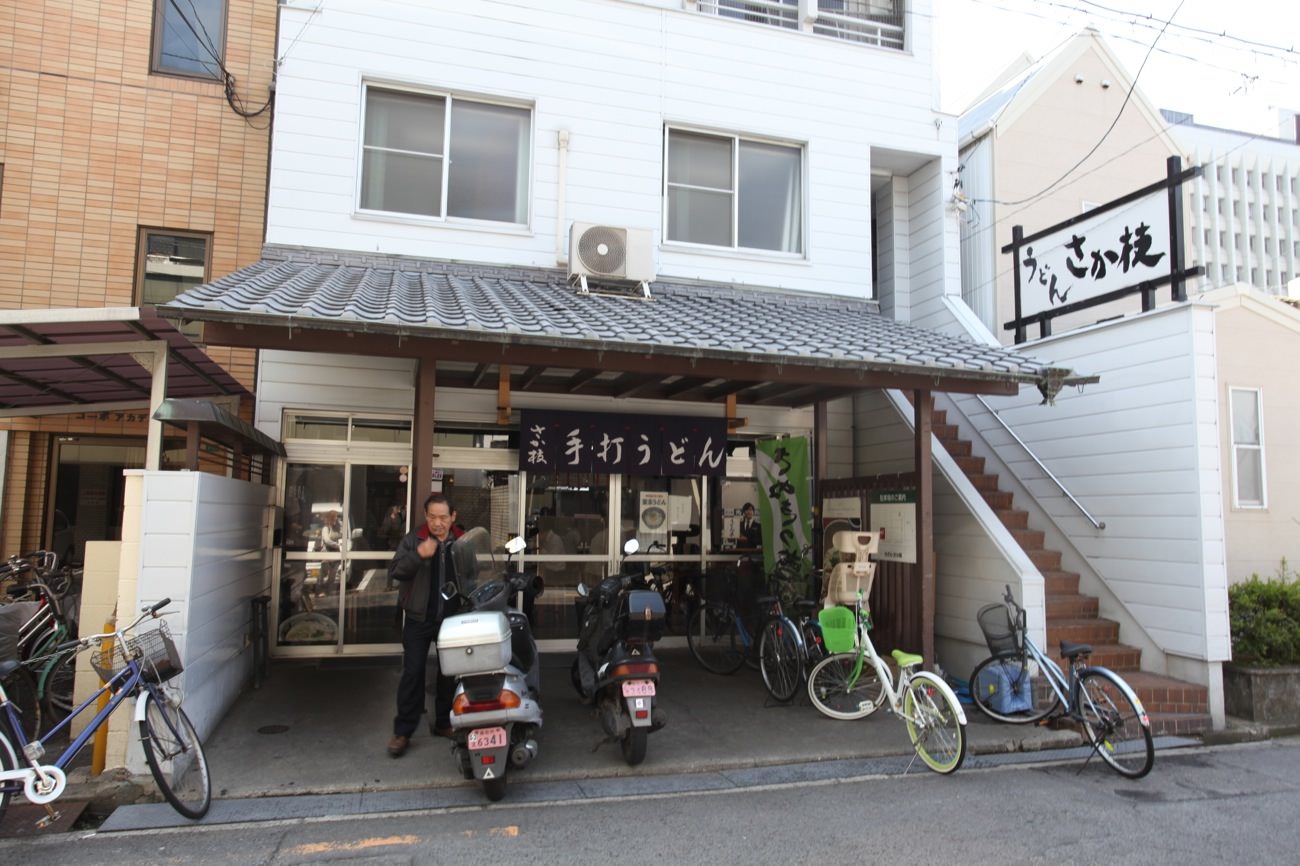
On the second day of the Setouchi Triennale, I went to Naoshima. For a late breakfast-lunch, I went to Sakaeda. According to the Udon University student, going to Sakaeda in the morning is called “asa-eda” (a pun on “morning” and “Sakaeda”). lol
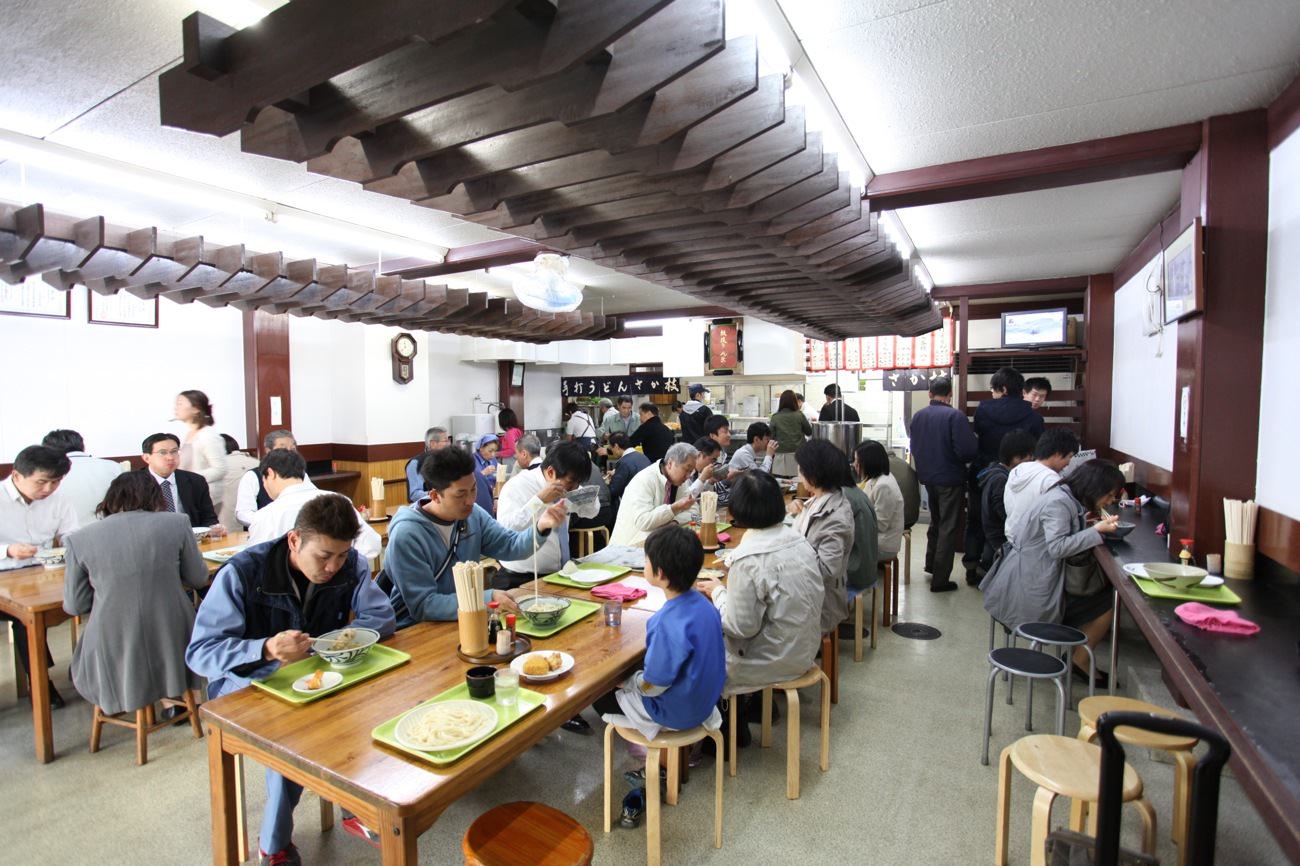
Even at 11 a.m., the place was full of people.
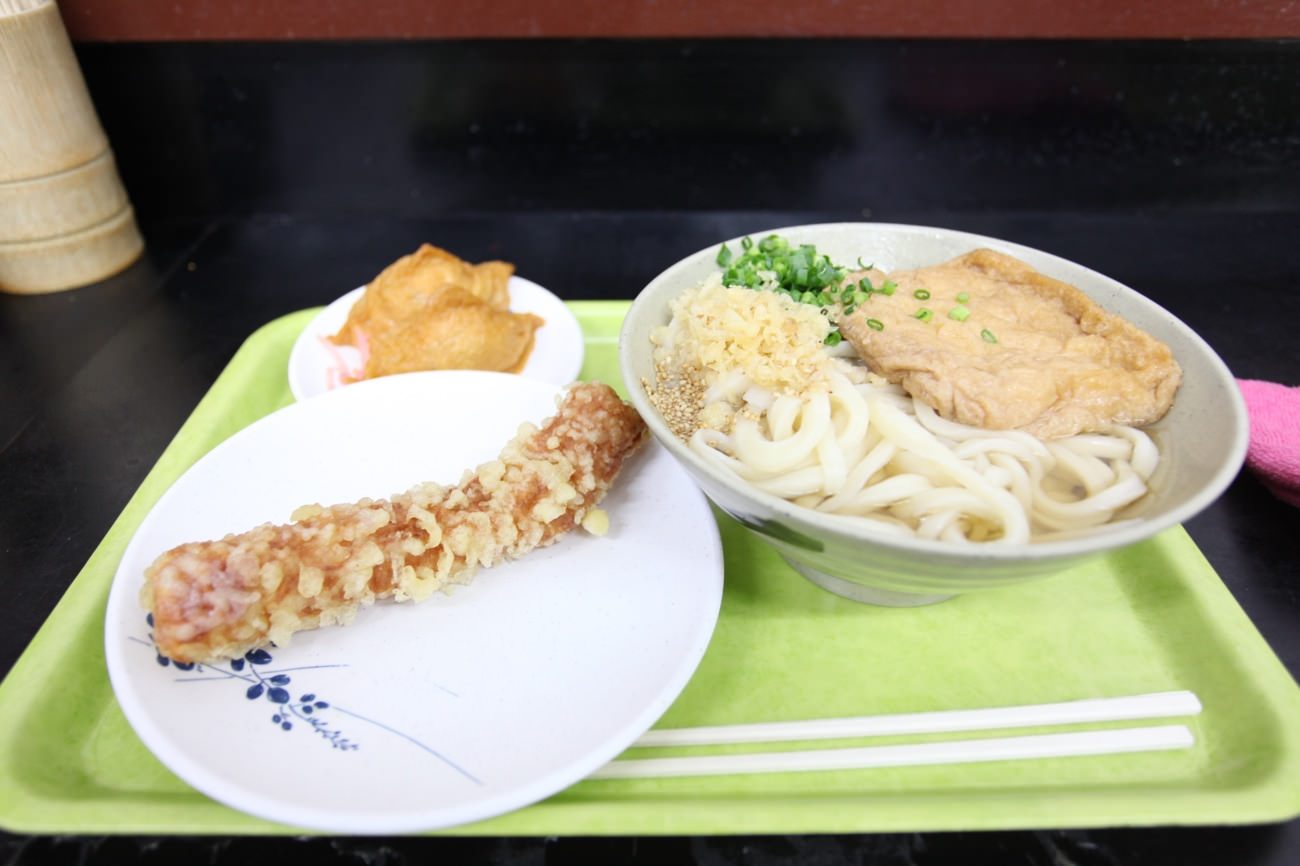
It was as delicious as ever. Next time I’ll go with the kamatama.
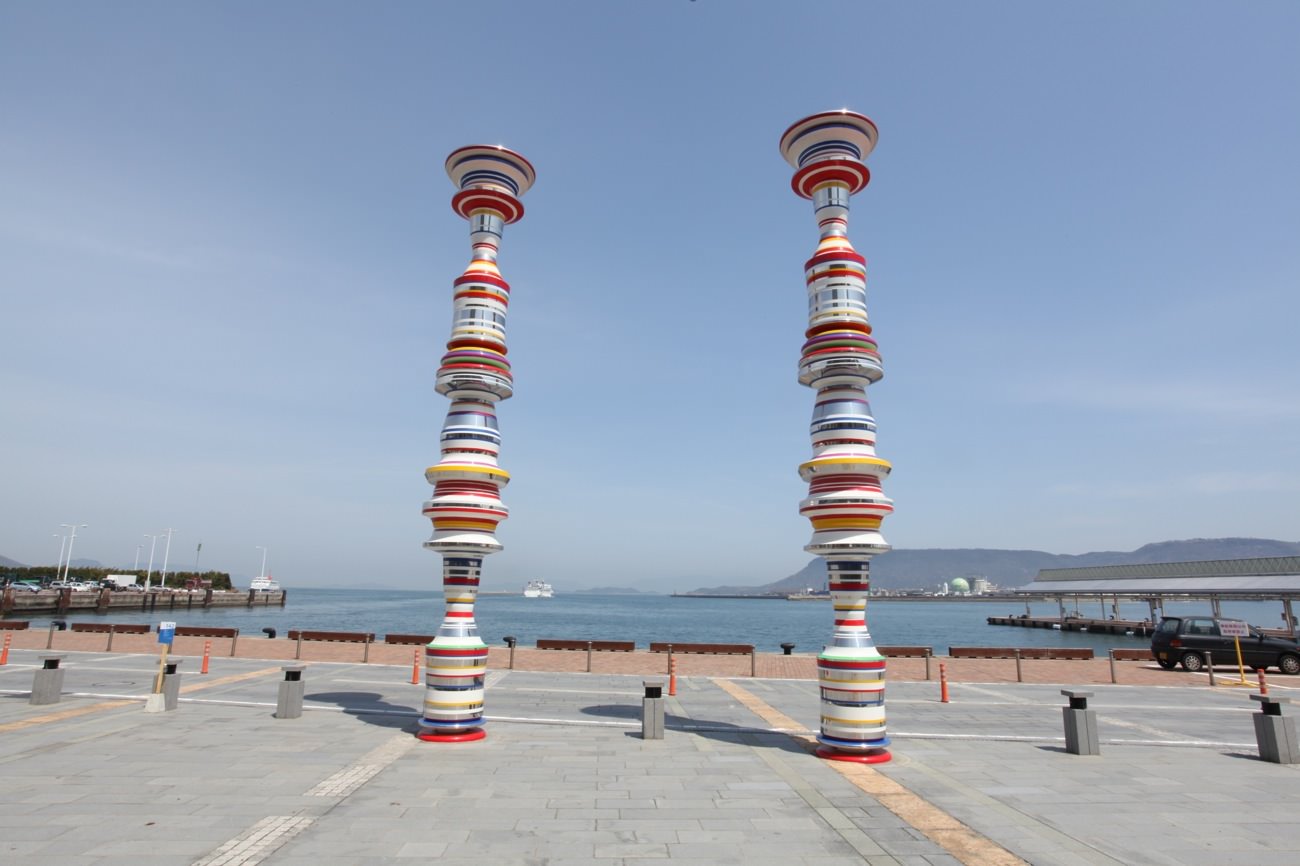
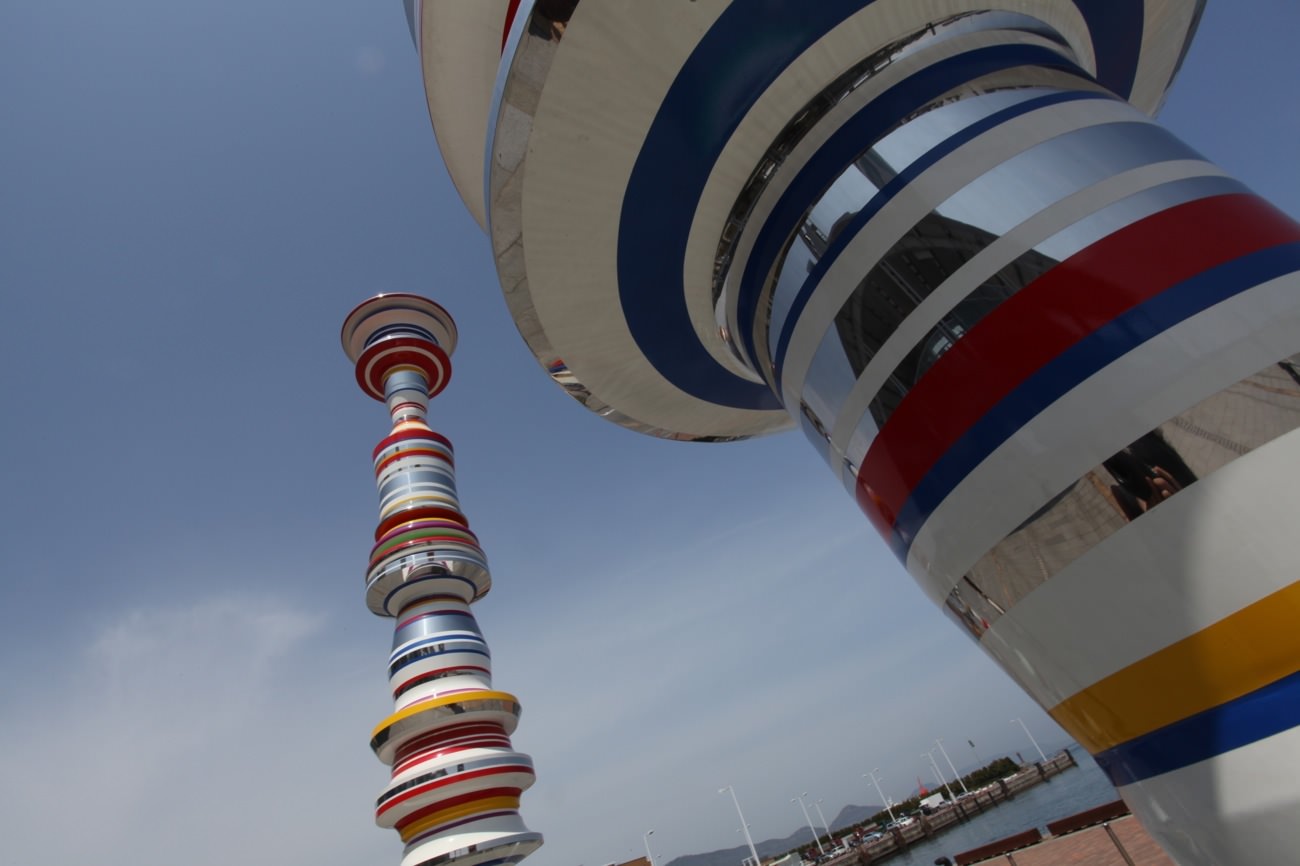
Today I toured Naoshima with Takachi-san, who happened to contact me on Twitter. She is traveling around Japan visiting hot springs and public baths, and posts about it on Onsen JAPAN.
I thought it sounded like a pretty tough trip, but she told me all sorts of stories, even ones I can’t write about here. What impressed me most was that she can tell whether e-mobile will connect just from the feel of a town. What kind of special power is that? lol
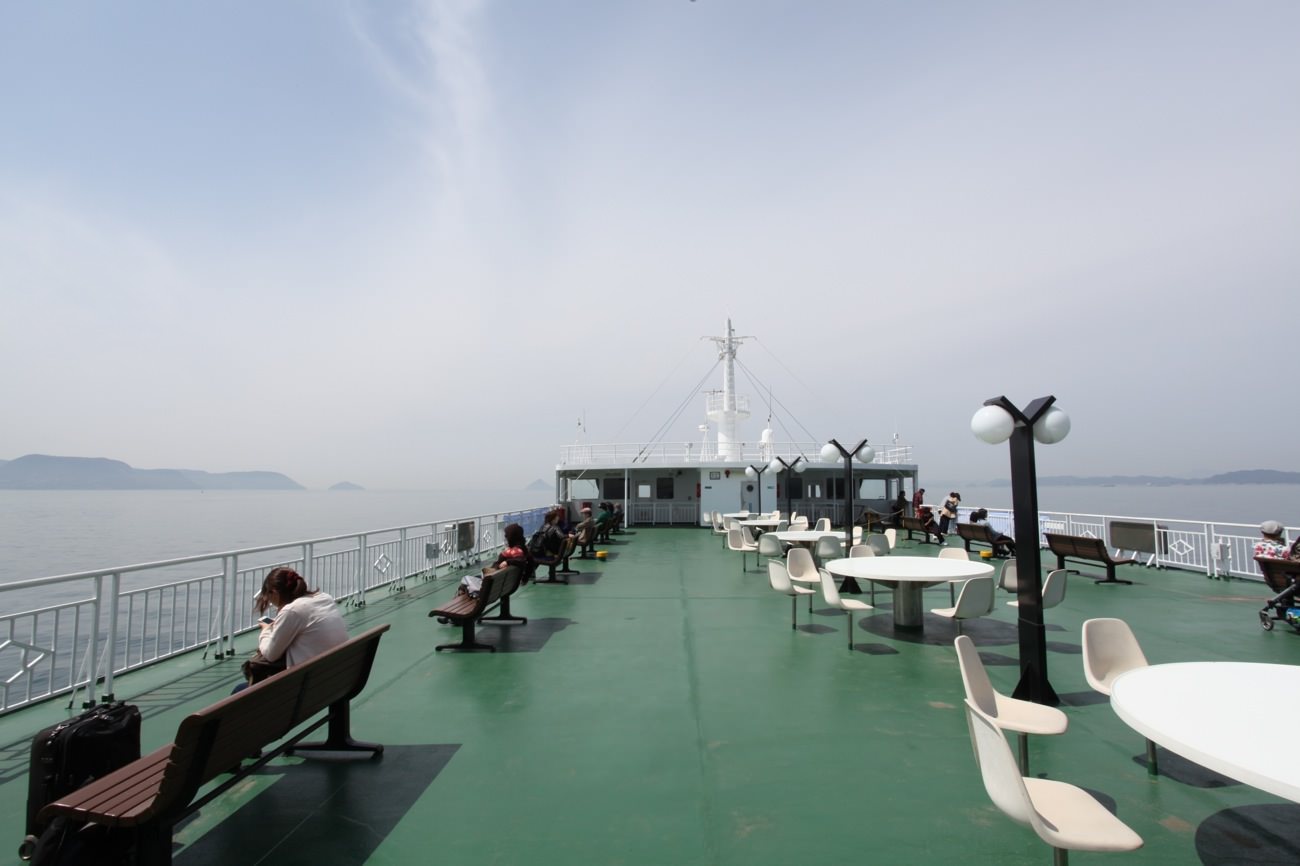
It was quite hot that day, and the breeze on the boat felt great.
After a 30-to-40-minute ride, we reached Naoshima.
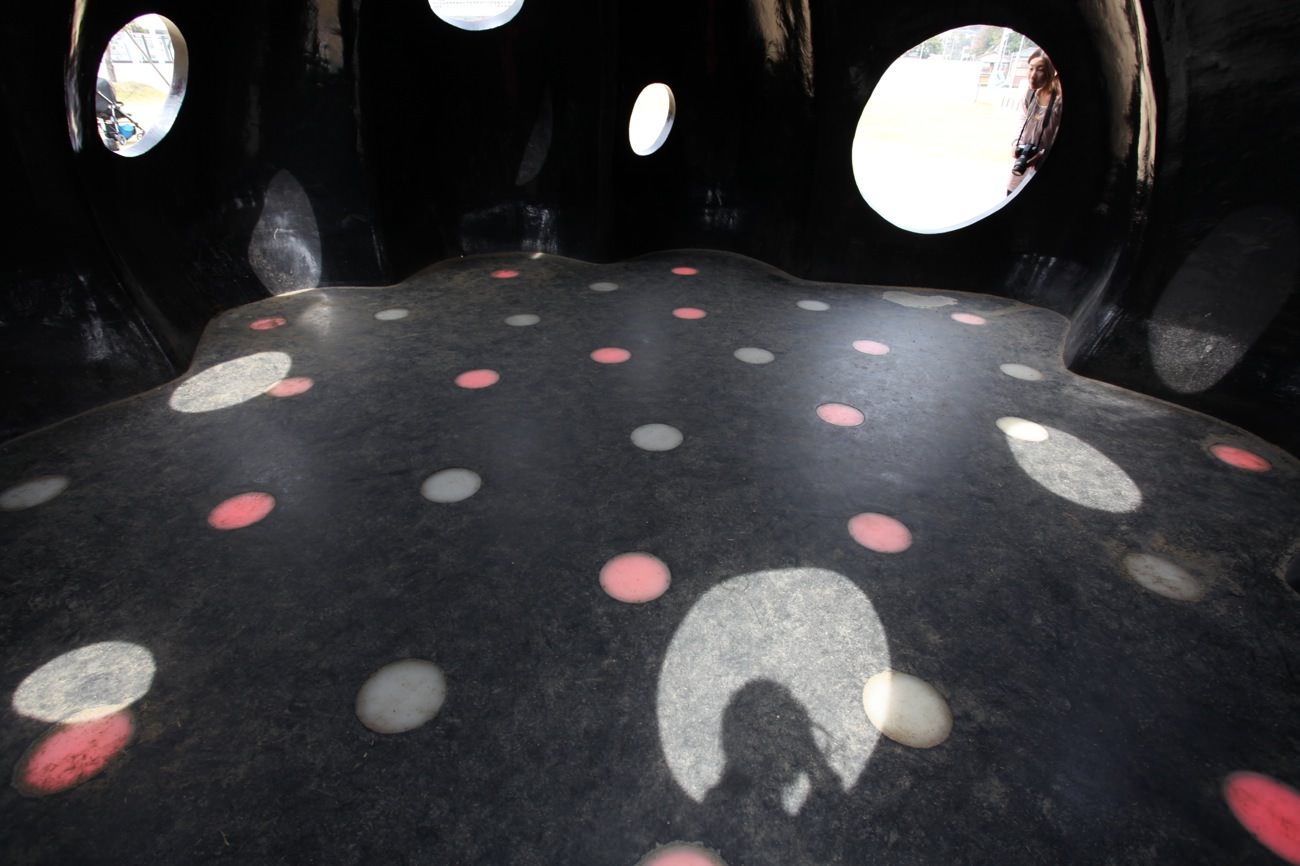
Inside the red pumpkin. A camera girl at the upper right. It’s fun to travel with someone who loves cameras.
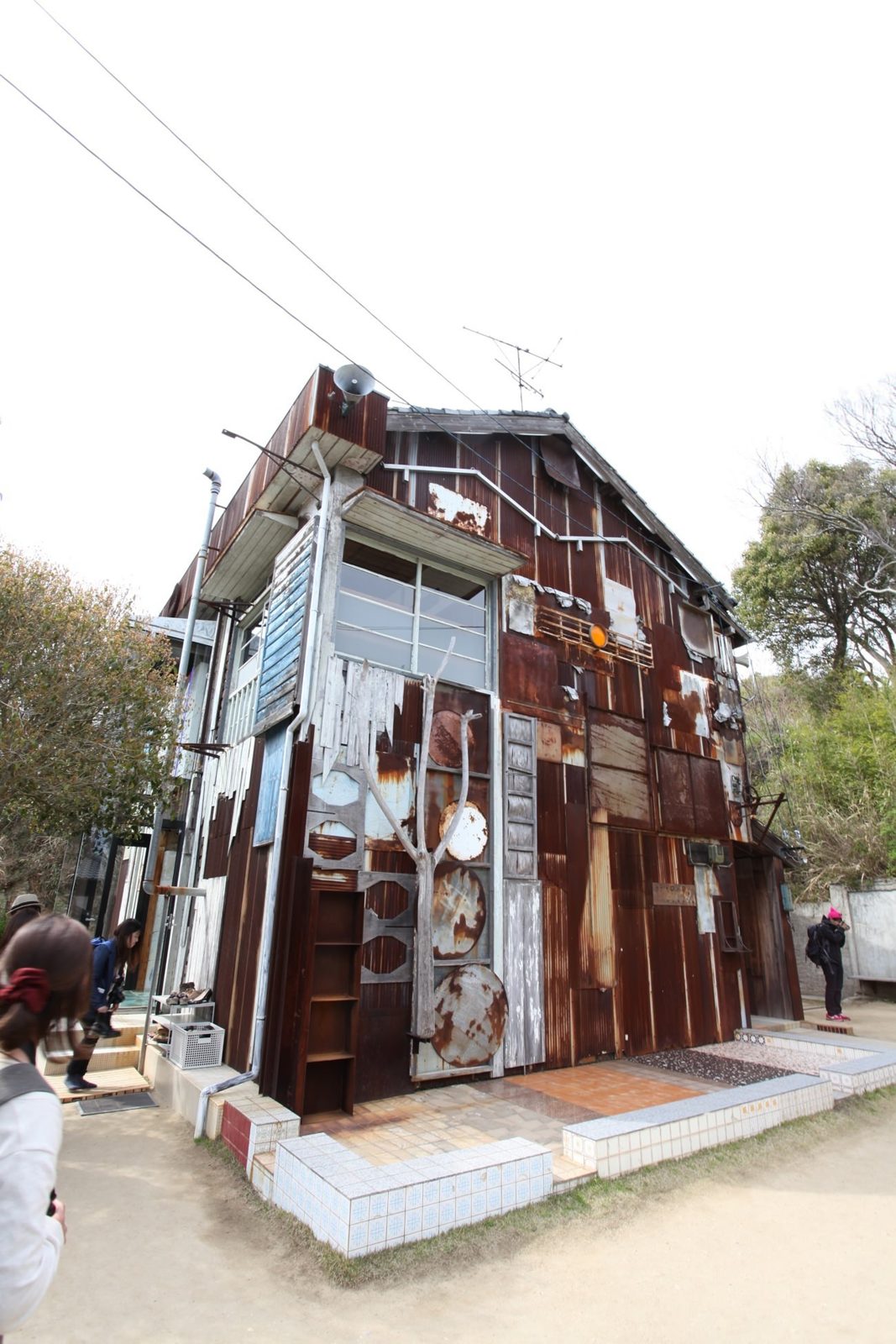
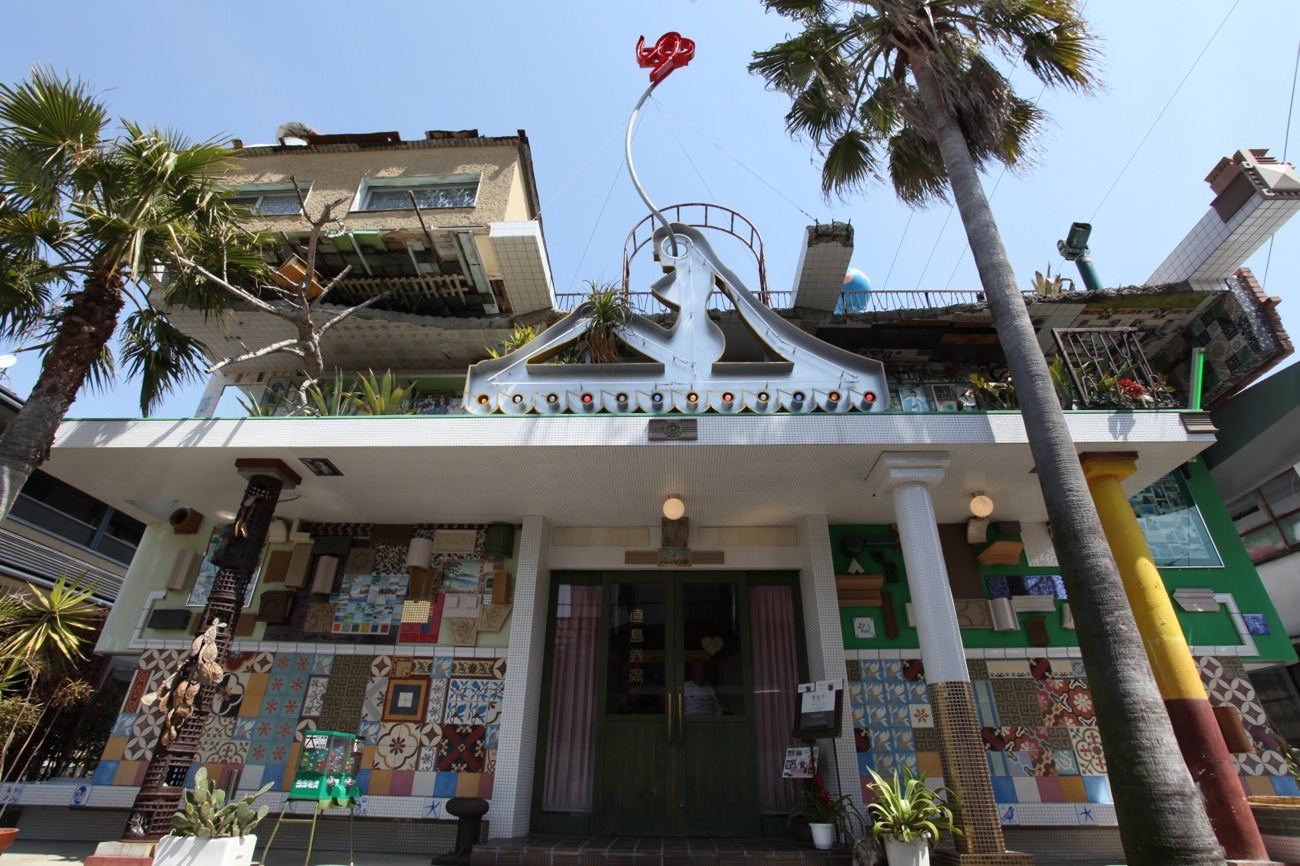
The Art House Project “Haisha.”
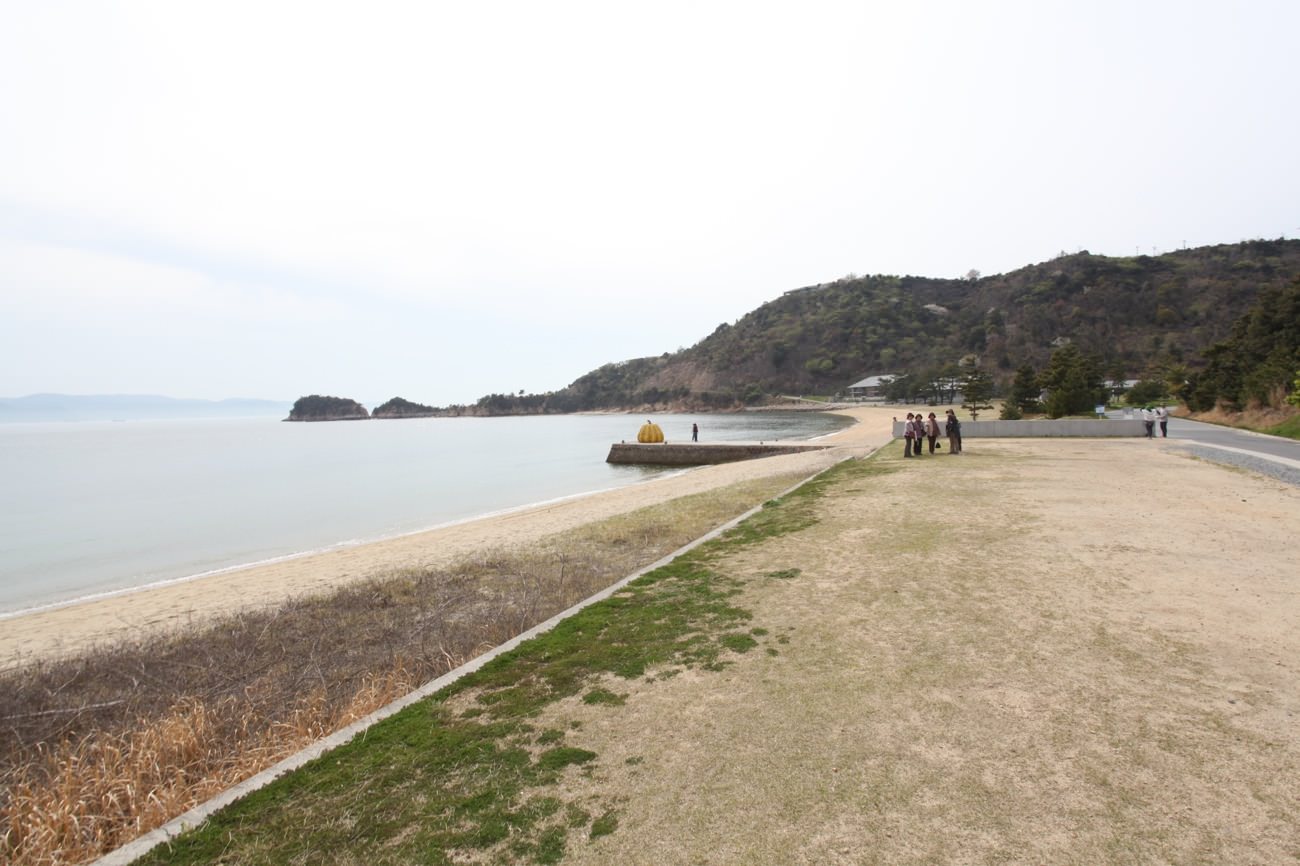
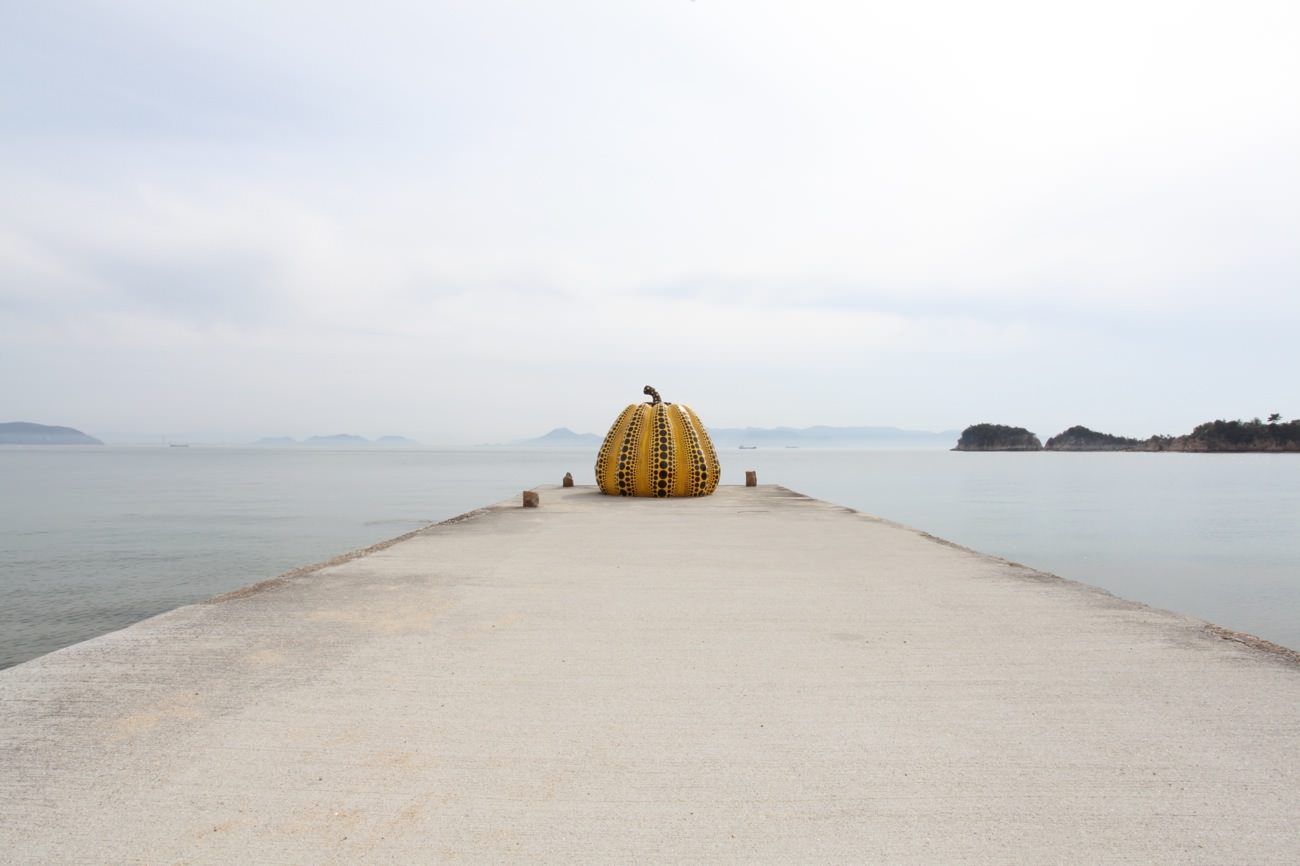
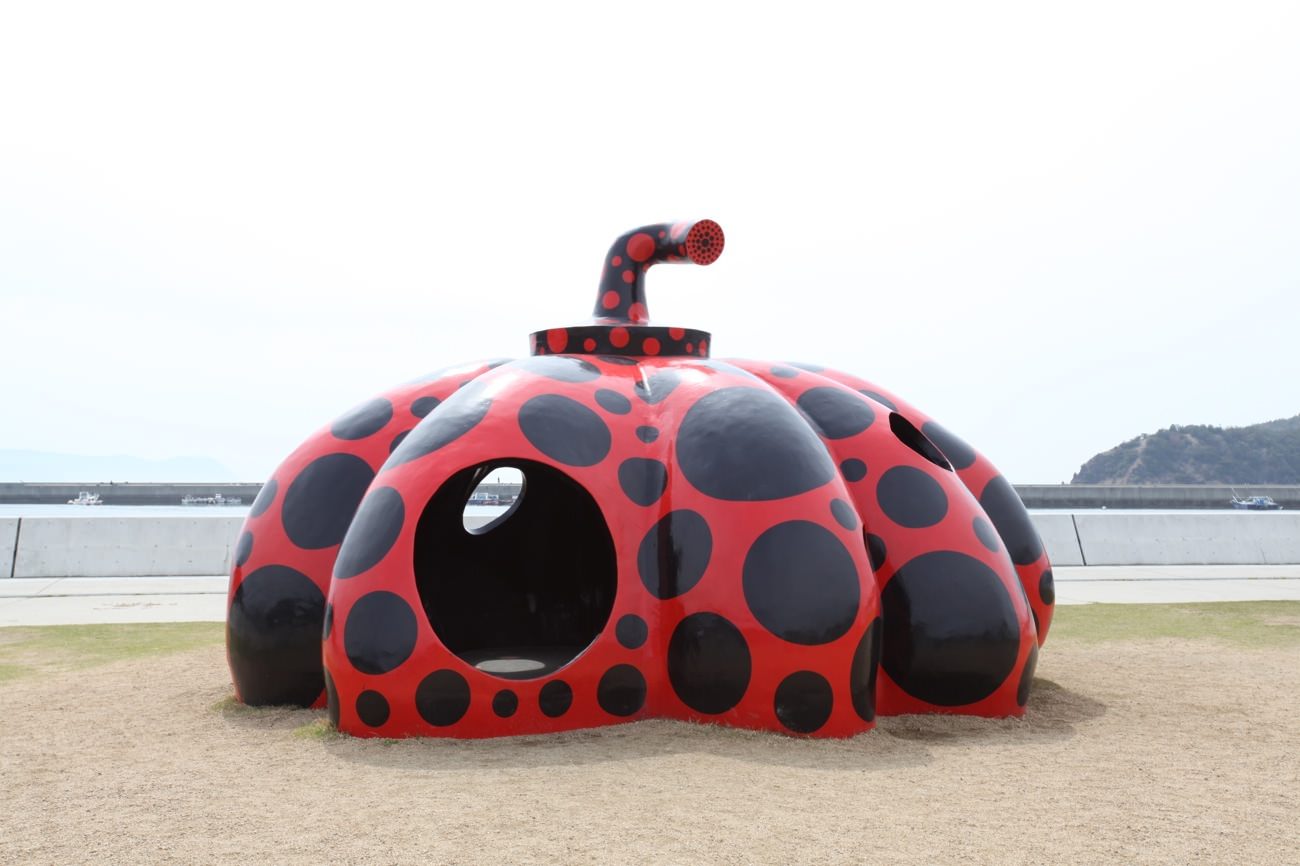
Once again, I was drawn to the yellow pumpkin. Morning or night, sunny or rainy, it sits there solidly. And all year round. What is it about this thing that’s so appealing?
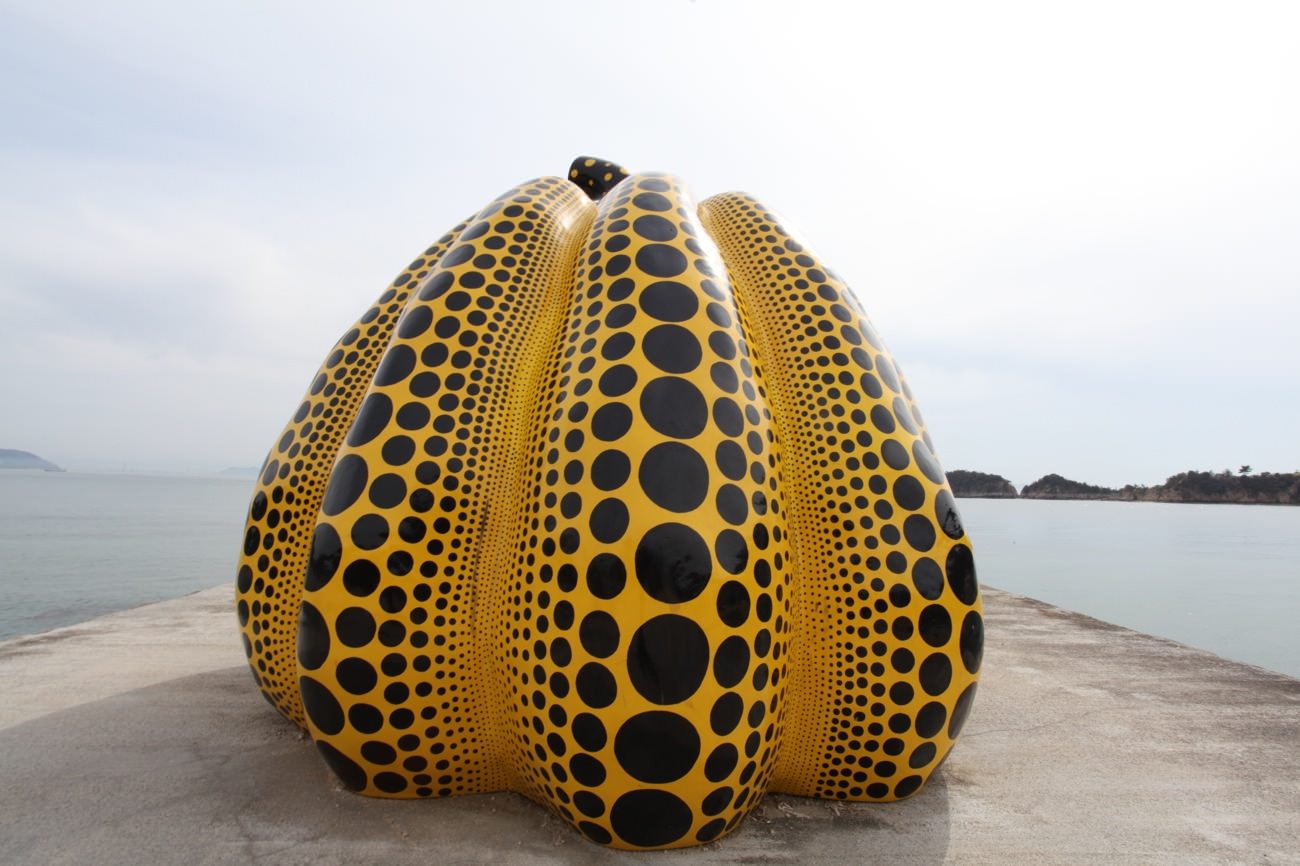
So brazen. According to the Udon University student, it sometimes gets swept away when a typhoon comes. I don’t know if it’s true, but I grin when I imagine people desperately putting this pumpkin back. lol
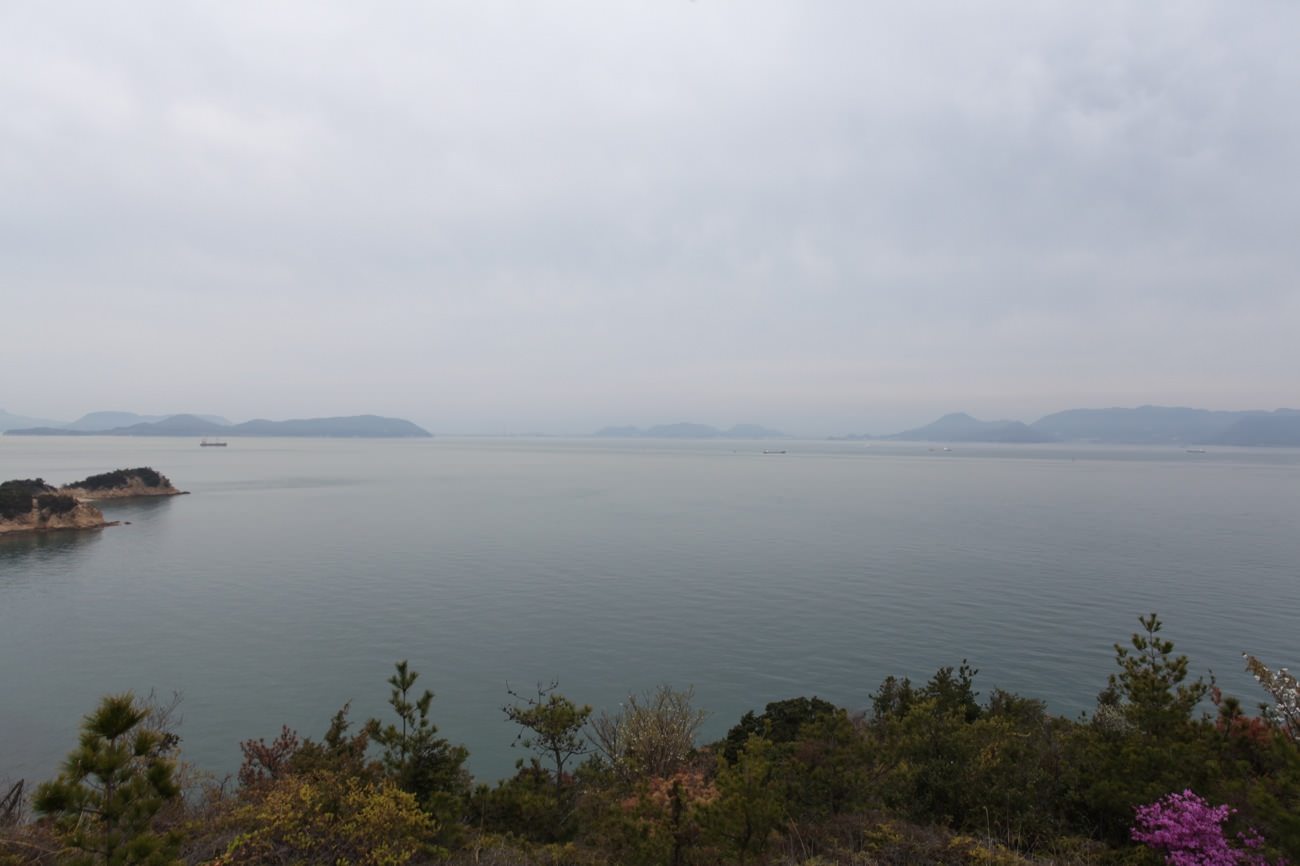
This time I skipped the Benesse Museum and headed for the Chichu Art Museum. The uphill was pretty tough, and both of us ended up pushing our bikes up. On Naoshima, taking the bus might actually be more fun. lol
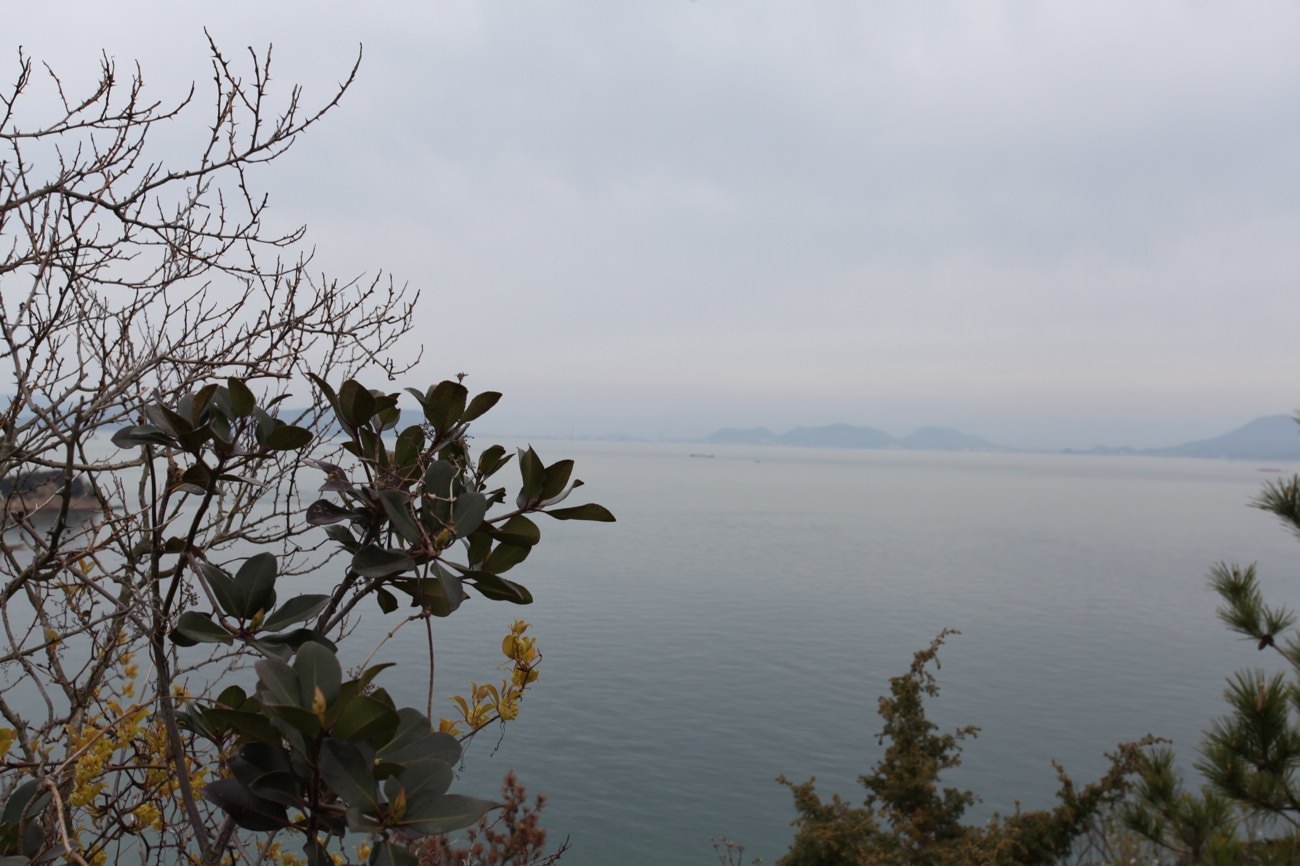
The view from above. The more you move, the more the island’s appearance changes.
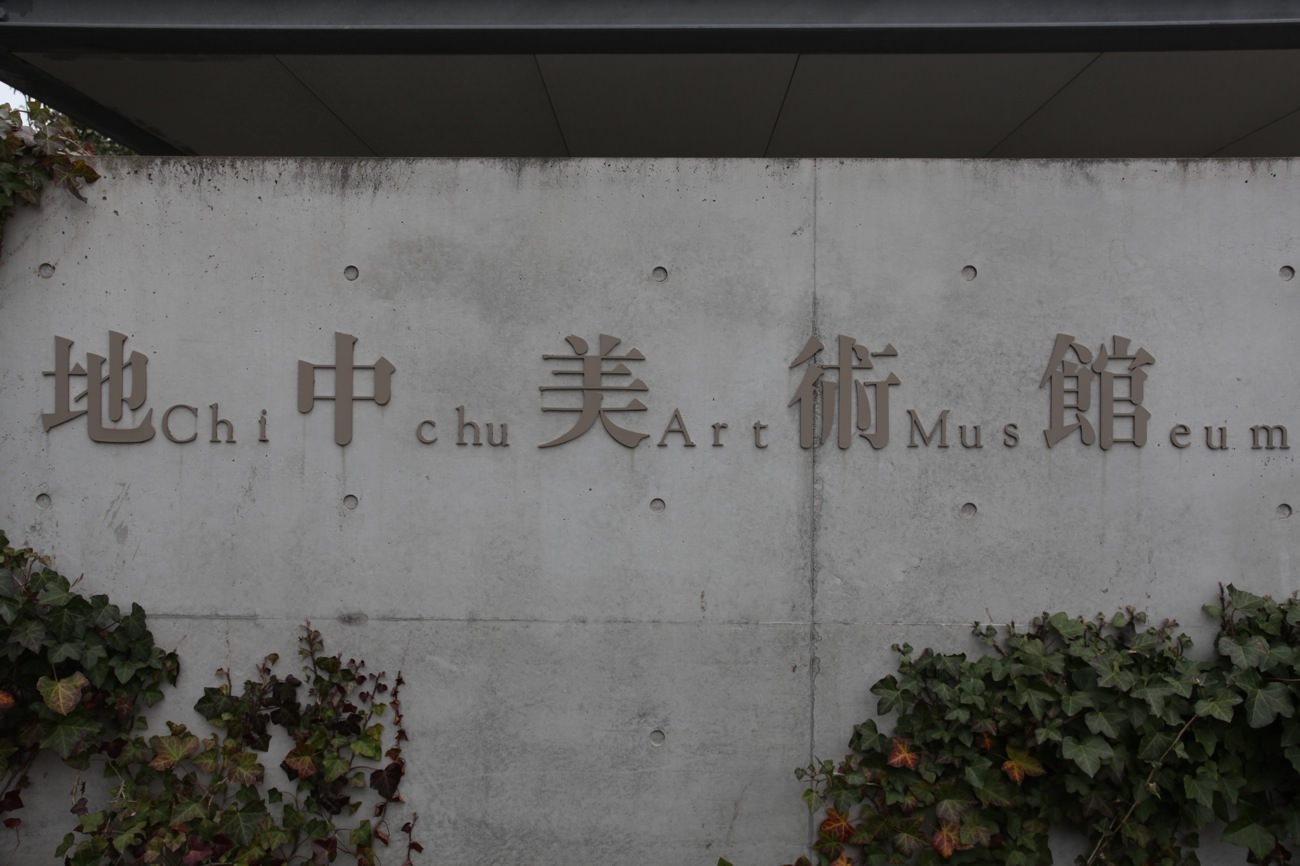
At last, the Chichu Art Museum I’d longed to visit. The building is by Tadao Ando, and you can see works by Turrell, Claude Monet, and Walter De Maria. You make your way through a maze-like space, wondering what will come next, what’s waiting. Every work was wonderful, but the gravity of that room with the Claude Monet pieces was especially overwhelming. I almost cried.
The Chichu Art Museum draws out, to the fullest, the senses we don’t normally use. The air changes completely from room to room. It was by far the most wonderful of all the museums I’ve been to. It’s a pity I couldn’t take photos, but maybe that’s fine too. It’s a place I’d love many people to visit.
Next time: Naoshima, Part 2!
I’m adding to this little by little.