November 2014
The World We Want to Build with the Inbound Media "MATCHA": On Philosophy and Passion
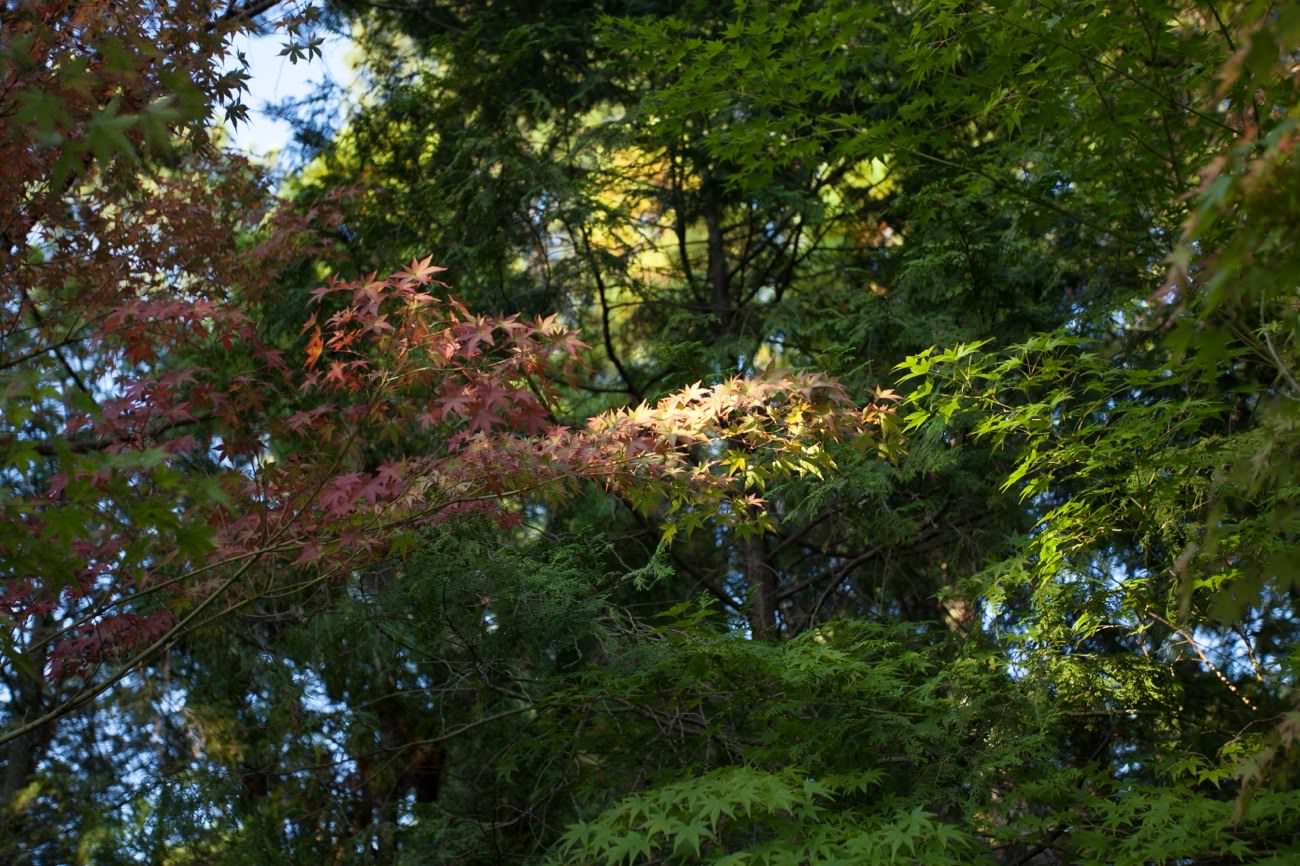
Autumn leaves are about to arrive in Tokyo.
It has been nine months since I started MATCHA. Six months and three more. Three months from now, it will be a full year.
So many things happened in these nine months, far more than I imagined. I can say with certainty that even if I started from zero today, it would not turn out the same. I think I’ve written something similar before, but this time I want to write about the world we want to build with MATCHA, and about the media’s philosophy and passion.
MATCHA’s Philosophy
MATCHA’s philosophy is “to preserve Japan’s valuable culture along with the times.” I love Japan, and I truly want to do something so that Japan’s wonderful culture lives on because MATCHA exists.
The definition of “valuable” is not what is generally considered good; it is whatever the individual who wants to share it believes is valuable. There is no right or wrong answer.
Some people write about Lolita fashion, others about bonsai or monk bars. It can be vegetarian food, Nakano Broadway, idols, or ramen. All that matters is that each person truly wants to share it.
What I ask of our writers is: “Do you really want to introduce this place?” If they can deliver that feeling in a way that truly comes across, that is enough. And I hope that people actually move because they read it, and that something is born that wouldn’t have existed without MATCHA.
On Passion
Passion often comes up in conversation at MATCHA. Passion means the genuine desire to share something. A common example I give: MATCHA has not covered Kiyomizu-dera.
There are probably plenty of people who could write about Kiyomizu-dera. It is a topic an inbound media should cover. But we want to ask people who can say, “I could talk about Kiyomizu-dera for an hour, two hours, even ten hours.”
Between recycled text from a guidebook and text full of passion, I think the latter is more interesting. And I think the latter is what moves people.
And when people do move, which is more enjoyable for the reader: going to Kiyomizu-dera because it was hyped as the “No. 1 Spot in Kyoto,” or going because they were moved by one person’s passion? I think it’s the latter.
It’s the same offline.
The other day, a friend of mine who is also a MATCHA writer and absolutely loves ramen (he eats over 500 to 600 bowls a year) took me to a ramen shop. Thanks to him, I looked forward to eating ramen many times more than usual, and I actually enjoyed it more than usual. I think that’s because my friend loves ramen so much he can’t help it, and he conveyed that with everything he had.
When you enjoy something more than usual, you tell others about it. And the people who hear those words go on to move as well. I’m wondering whether we can create that kind of chain, from Japan to the world.
And I want to make MATCHA the starting point of that chain, the spark for each person’s experience. I want people to say it was MATCHA, it was one writer’s passion, it was a translator’s thoughtfulness.
About the Future
Right now, MATCHA mainly covers Tokyo, Kyoto, and Osaka. Going forward, we will expand to all 47 prefectures. I want each and every region to be covered with the passion of our writers.
It is said that 20 million foreign tourists will visit Japan in 2020. We are not running this media for the Olympics, but I see it as one milestone.
Our goal is for half of those 20 million, 10 million people, to view MATCHA. With MATCHA, I want to create new flows of people all across Japan.
Some visitor from abroad might see MATCHA and fly from Tokyo to a udon shop in Kagawa. Someone else might go to take a sand bath deep in the countryside of Kagoshima.
And through MATCHA, I want to raise the value of each person’s experience and make them love Japan even more. That is what I want to make happen.