November 2017
A Senior in the Inbound Industry: Visiting Free Plus's Osaka Headquarters
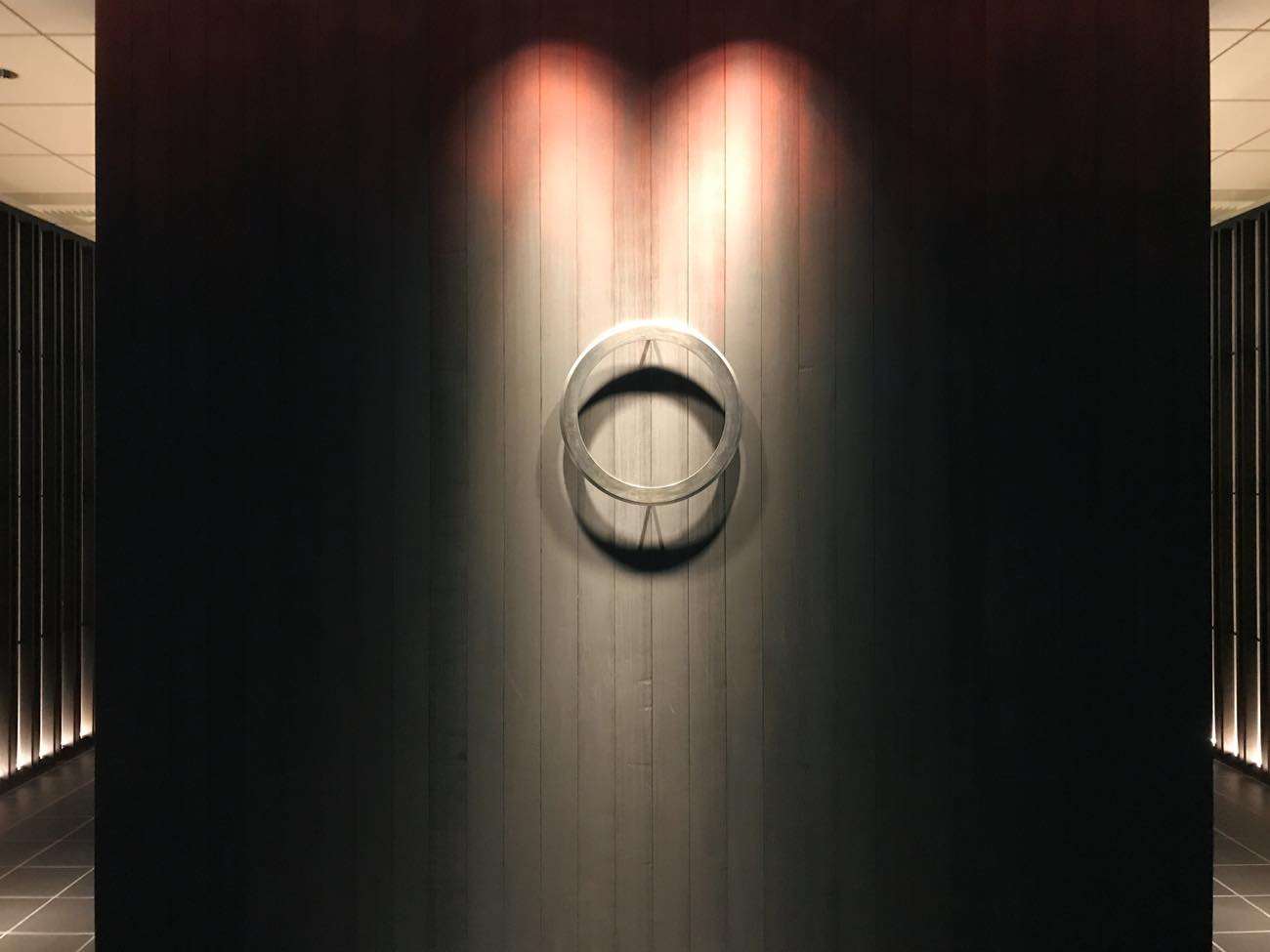
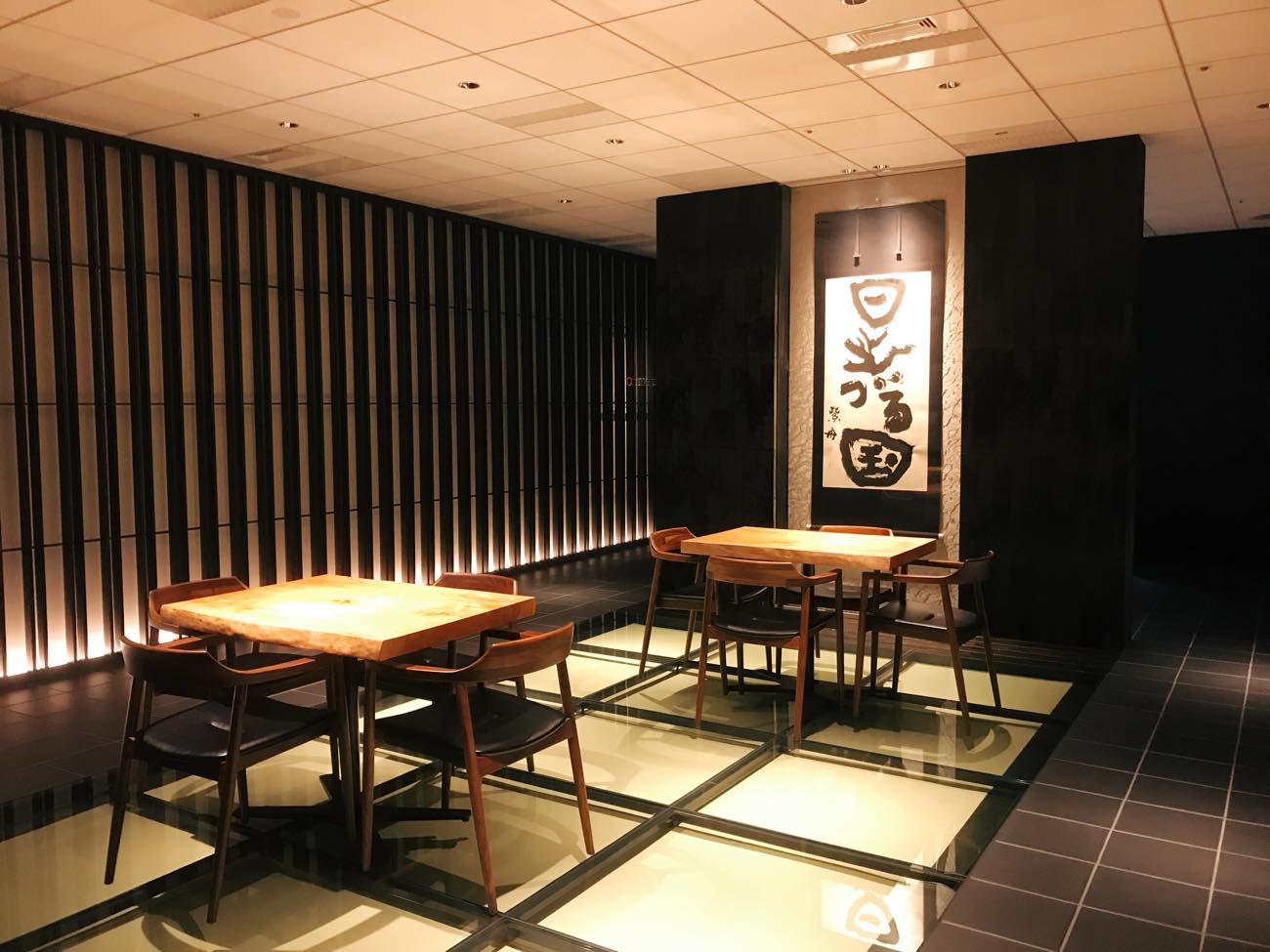
I went to visit Free Plus in Osaka.
Free Plus is a land operator for visitors to Japan. There is no one in the inbound industry who doesn’t know them.
The other day, when I was drinking in Asakusa with Mr. Suda, the president of Free Plus, we got to talking about letting me observe the company’s morning meeting and study session, and that is how this visit came about. This was my second time at the Free Plus office in Grand Front Osaka.
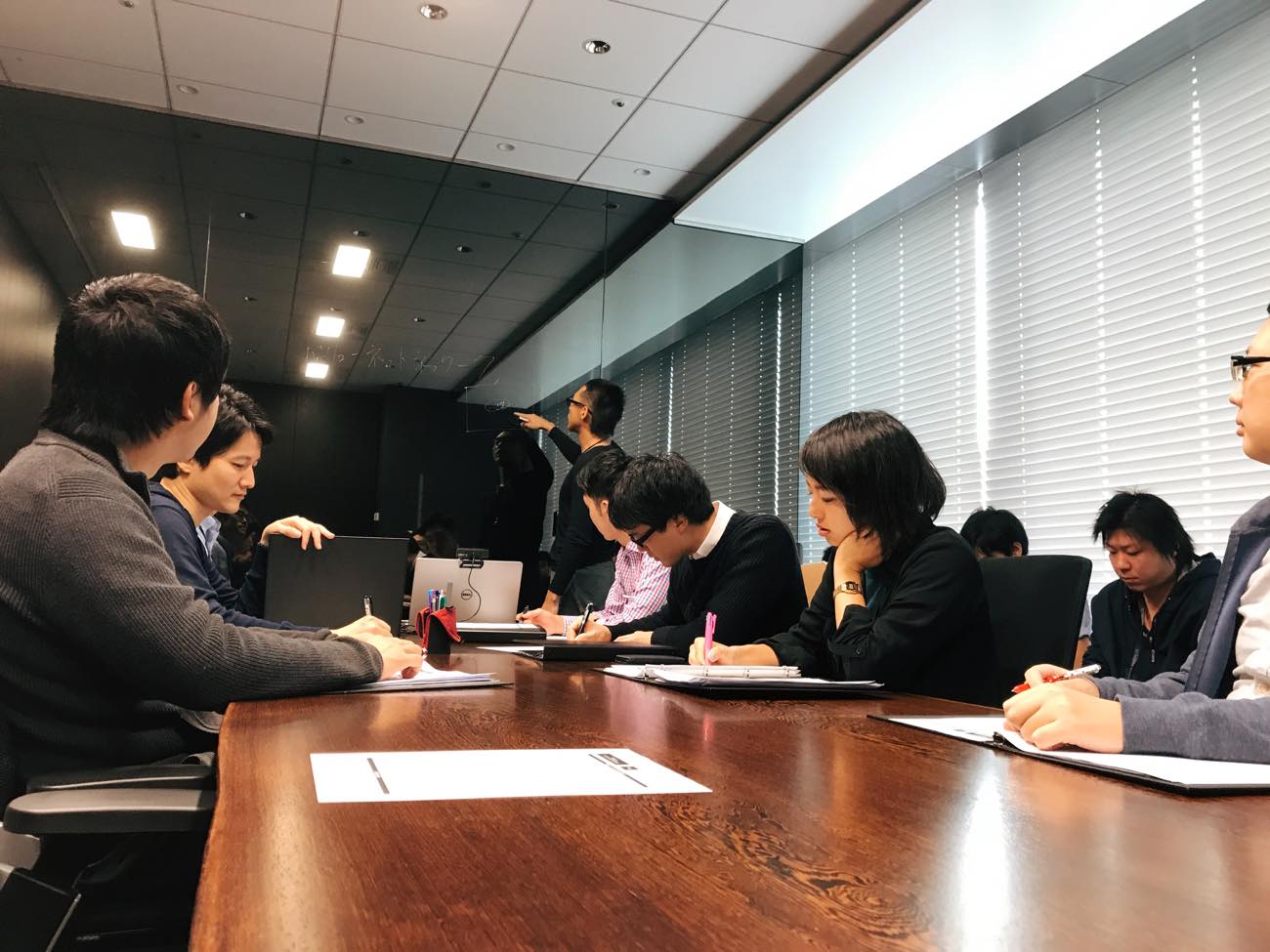
The study session. When Mr. Suda is in Osaka, it is held every morning from 8:30 to 9:00.
The study session is a place where Mr. Suda shares his interpretation of books useful for management. This time the books were “The Innovator’s Dilemma” and “Influence: The Psychology of Persuasion.”
I felt an internal study session is very meaningful for generating new insights and new actions.
This time’s input was about value networks and individual value. A value network is a network made up of existing customers, the company itself, suppliers, distributors and so on; it is, so to speak, a company’s living environment, or ecosystem.
A person who thrived in a previous organization will not necessarily thrive in a new one. Conversely, experience in a strong value network can get in the way of creating new innovation. Executives and managers always need to be aware of this. Making it a subsidiary is one option.
What is most impressive is that the session doesn’t end with input: by noon, everyone decides on an action based on that day’s session and commits to it. They do this every time. When I actually asked several managers, they said their mindset changed after this study session began.
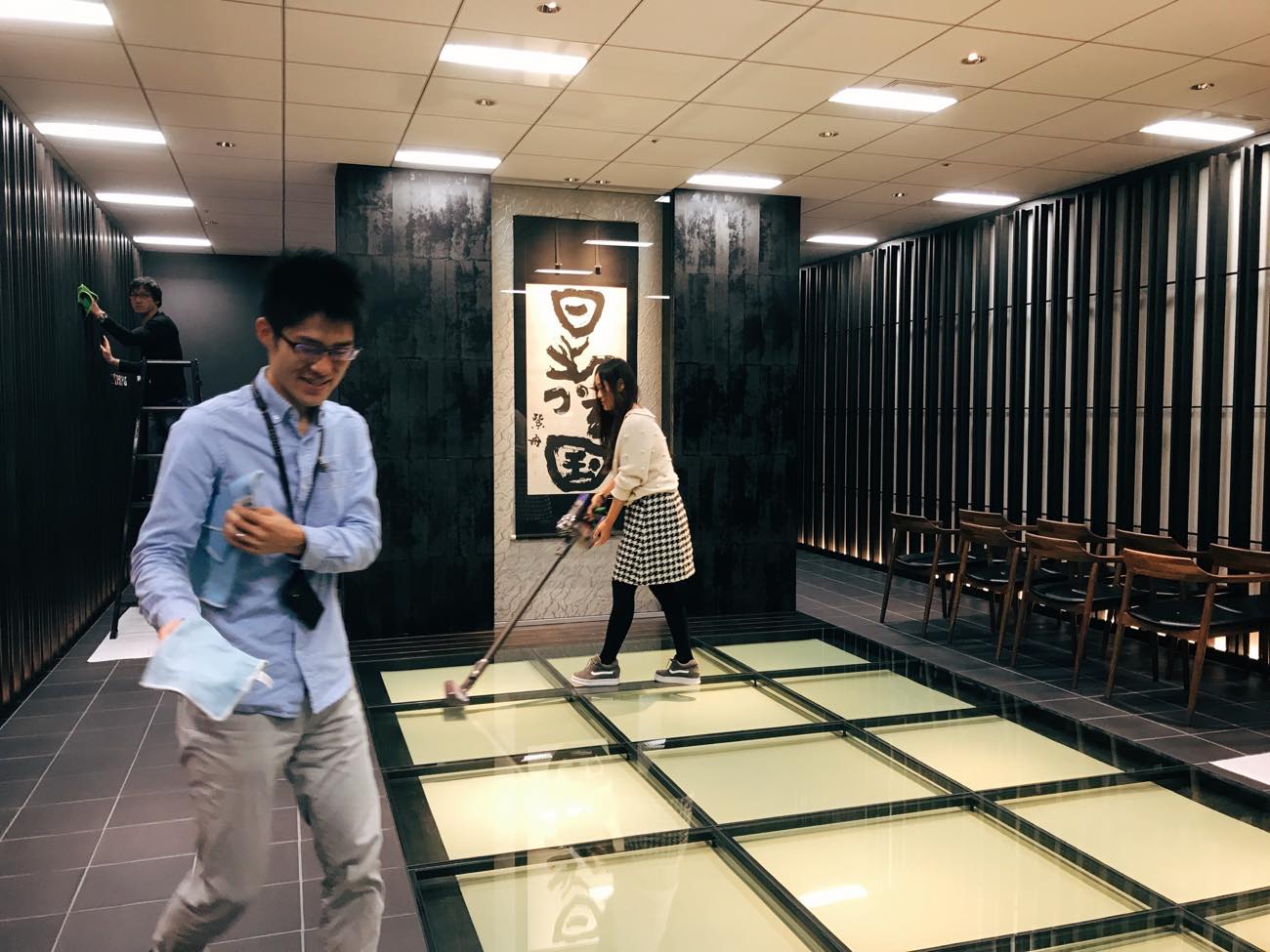
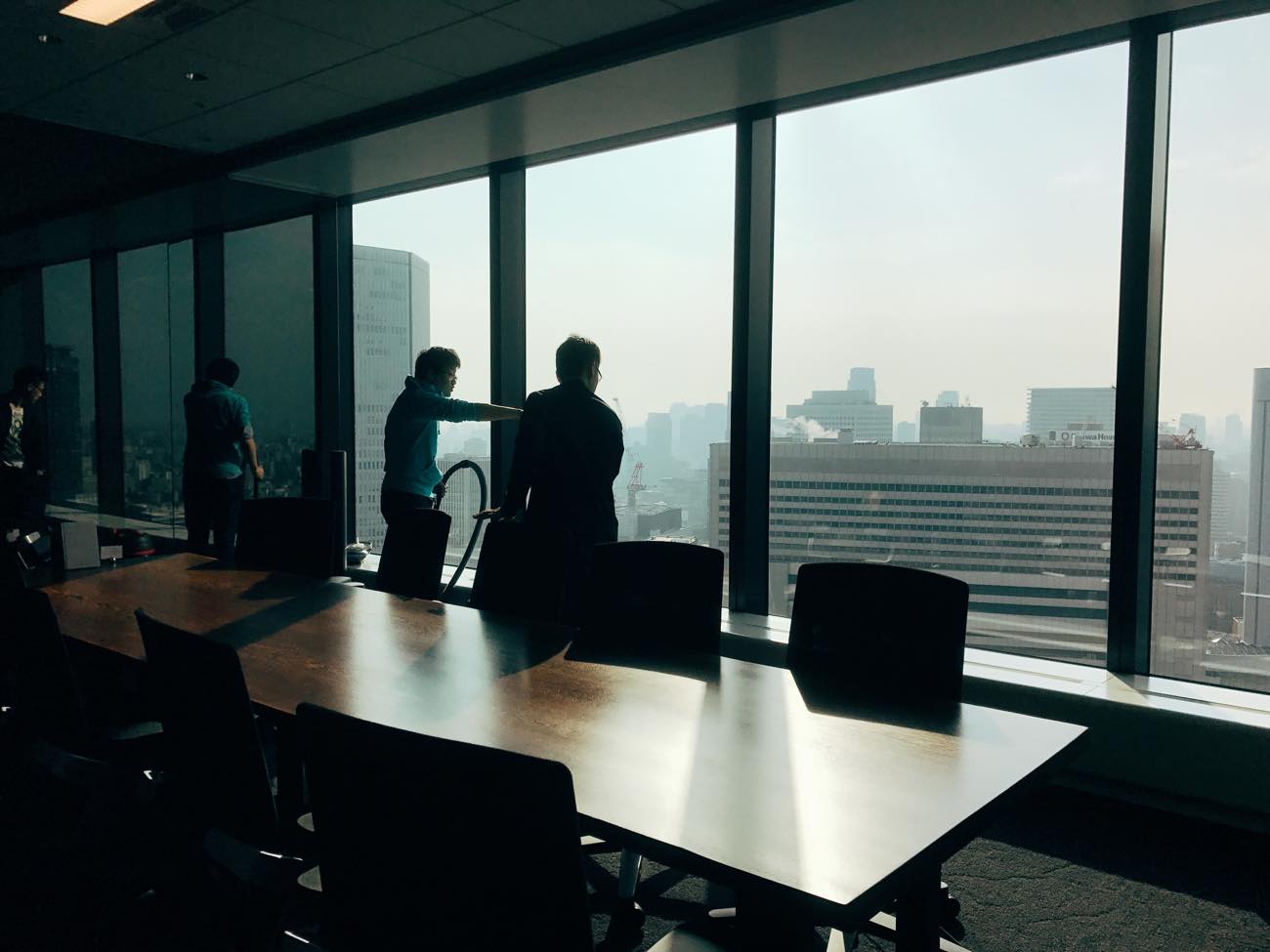
After that came 13 minutes of cleaning time. I was handed a rag too and wiped the walls. I wiped them carefully.
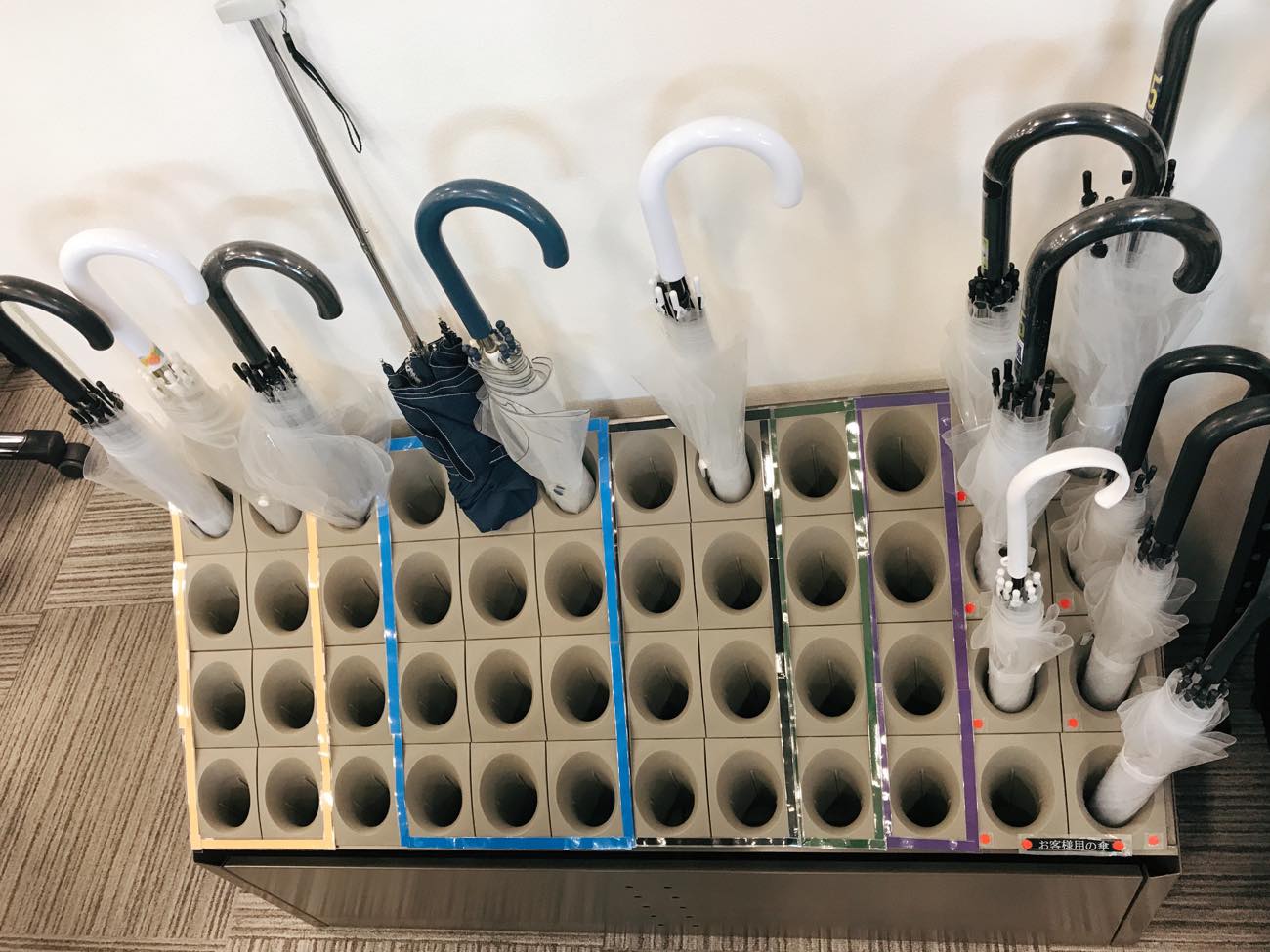
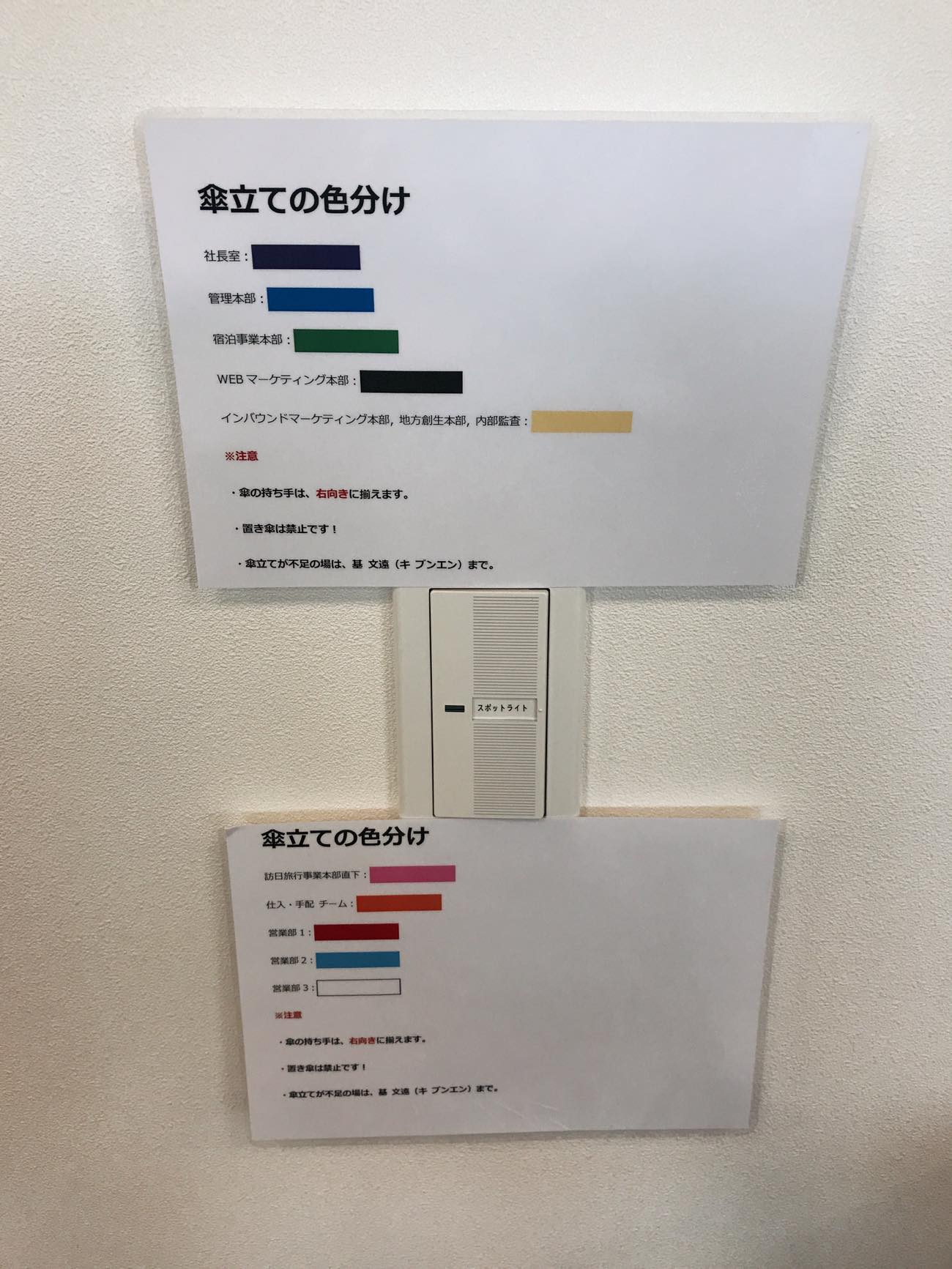
Just as Mr. Suda said, “Our company has solid discipline,” even where and in which direction umbrellas are placed is controlled. The number of whiteboard markers and their positions were thoroughly standardized as well.
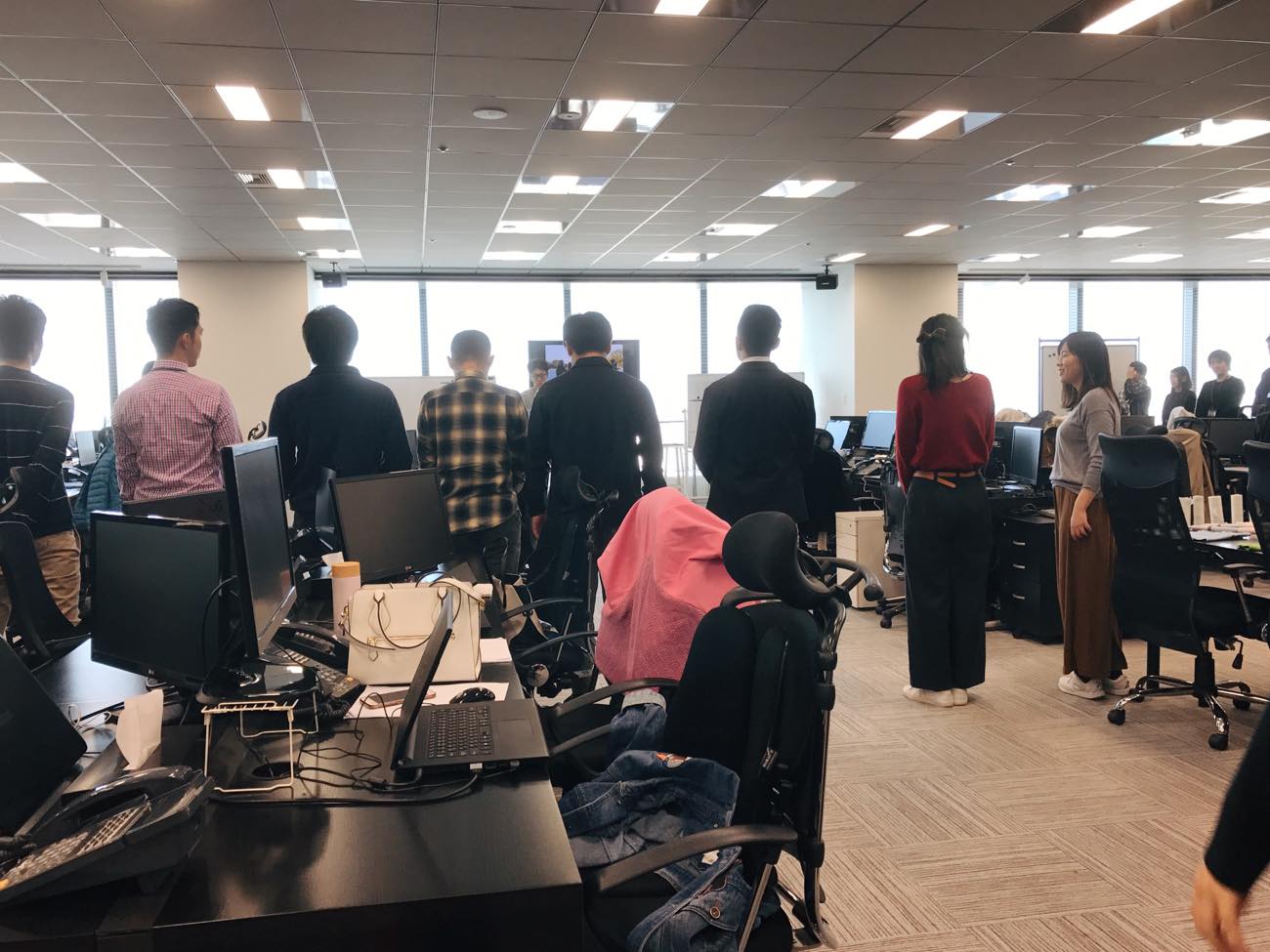
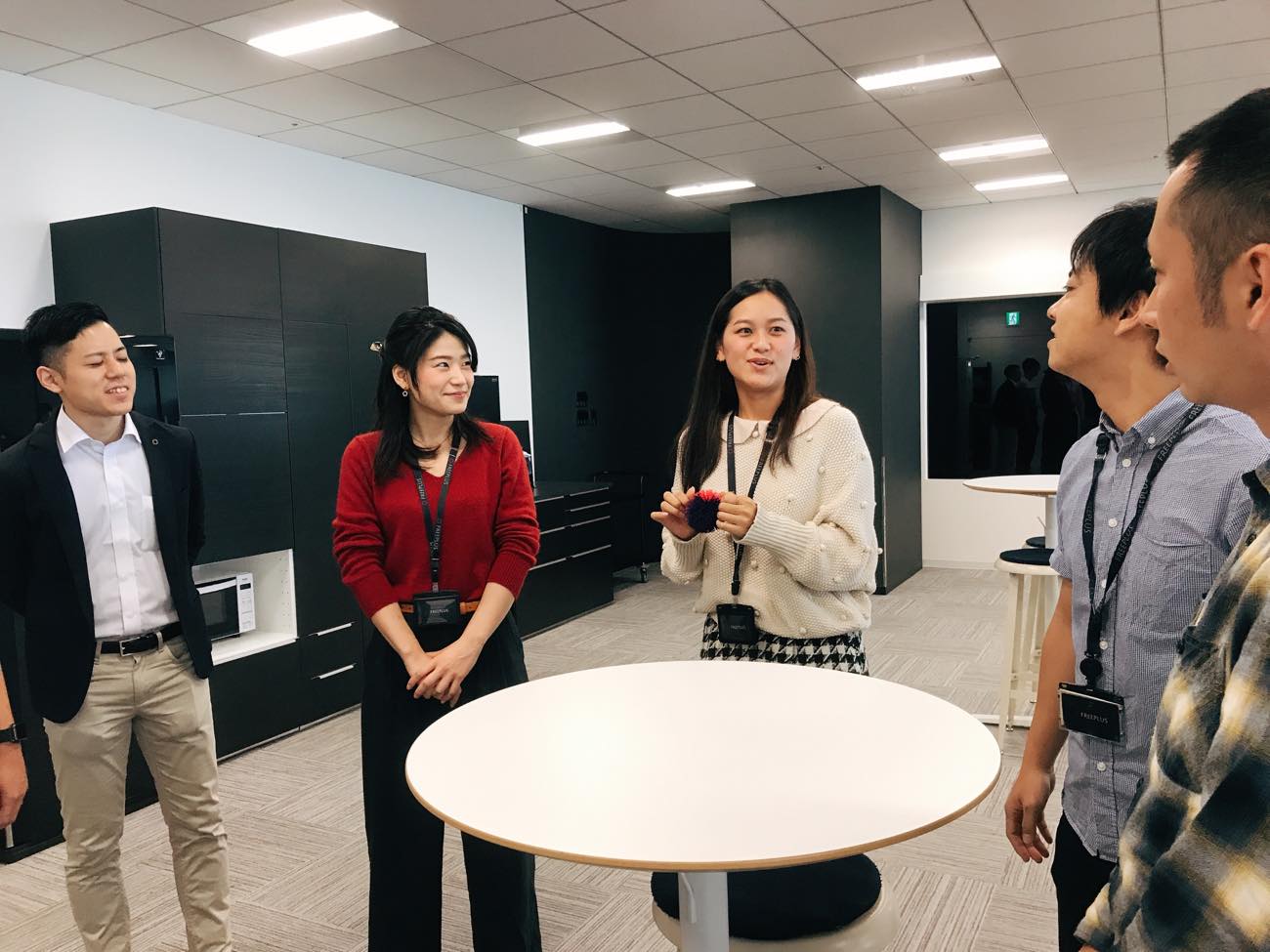
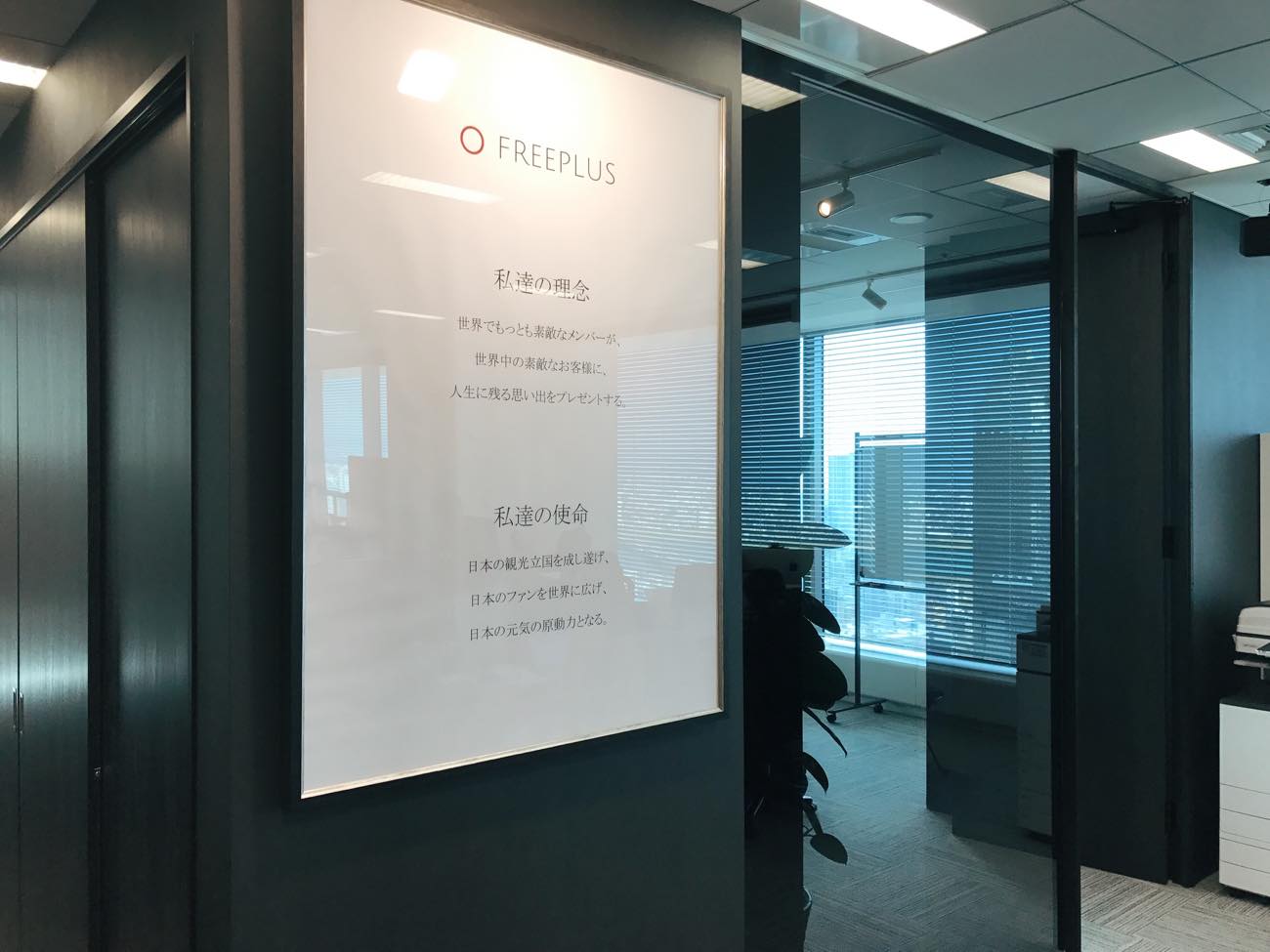
After cleaning comes the company-wide morning meeting. It begins with a recitation of the corporate philosophy, and one employee tells a good episode about another employee. After that, each department and team shares a “Good and New.” Apparently they used to talk about the day’s tasks, but recently they share what’s new that happened within the last 24 hours.
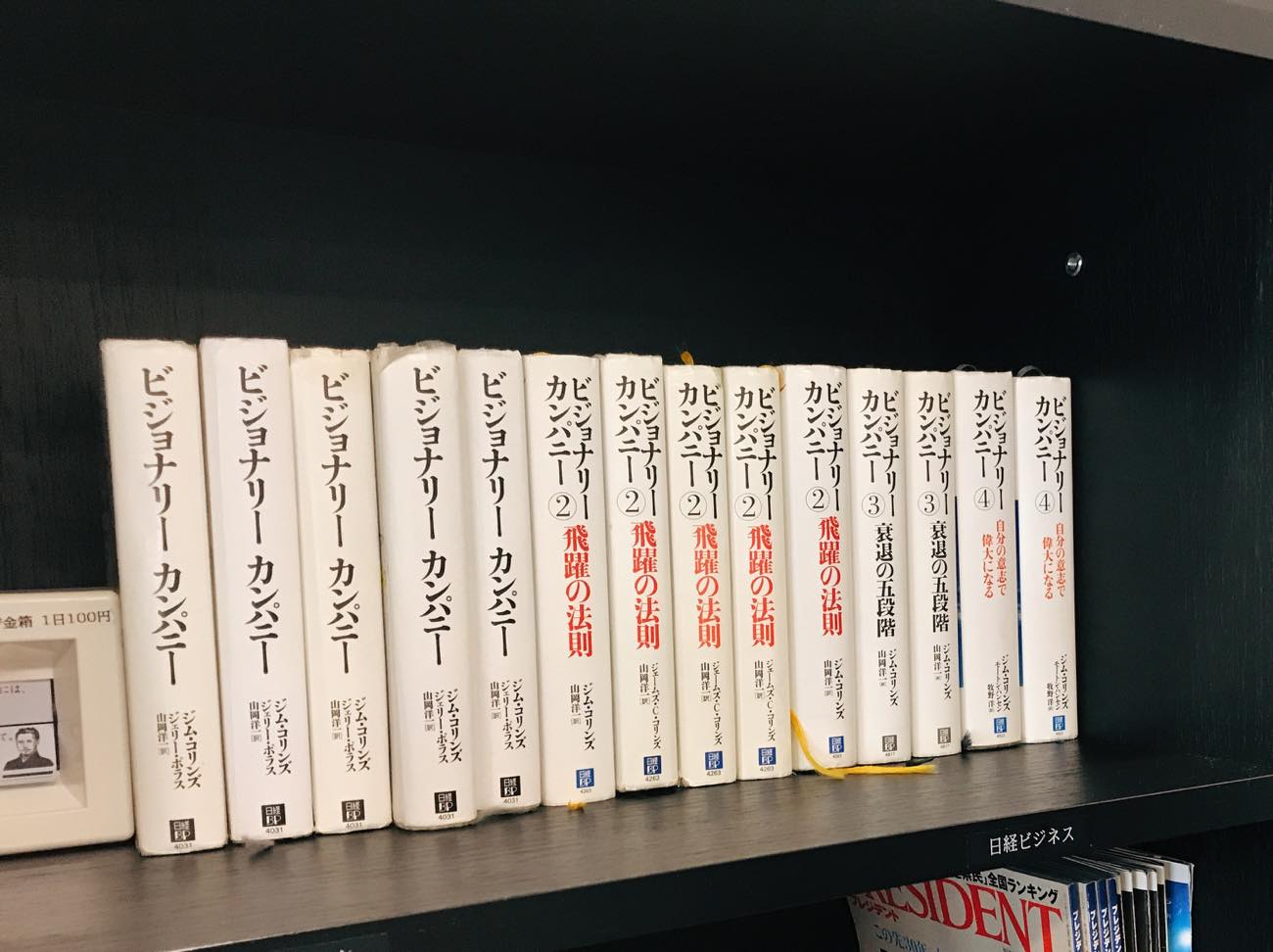
One of the company’s required readings is “Built to Last.” I haven’t read it recently, so I decided to reread it when I get back.
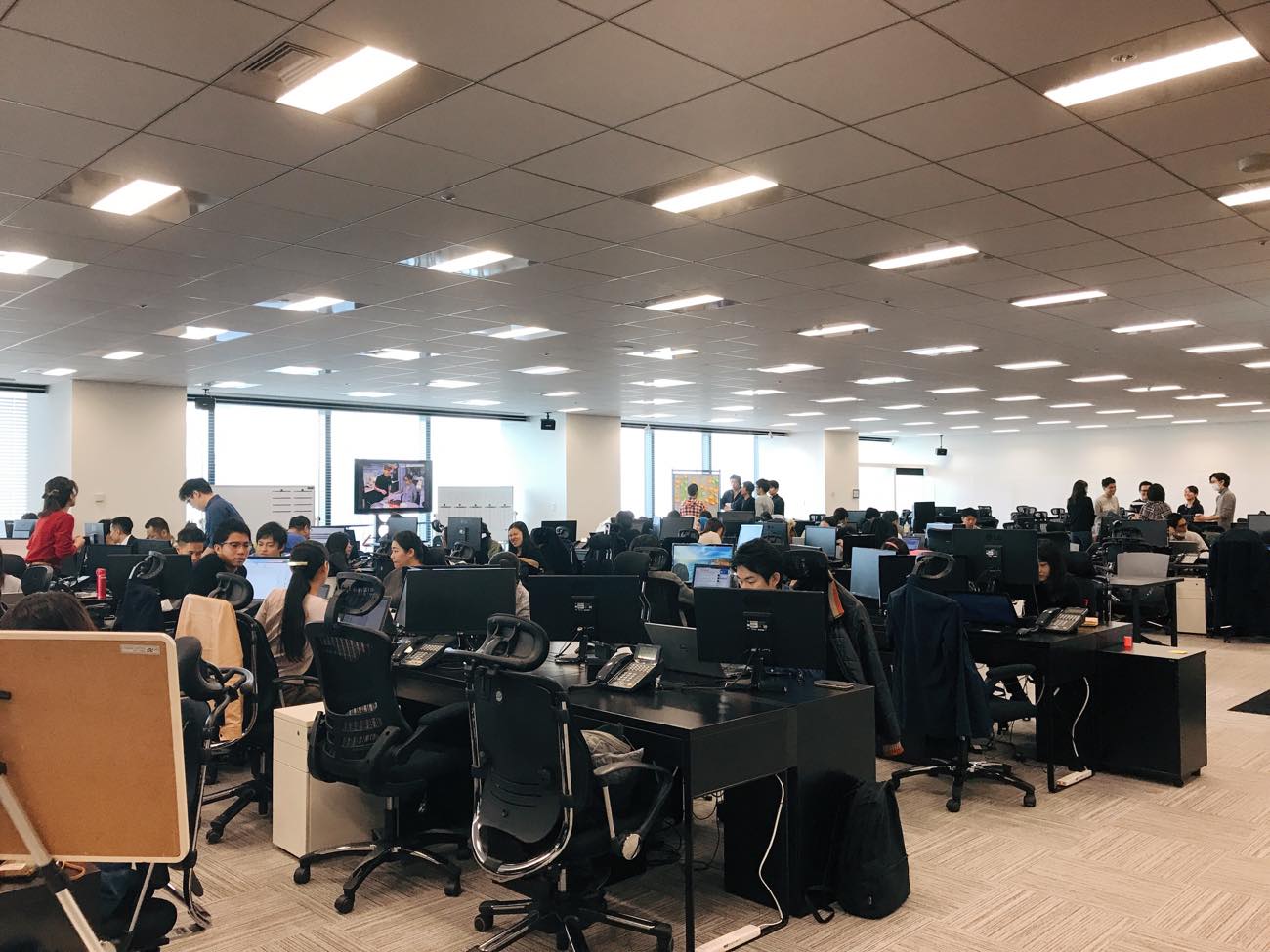
After that I had two meetings, then lunch with three Free Plus directors: Mr. Konishi, Mr. Kanda, and Mr. Mita.
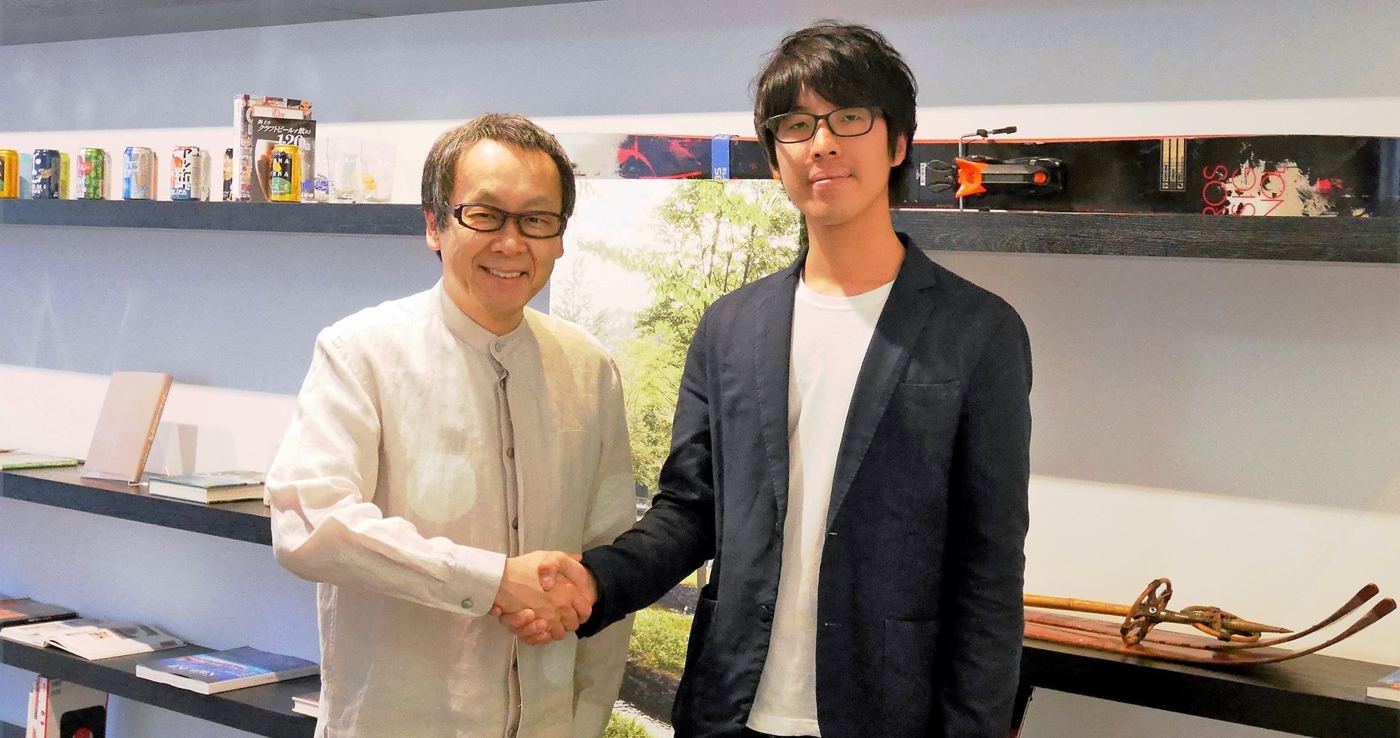
There was so much to learn: the handshake pledge with Mr. Suda when taking a directorship, internal communication, Free Plus’s culture, and more.
Incidentally, the phrase people often hear from Mr. Suda is apparently “What skills are you missing right now, and what are your challenges?”
It was the first time I’d been allowed to tour a company this deeply and for this long, and for me, having hardly ever worked at a company, it brought real insights.
Free Plus has clearly defined what Free Plus is, and that connects to the company’s culture and to each person’s actions and growth. What is MATCHA’s culture? I don’t have an answer yet, but I felt it’s about time I faced that question.
When I thanked Mr. Suda afterward, he said, “I’d be happy if you take something from us and your company grows bigger! Fight!” and that made him all the more cool. I want to work toward being able to say that so effortlessly myself.
Mr. Suda, thank you very much! I’ll come back to visit once we’ve grown!
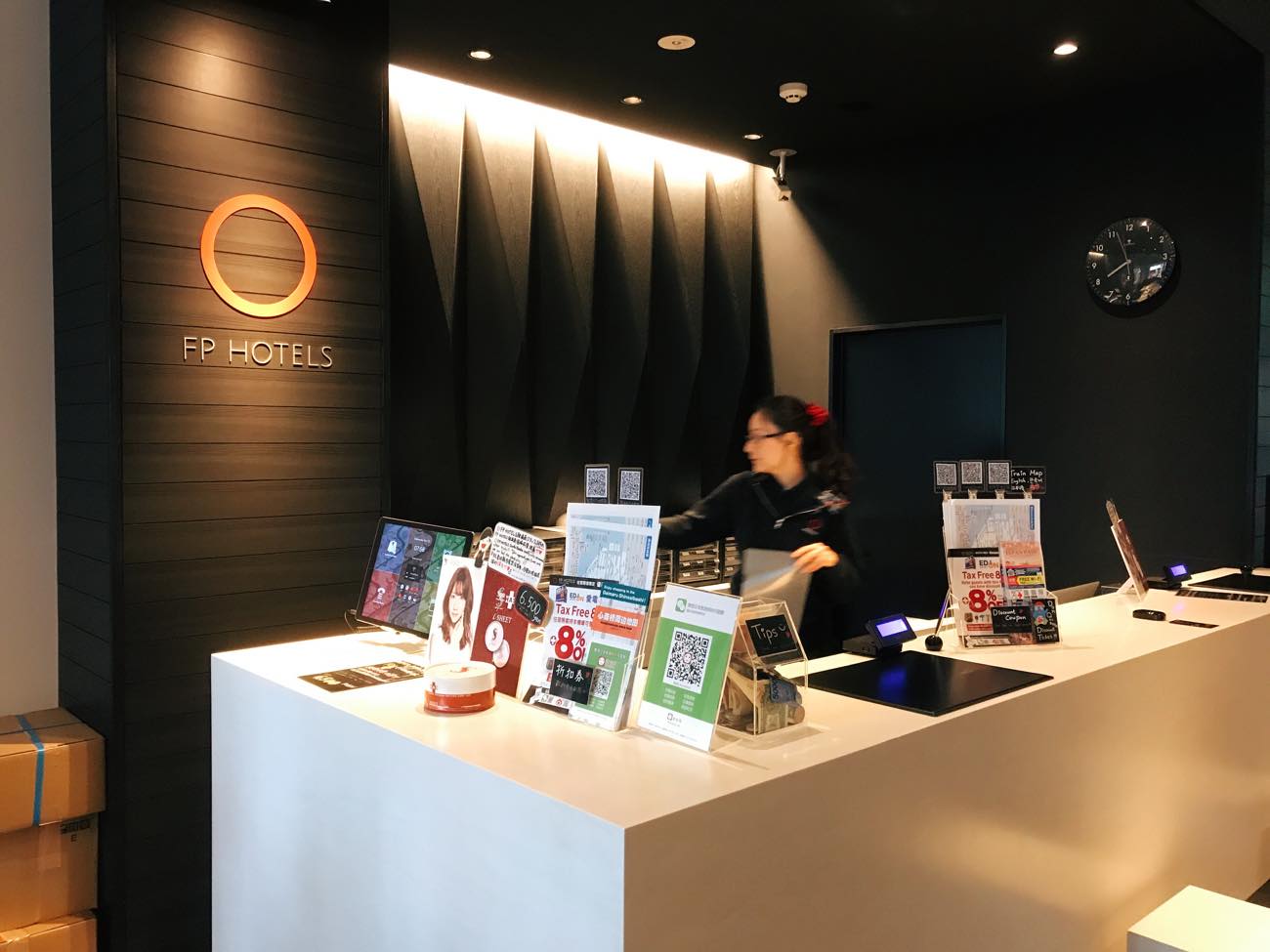
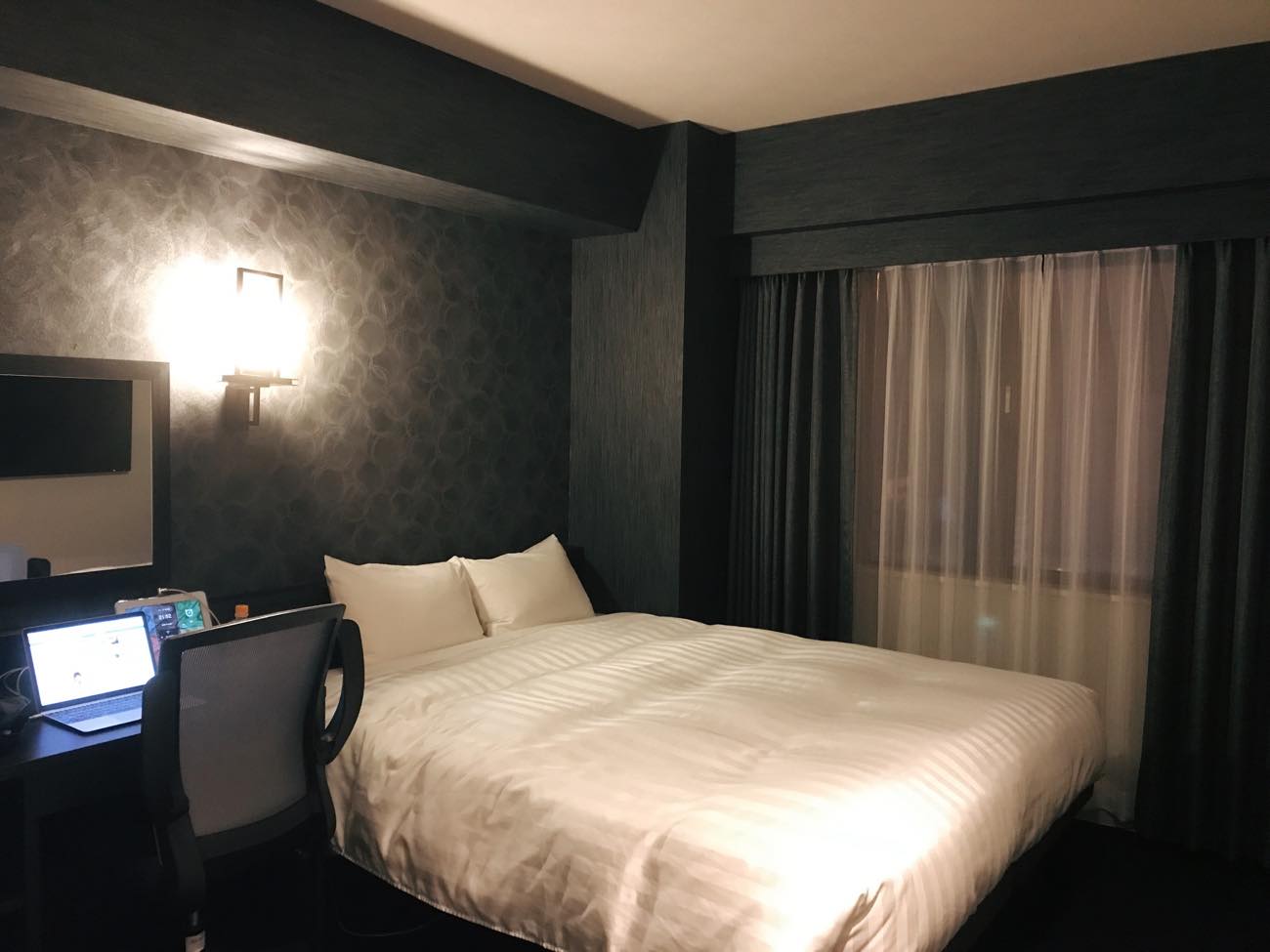
By the way, the night before I stayed at FP HOTEL. It’s right by the station, with a direct line to Umeda.
The rooms are unified in a calm tone, and I was able to concentrate on work.
Please do try it on your Osaka business trips. I recommend it, bias aside.
.