December 2017
A Way to Review Your Year That I'd Recommend to Everyone
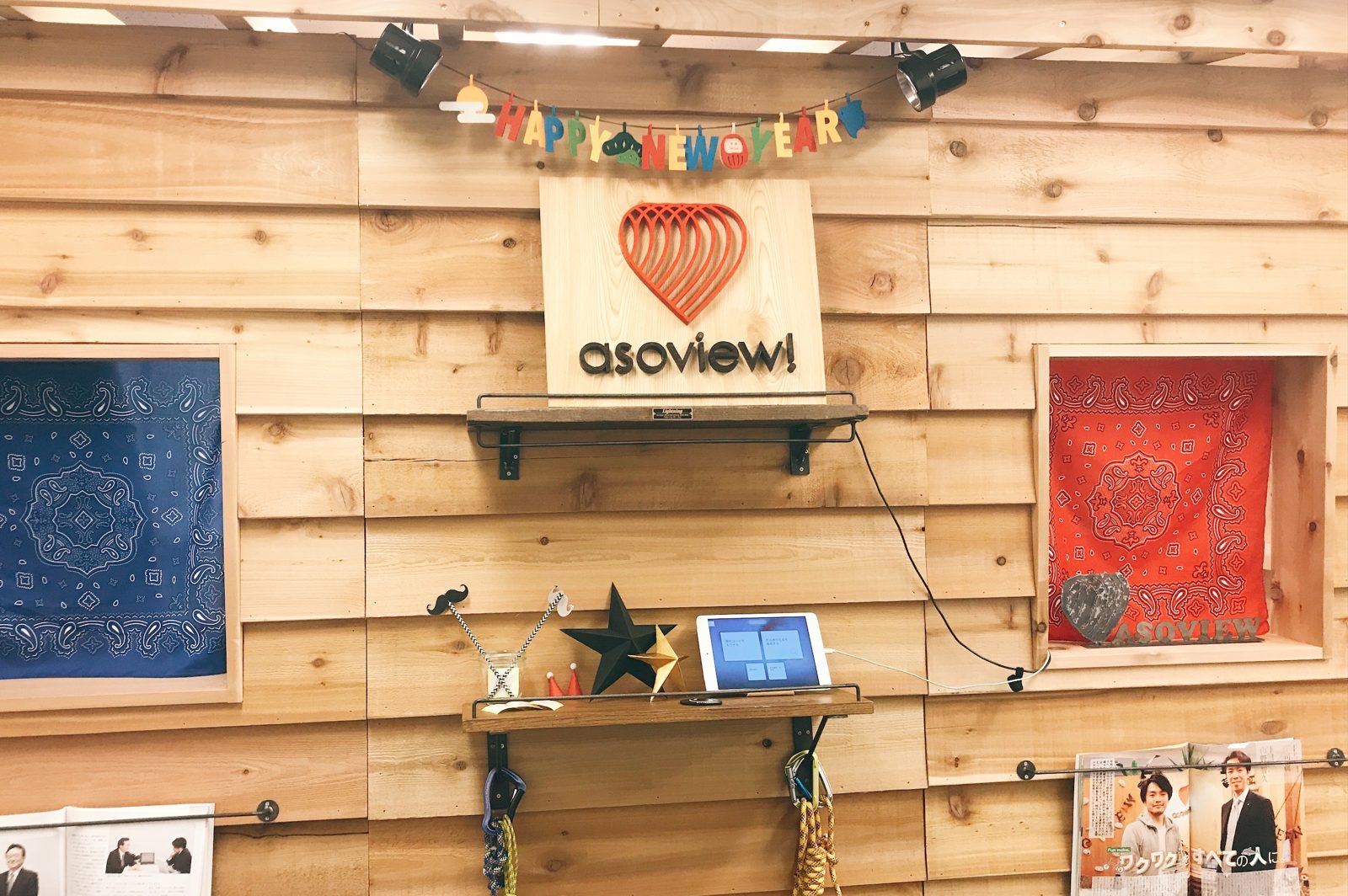
The second session was held at Asoview.
As a year-end habit, I do a review of the year.
Regularly looking back on yourself and putting it to use next time is very important.
The Complete Manual for the “Year in Review” Praised by 40 Businesspeople
I used the method above as my reference.
It came about four years ago, when it showed up on my timeline and I thought, I want to do this!
This was my third year, and this year I did it twice.
The participants in the first session were Ishida of MATCHA and Wang of Yamato-Gokoro.
The participants in the second were Yamano of Asoview, Abe of Ridilover, and Maeda of P&G.
For various reasons I ended up doing it twice, and both times I learned a great deal.
As a memo for myself, and because I want to recommend it to everyone who reads this blog, I’d like to sum it up here.
What a Review Session Does for You
A sample review sheet.
A review session is basically held with four people. Each person gets one hour.
The presenter talks through their year based on a sheet they prepared. The other three participants ask questions that dig deeper into the presenter. Then the presenter asks the participants about the challenges they feel and the points they want to discuss. I found that a split of roughly 20 minutes, 20 minutes, 15 minutes, and 5 minutes works well.
What’s good about a review session is that you can see your own successes and failures for the year in a visual way.
Every event that happens has some meaning. You put into words the causes of your conscious and unconscious actions, and they become easier to handle.
Even just filling out this sheet by yourself lets you look at your year objectively.
Even better, speaking it aloud so that others understand deepens your own understanding, and receiving feedback from three people gives you a new vantage point.
It’s also great that, hearing someone else’s story of their year, you can simulate in your mind what you would have done.
By the way, the question that struck me most was “What did you give up in 2017?”
What did you give up in 2017?
Yesterday I was asked, “What did you give up this year?”, and I couldn’t answer well right away. It’s really a question of whether I’m choosing and focusing, but I wanted to achieve everything, and many things ended up half-done. I want to increase the number of things I consciously decide not to do, so I can concentrate my effort.
— Yu Aoki / 青木 優 (@yuuu_a) December 30, 2017
The year-in-review method our company president ( @yuuu_a ) recommended was really good. Five hours total for four people seemed like a long haul, but once we did it, it flew by. I was able to dig deeper into my own review, and it was also helpful to take the time to hear about everyone else’s year. I’ll organize it later and write it up on my blog. https://t.co/ns1kxCrI13
— もりやみほ (@yuzun_m) December 29, 2017
Moriya-san did it too. I’m looking forward to hearing what she realized.
Input Notes
I realized so many things that I can’t write them all in one go, so for now I’ll jot them down as bullet points.
They are all golden insights, too good to leave as mere notes. I’ll have time at the start of the year, so I want to flesh them out one by one and write about them on the blog.
・What did I give up this year. The importance of choosing and focusing
・How to handle it when I feel uneasy about a member of the company
・Why people quit
・Think about things simply and broadly.
・My strengths, and what only I can’t do
・What kind of company I want to build.
・What kind of person I want to become.
・Make yourself idle.
・The problem of speaking at too many events and being unable to focus on the product.
・How much am I focused on the product and the business.
・Making the company’s members and investors into fans.
・Entry management when people join
・Build a system that doesn’t create bad people.
・What is the metric for the results of my activities.
・Create a highly abstract vision.
・Type and spec when hiring people.
・In the end, it’s the executive’s problem.
・Regularly share input from outside myself within the company.
・Defining organizational hierarchy
・Both logic and emotion matter.
・A system for goal setting and feedback
・The moment someone leaves is what determines what the company is.
・Grasp the flow of the world and compete in line with it.
・A boss’s evaluation is the boss’s own results plus the results of their subordinates.
・When giving feedback to someone, start with a preface.
・Convey the “ism” (the company’s philosophy).
That was long, but this is how it turned out.
I want to put these into my own words as much as possible and absorb them.
Make Next Year’s Version, Too, and Review Every Three Months
Looking back on the year, what I felt is that I haven’t been shaping this year consciously and strategically.
I have relied on good luck and on other people’s help, and what I built up myself is small.
When the new year begins, I want to imagine next year in detail and write it down.
Based on that, I want to review regularly, whether in late March or by shutting myself away in a hotel.
If You Haven’t Tried It, Please Do So at the Start of the Year
If this review method interests you, please give it a try.
Preparation takes about two hours, and the session itself about five hours. If it’s hard to gather people, I think you could do it alone.
I don’t know of any other way to review your year this compactly and this densely.
You’ll be able to see your life in a different way than before, and it will surely pay off in the new year.
→ The Complete Manual for the “Year in Review” Praised by 40 Businesspeople
.