April 2012
Kagawa Day 2: Enjoying the Island and Its Art on Teshima
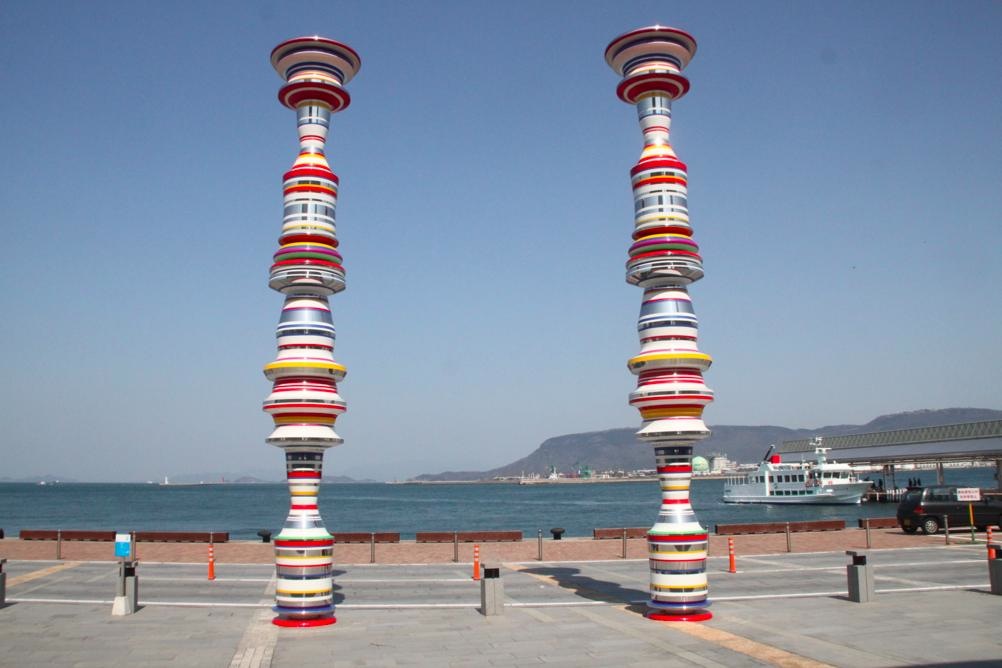
On the second day we visited Teshima and Naoshima. We met at the ferry terminal around 8 a.m. and set off by ferry.
During the one-hour ferry ride I slept through violent shaking, banging my head again and again. It cost 1,200 yen for one hour, which is expensive compared with the Jumbo Ferry.
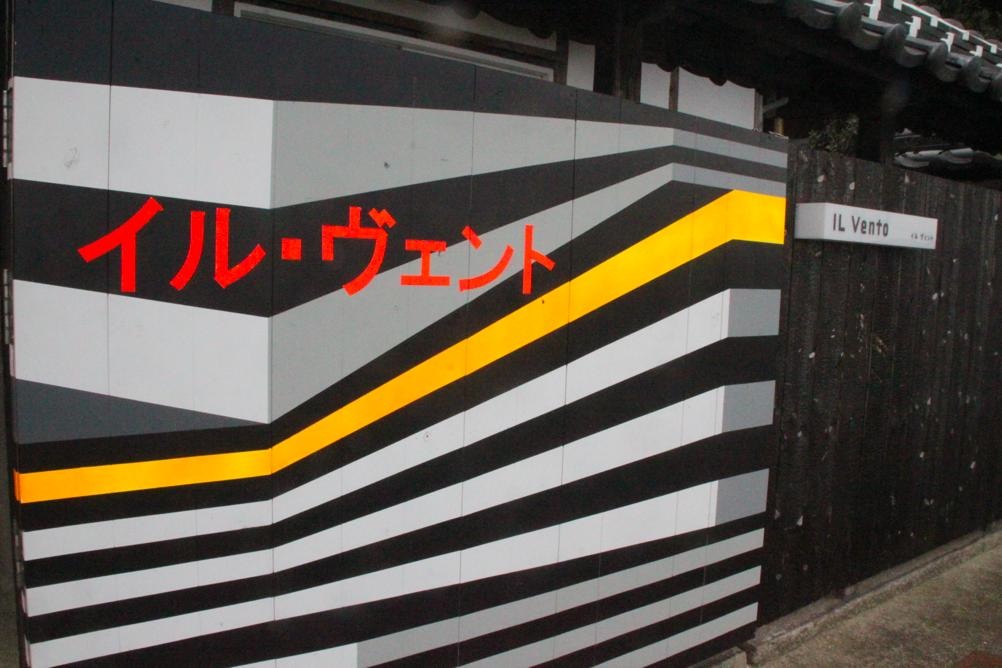
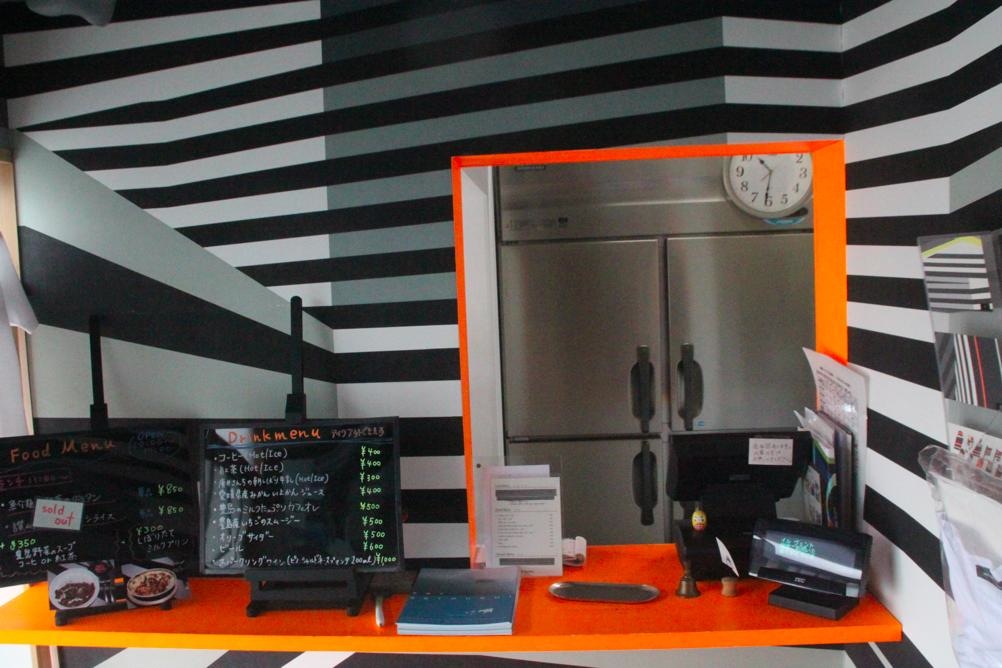
After arriving on Teshima, the first place we went was Il Vento. It’s a cafe. The interior is designed like a maze, and while our coffee was being made, I wandered around inside the building.
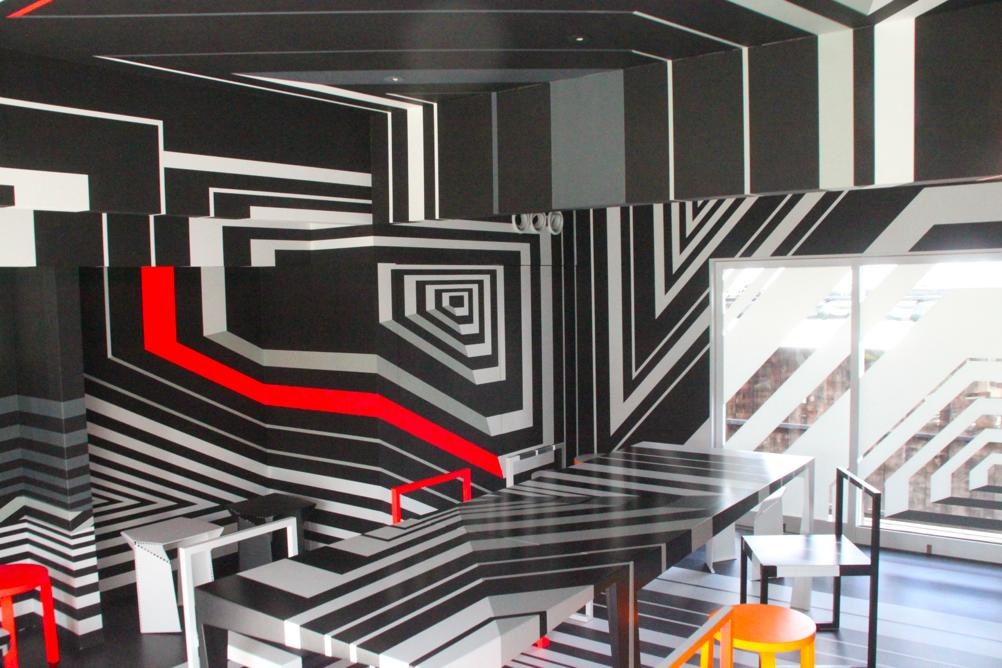
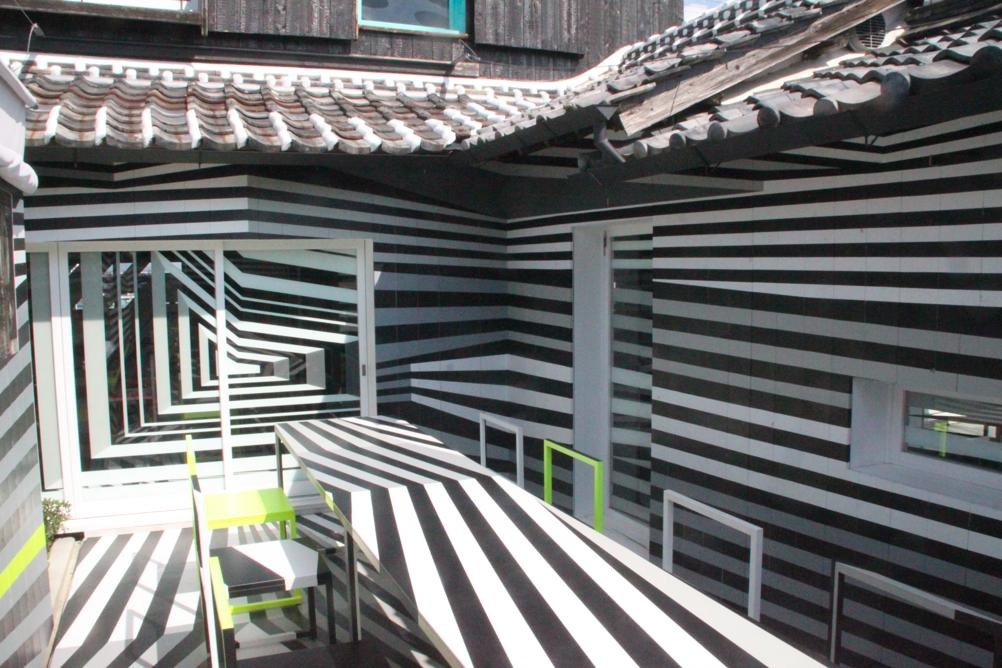
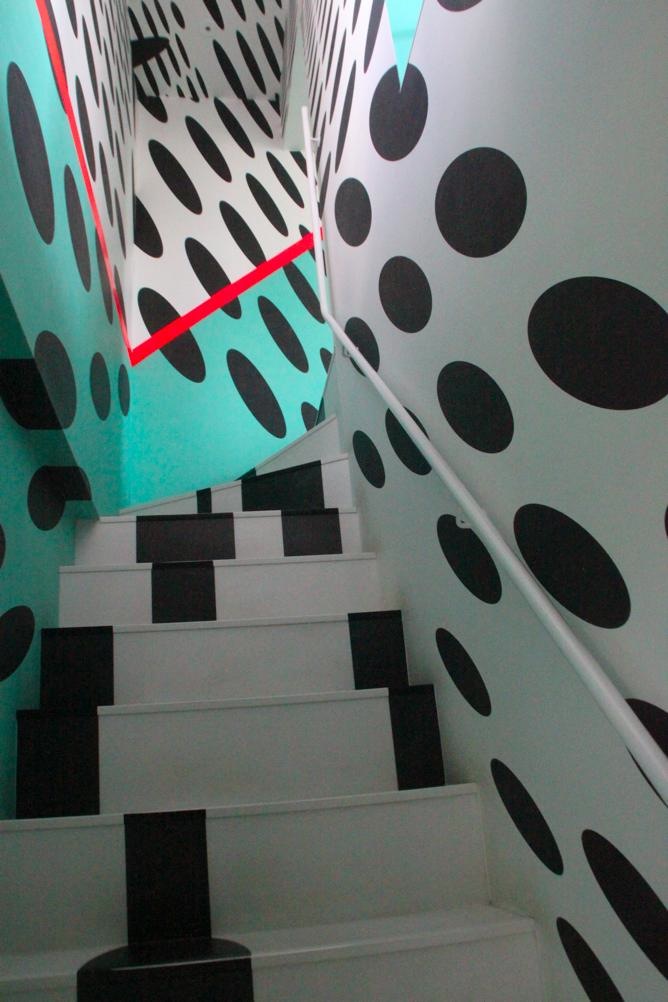
There are stairs too.
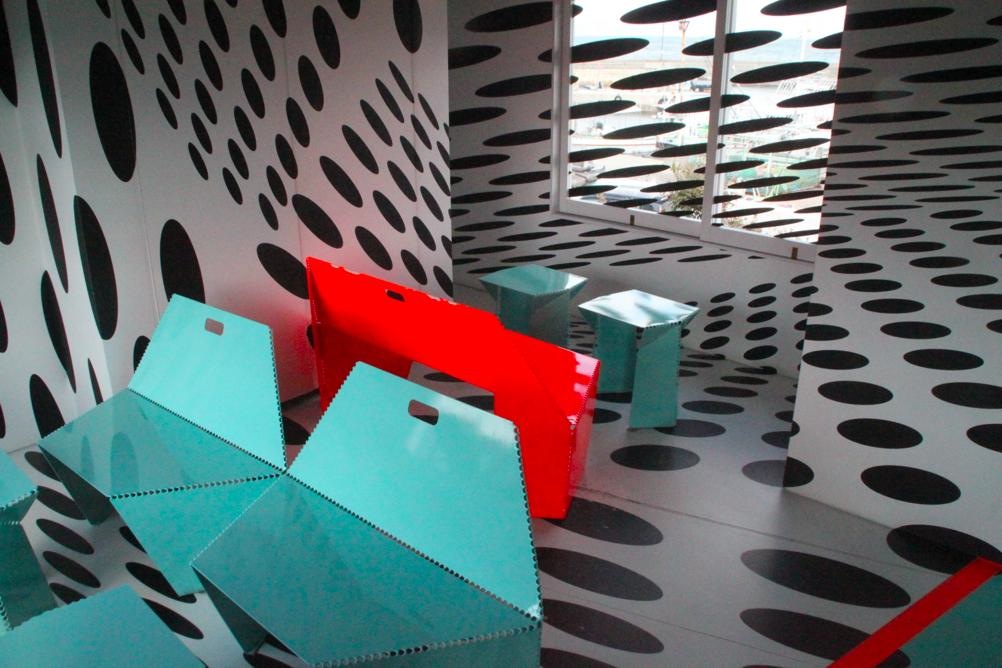
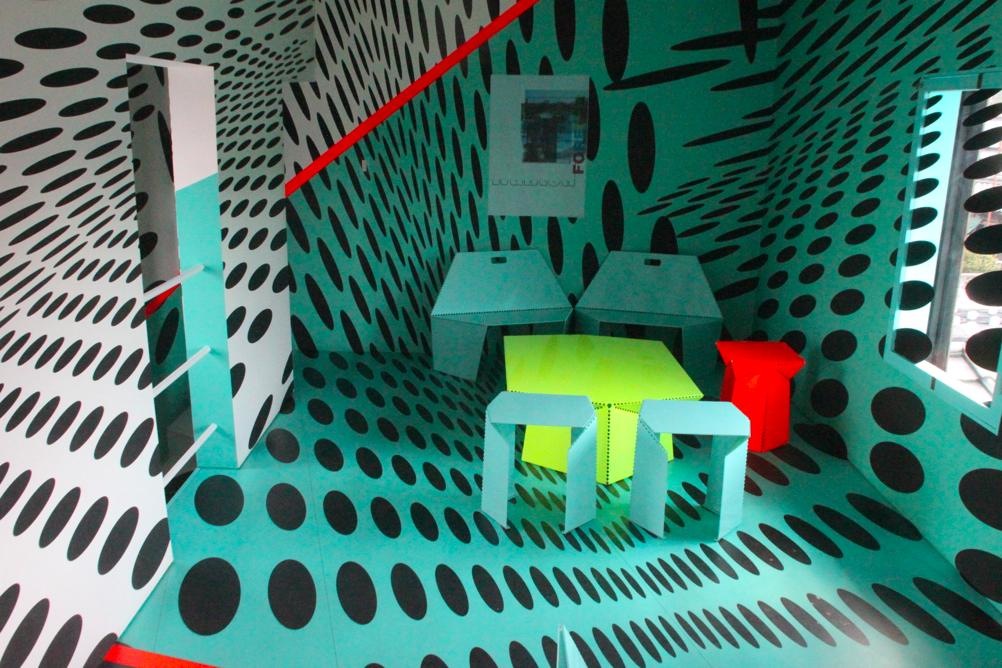
Hmm, I don’t dislike it.
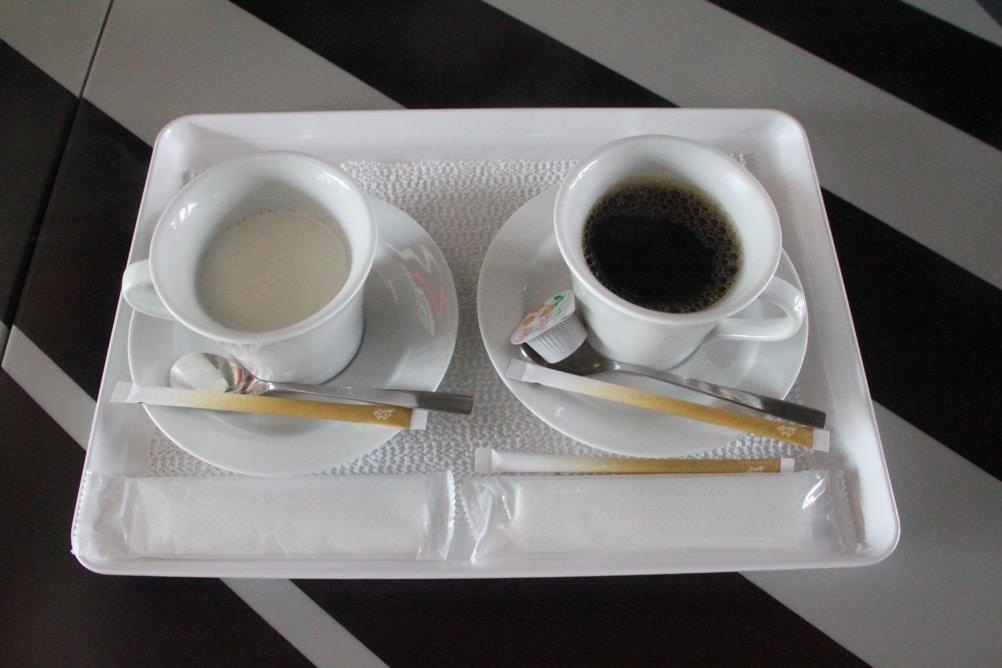
The coffee was delicious.
What struck me most was something the person at the cafe said: they grow the coffee beans in their own fields and sell them as their product. “We grow coffee, and the neighbor runs a daikon radish field. The one next to them probably has a mandarin orange grove. We tend to harvest too much, so we trade with each other.” Bartering food is primitive, but it made me feel something of the future. Of course, I don’t think barter alone is enough to feed everyone.
After that, we took a bus and wandered around. Renting electric bikes was an option, but since we were coming back to Teshima again, we figured the bus was better. Partway through, we got off and walked.
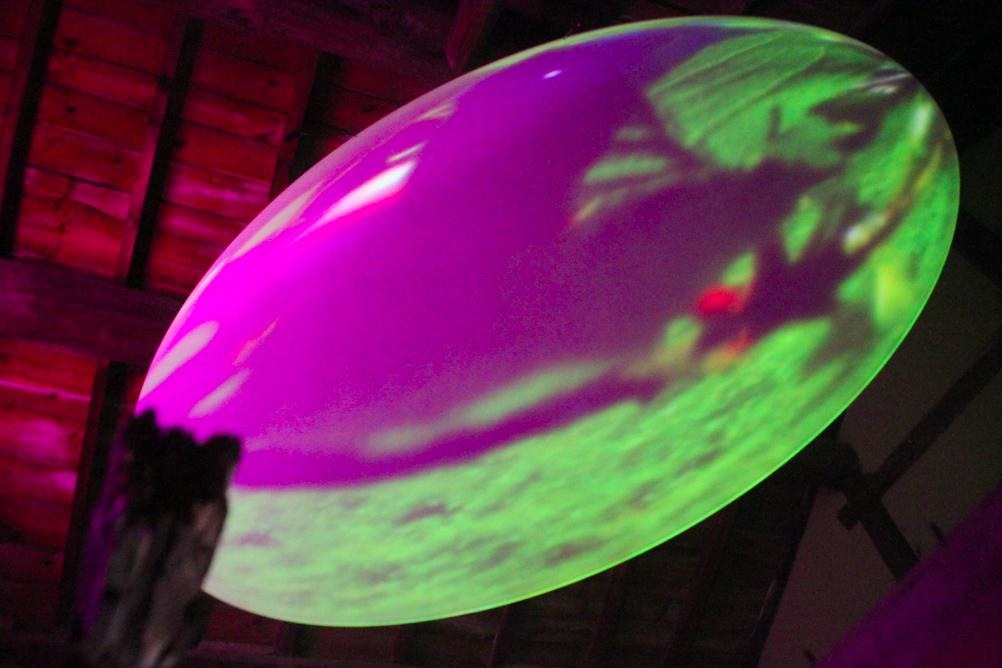
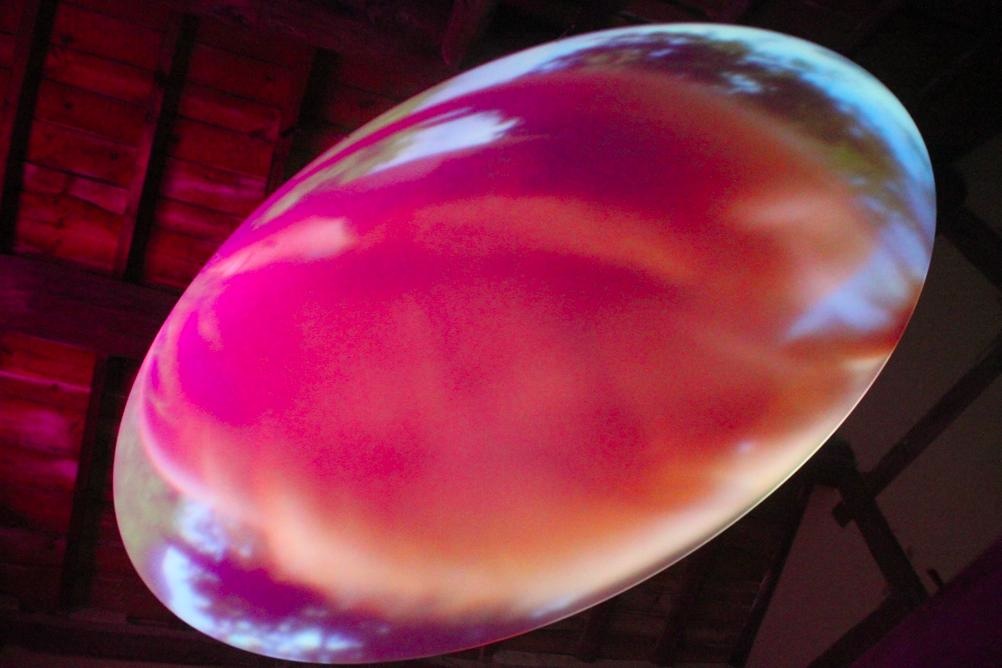
This is another piece of Setouchi art. On a flat circular board, images move in a circle around it. Sometimes it’s footage of flowers, sometimes the inside of a human body. The Setouchi art exhibits can each be viewed for around 300 yen. It was the off-season, so they said about 50 to 100 people come in a day, but in the high season, during the Setouchi Triennale art festival, countless people came.
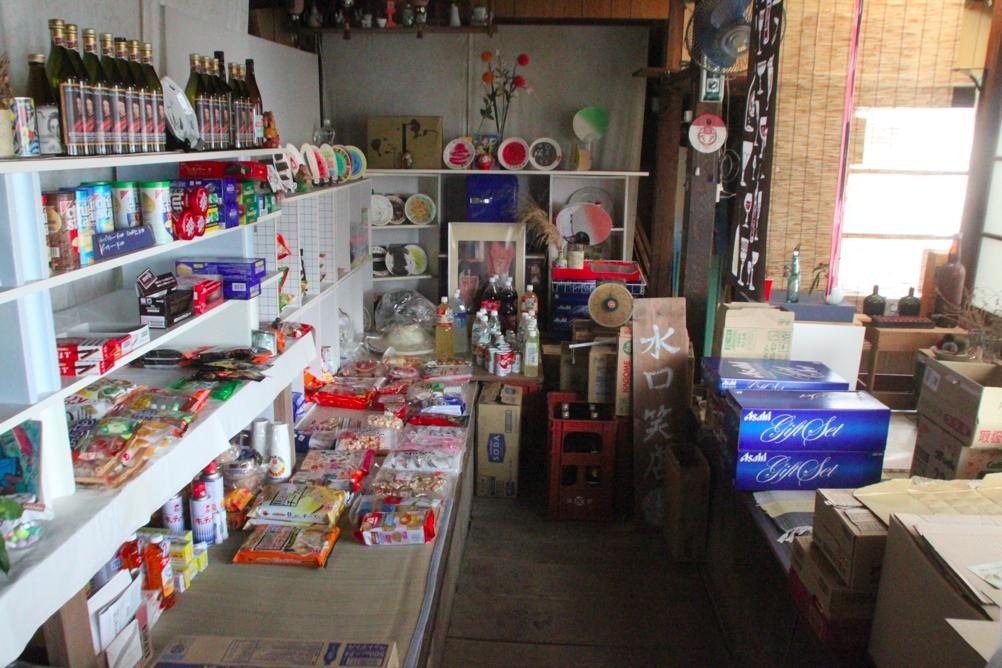
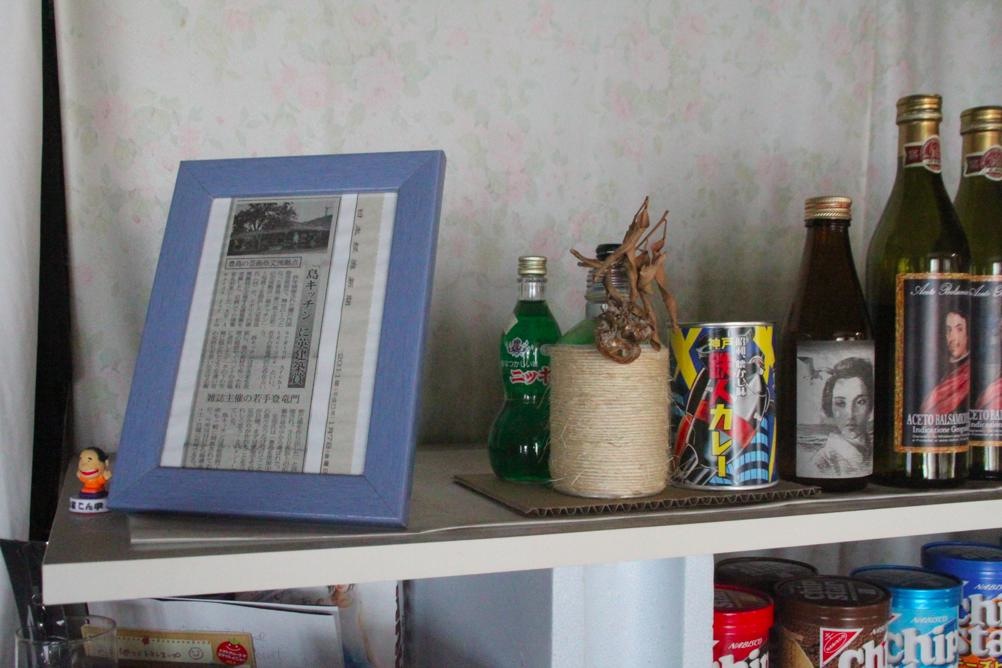
On the way we stopped at a tiny shop in town. The shop is called Mizuguchi Shoten. They apparently stock up from Takamatsu about once a week. We spent about 30 minutes listening to the man who runs the shop talk about Teshima. The island’s population has fallen below 1,000. It used to be over 3,000. The elementary and junior high schools have closed, and now you can count the children on your fingers. This is one scene of Japan today. If things stay as they are, in 30 years there will be nobody on this island.
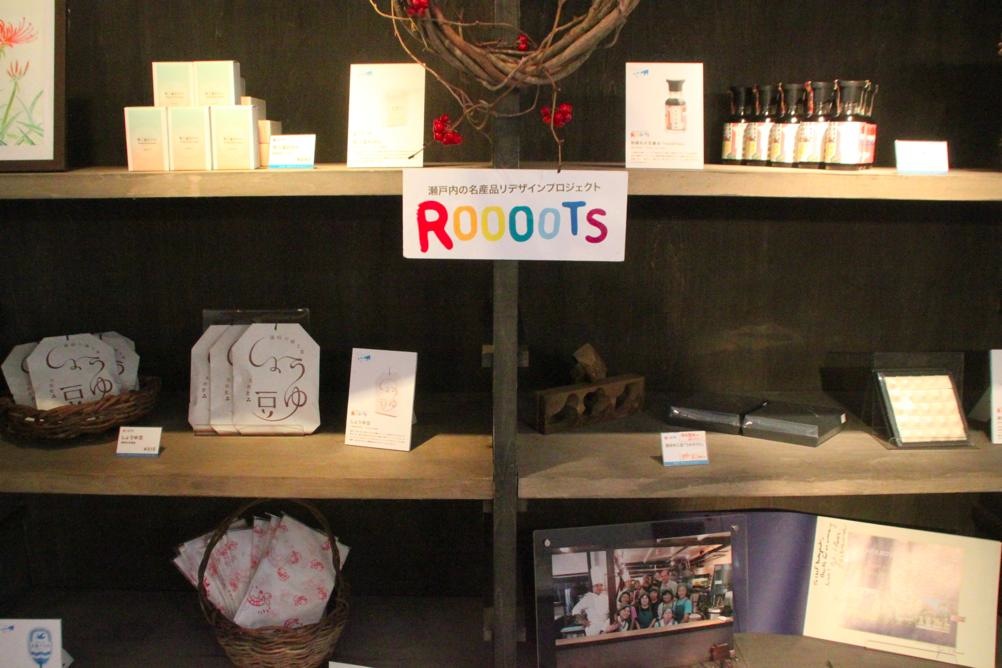
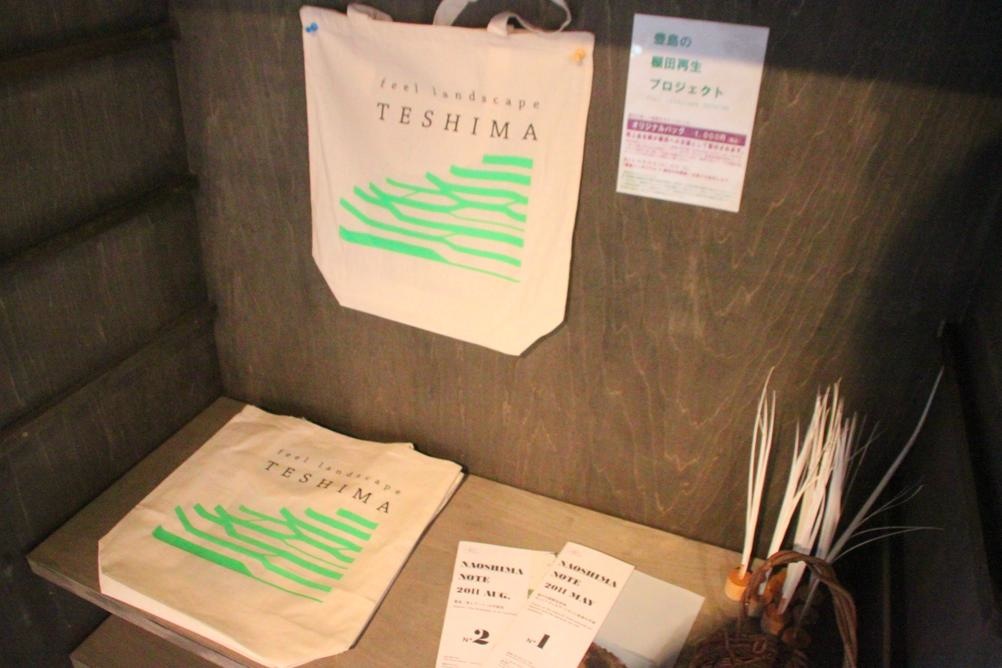
A restaurant display. Art, space, and product. Clever.
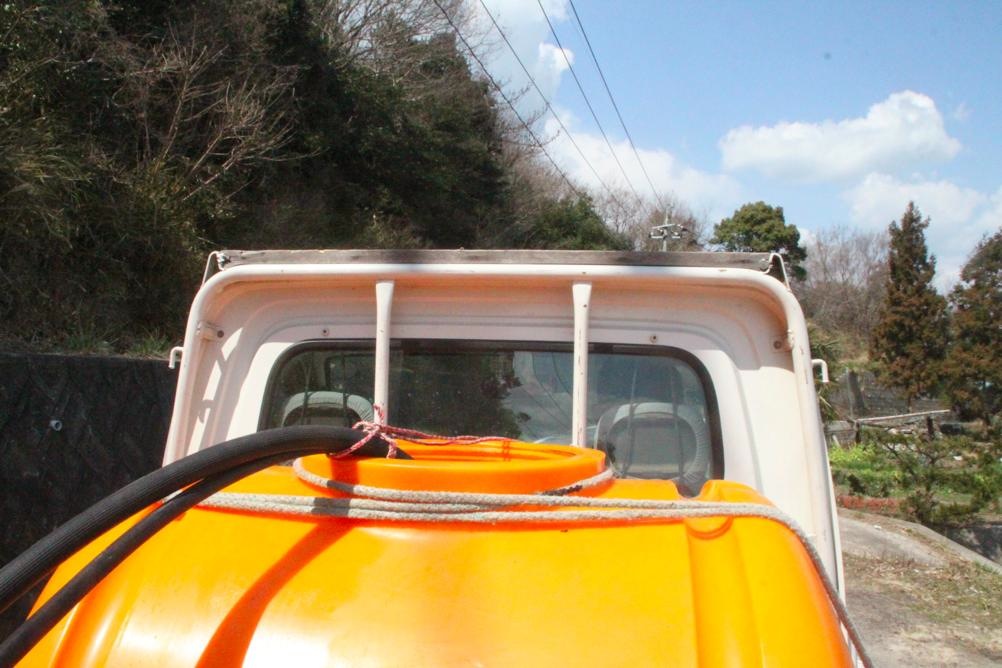
On the way to the Teshima Art Museum we got lost, and when I asked a driver for directions, we turned out to be walking the wrong way, just as I’d feared. “Seriously?” we said, turning back, when the driver I’d just asked came up behind us and said, “I’ll give you a ride part of the way.” Riding on the bed of the truck, feeling the island breeze and the scenery rushing by, was fantastic. The islanders are warm people. Thank you.
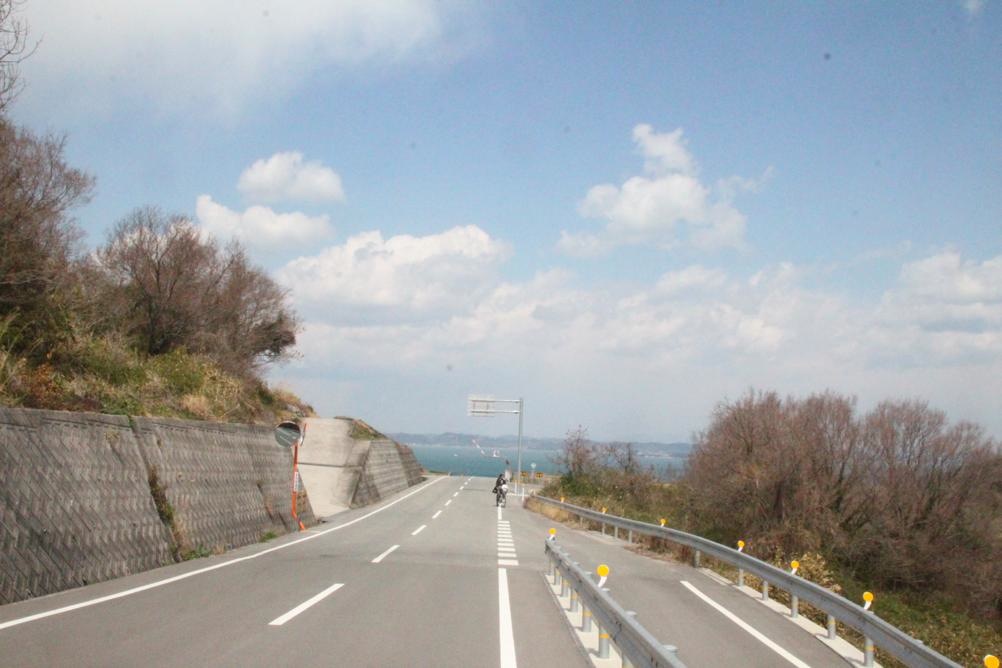
All told, we walked around the island for more than an hour. I talked with my junior about the potential of islands, and about what it means to live. One thing that came up and stayed with me was the line, “On an island, you don’t need music.” The sound of the wind and of the grass and bamboo swaying was so pleasant that it would be a waste to put on headphones. The views from the island and the sounds you hear there are things you can never experience in the city. A world apart from everyday life.
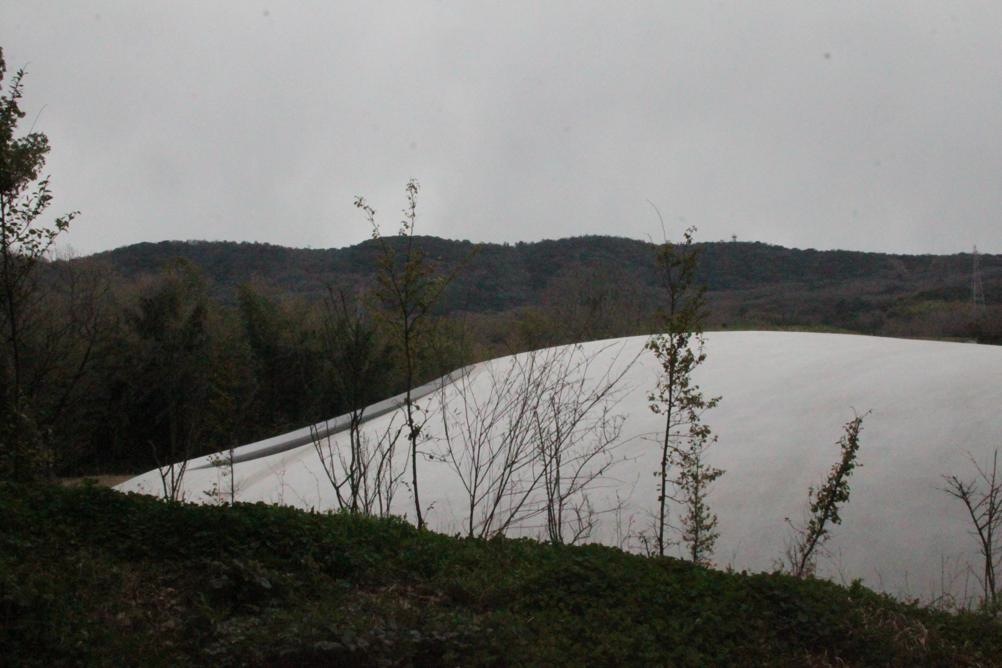
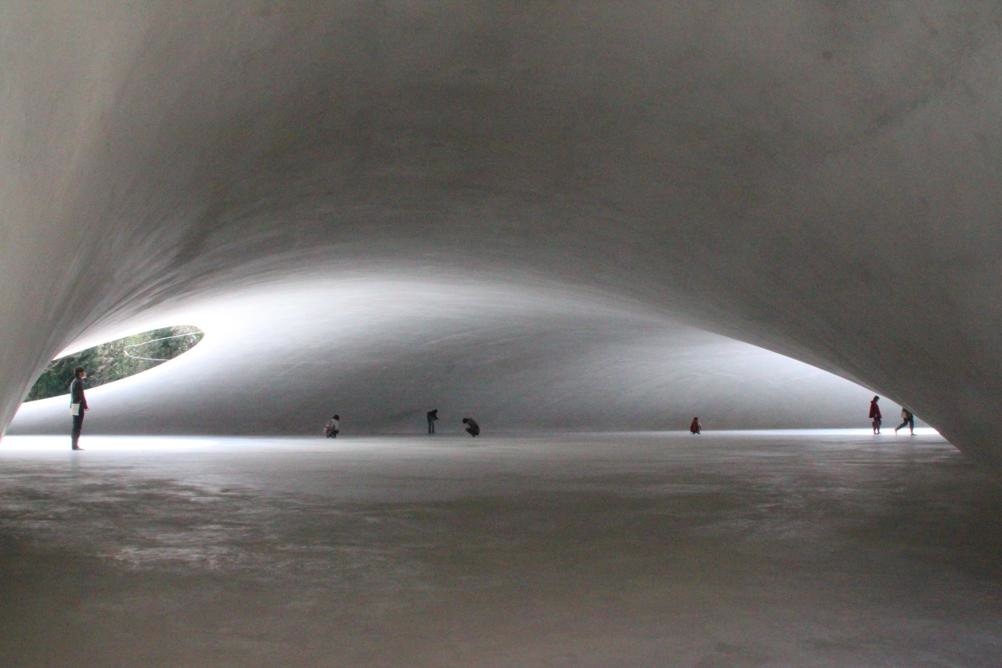
The Teshima Art Museum. It was wonderful. I wish I could have stayed longer. I can’t put it into words, so please go and see it for yourself.
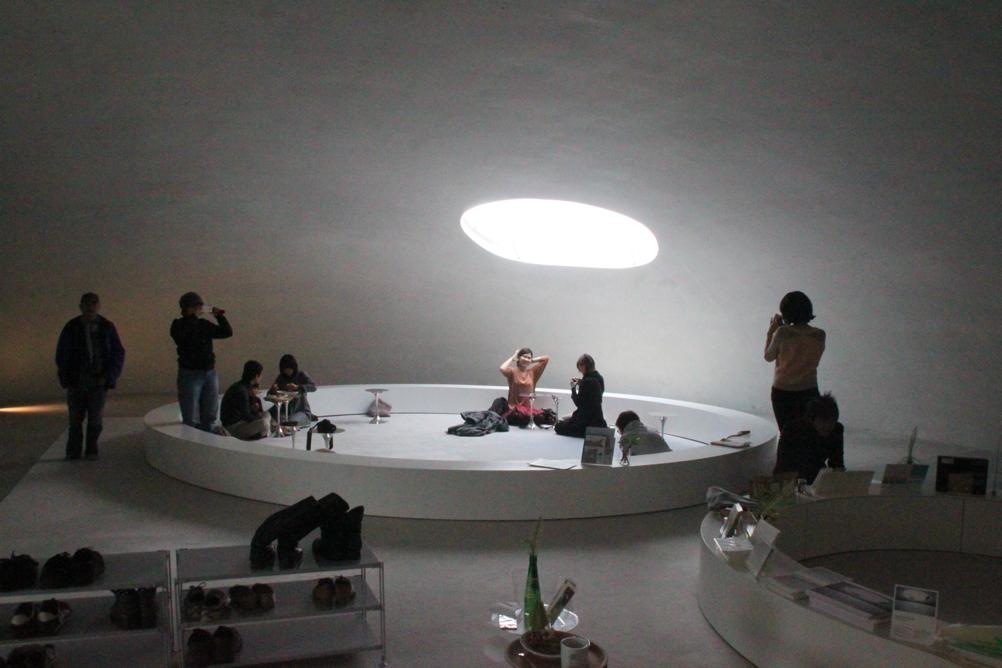
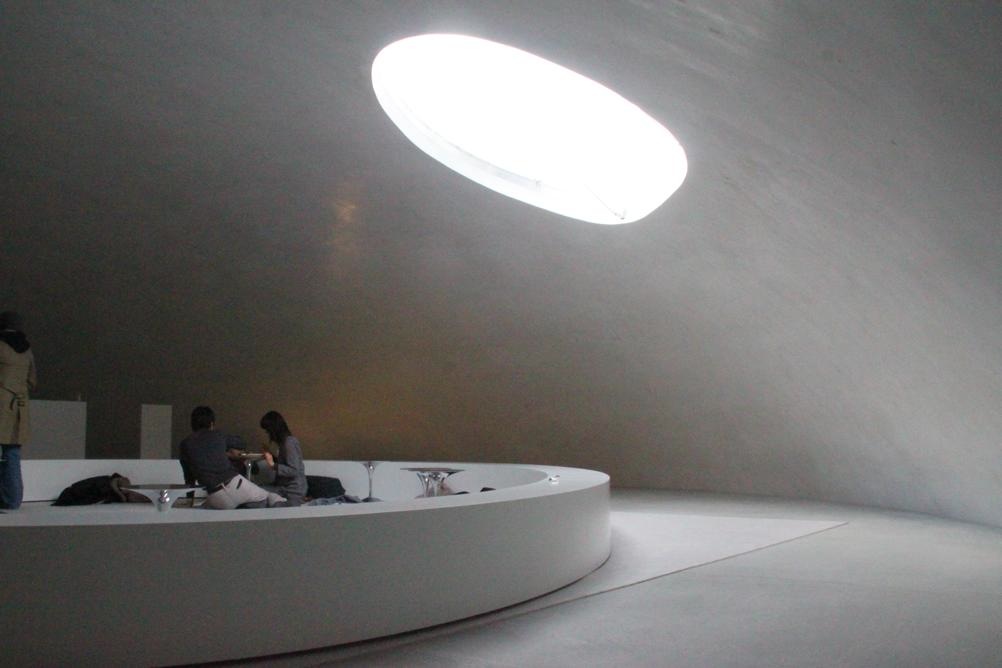
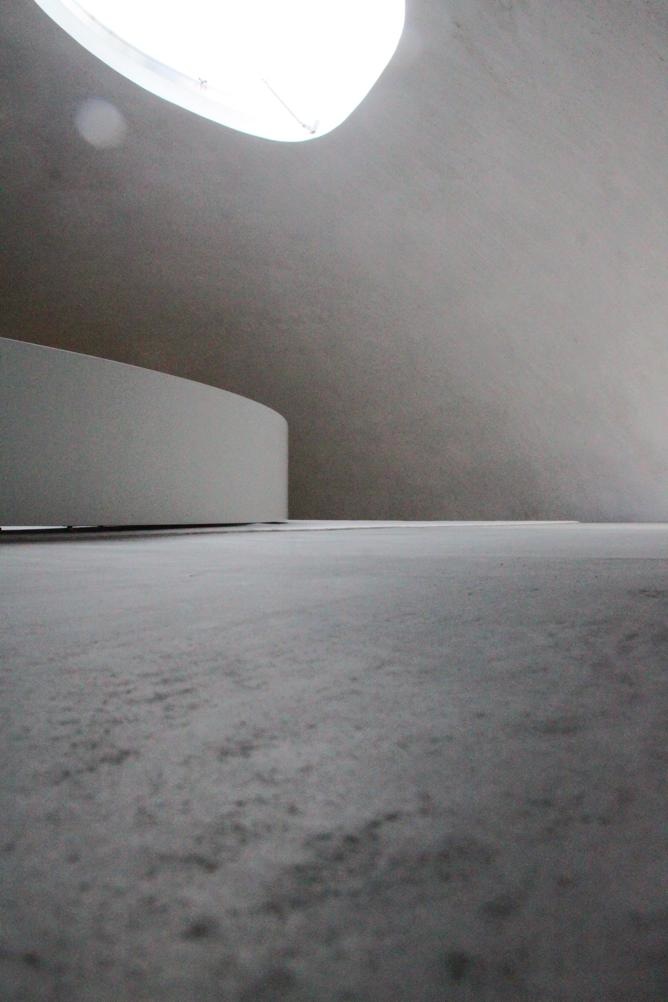
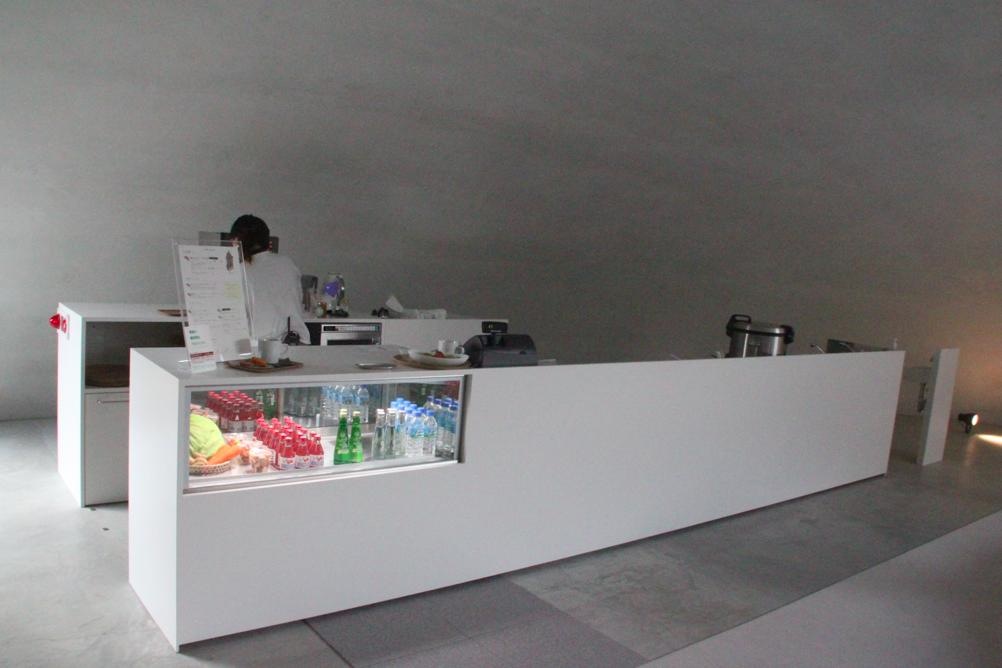
The Teshima Art Museum restaurant. You can eat in the same space as the museum. We didn’t have time to eat there, but I want to next time.
After the Teshima Art Museum, we took the bus to the ferry terminal. We had gotten the ferry time wrong, so we ended up relaxing for about an hour and a half until the ferry to Naoshima came. What I think after visiting Teshima is that Teshima alone is enough to fill a whole day. With an electric bike, you can easily reach the top of the island’s mountain. A place to stay costs only 2,500 yen, and looking back now, I think I should have set aside a whole day for Teshima.
Next up: Naoshima!