July 2013
"Pilot Fish," a Novel Full of Transparency
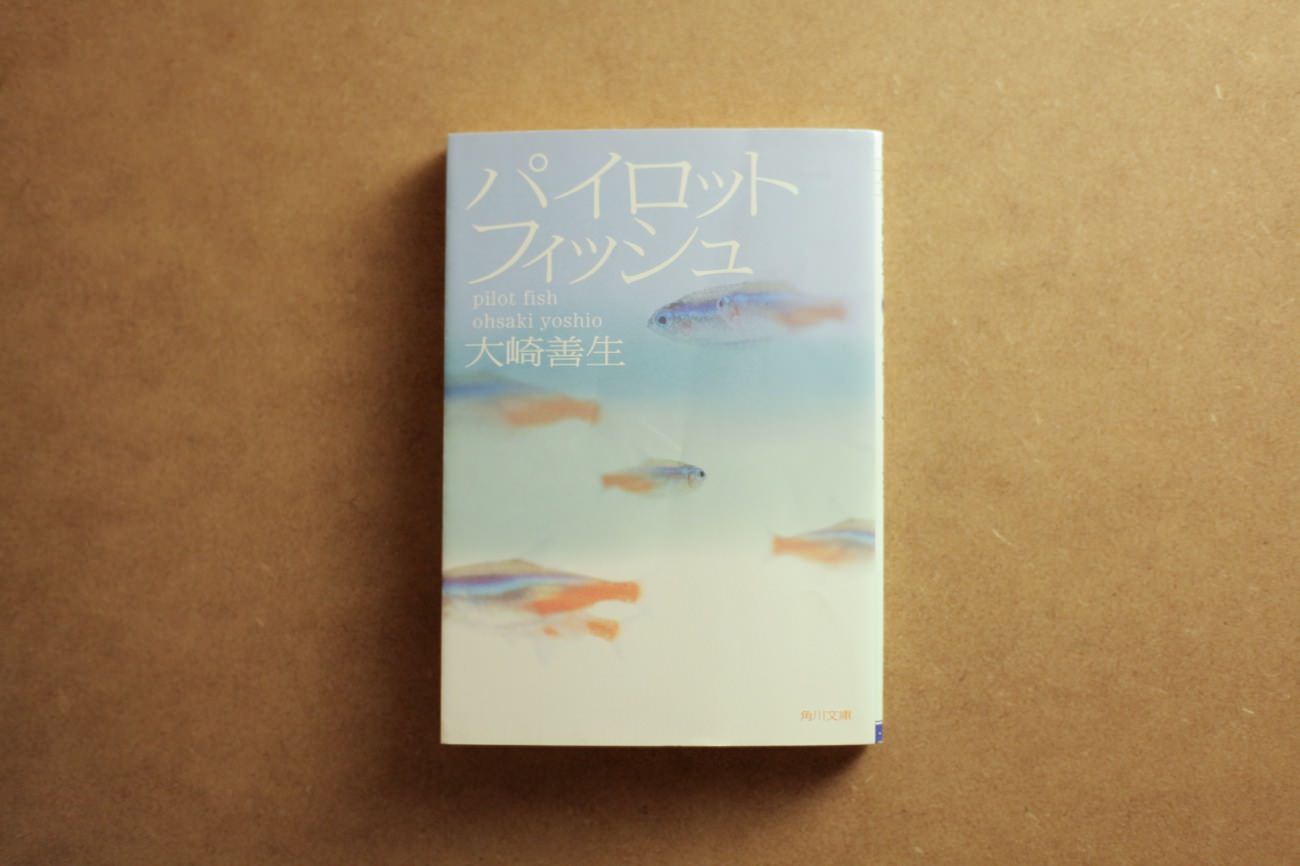
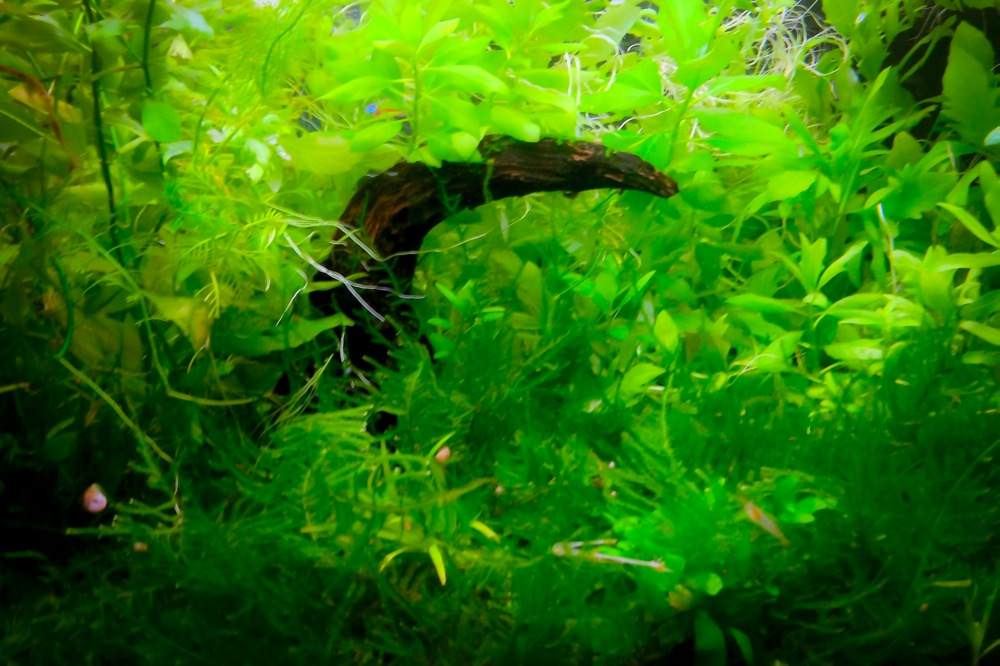
A pilot fish is a fish used to prepare the environment of an aquarium before expensive tropical fish are put in. I learned of this fish from Yoshio Osaki’s novel “Pilot Fish.” I came across the novel in my first year of university, when the cover caught my eye at a local bookstore and I picked it up.
I’ve probably read it about ten times by now. But if I don’t read it for a few years, I forget the details of the story, and when I recently answered “Pilot Fish” to the question of my favorite novel, I couldn’t explain the story well.
All I could say was an abstract answer: “It’s a coming-of-age novel. It has a transparent quality, and I love the atmosphere of its prose.” Well, that’s not necessarily a bad thing. I think that’s just how human memory is.
I felt like reading it again after a long time, so I bought it on Amazon. This is my third copy. In fact, I even carried “Pilot Fish” with me during my trip around the world, and ended up giving that copy to someone. And I finished it in about an hour and a half at the Earl-za reading cafe in Koenji. As always, I loved the atmosphere of this work. And now, carried by the impulse of having read it, I’m writing this.
“Once you’ve met someone, you can never part from them again. At two in the morning, a phone call comes to Yamazaki, who works at the editorial office of an adult magazine. The voice on the other end is Yukiko’s, which he hasn’t heard in nineteen years… Days with her rising from the bottom of the lake of memory, the bar owner who looked after him, the editor-in-chief Sawai who was once his boss, the memorable figures and words of his colleagues. Weaving the present and the past together, this supreme long-selling coming-of-age novel delicately portrays, in a prose full of transparency, the poignancy of meetings and partings and the eternity of human emotion. Winner of the Yoshikawa Eiji Literary New Face Prize.”
Some of you may be thinking “huh?” after reading that, but that’s the synopsis on the back cover. Human memory is funny: reading the back cover and the first page, the whole story came back to me at once. Most people probably haven’t read it, so I won’t go into the detailed plot.
The depiction of everyday life reminds me of Haruki Murakami, and the author himself writes that he was influenced by him, but I happen to like Osaki’s writing better. It’s transparent and gentle.
The expressions and metaphors are very pleasant. Some people may not like the sex scenes or the smooth-talking lines, but I think it’s wonderful. It sinks, thud by thud, into the pit of my stomach.
I especially love the scene where, at home drinking beer, he sautés onions over low heat for five minutes, then turns off the heat for five minutes, repeating this. I can imagine the sweet smell of those onions. And so I get pulled deeper and deeper into the world of this novel.
Lately I’ve been buying and reading books almost entirely on Kindle, but paper books are really nice. It’s not about functionality: from the paper quality to the cover design and the color, I think all of it together makes a book.
It’s obvious, but I was reminded that books should be read again and again. The better the book, the more new discoveries you make each time you read it. They say reading a book is the same as talking with a person, and it’s really true: you can’t learn much from a single conversation.
Having read it again after so long, I want to meet Yoshio Osaki all the more. As I wrote in my list of 100 things I want to do in life, I’ll try to make it happen somehow this year. It’s not that I have something amazing I want to talk about; I just want to meet the person who created something I became so absorbed in. And ask rambling questions, like “What did you eat last night?” lol. There are people like that sometimes.
It isn’t a travel book by any means, but next time I go somewhere, I’d like to bring it along.


I like Asiantum Blue too, but I’d like you to start with Pilot Fish.
.