July 2014
Challenges for Japan's Inbound Tourism, Seen at the Kyoto Station Tourist Information Center
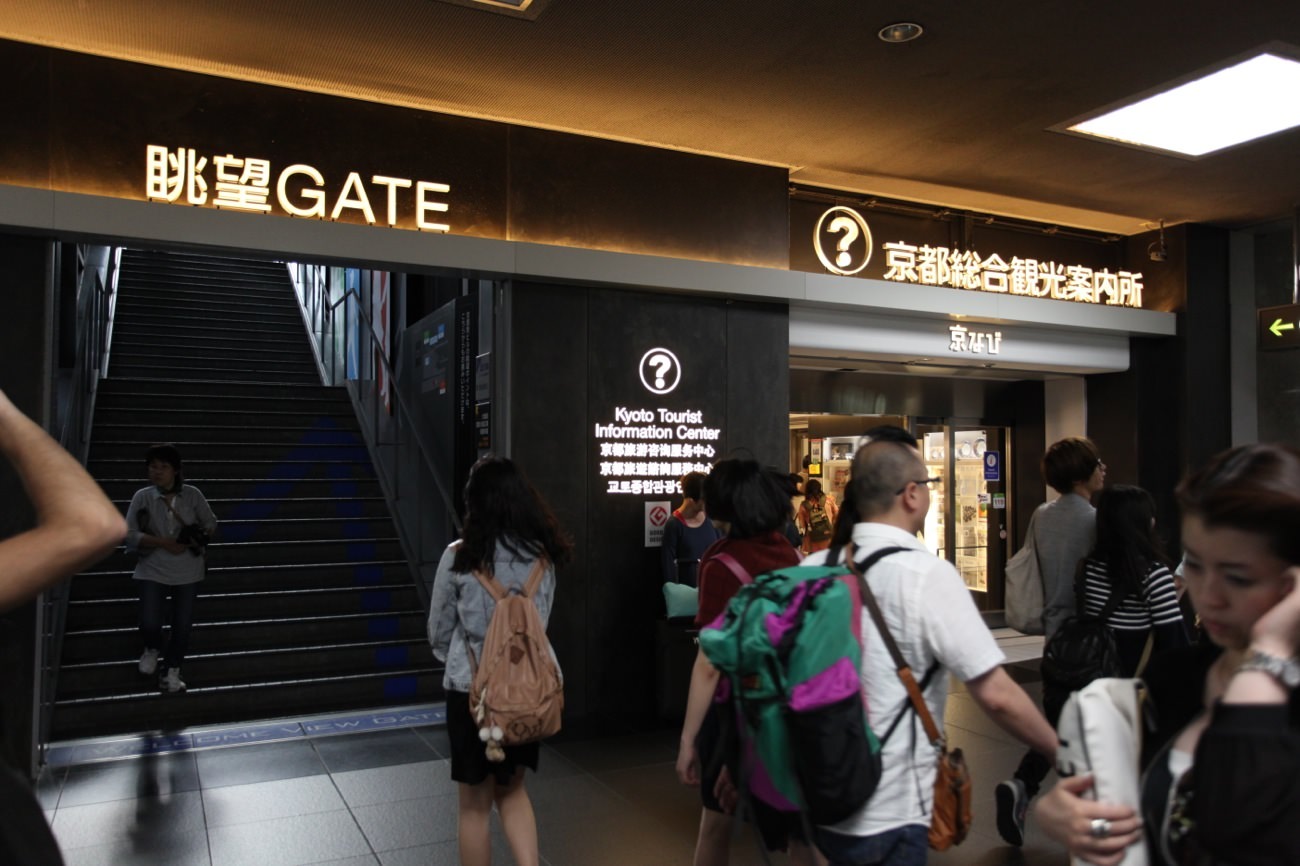
The general tourist information center at Kyoto Station.
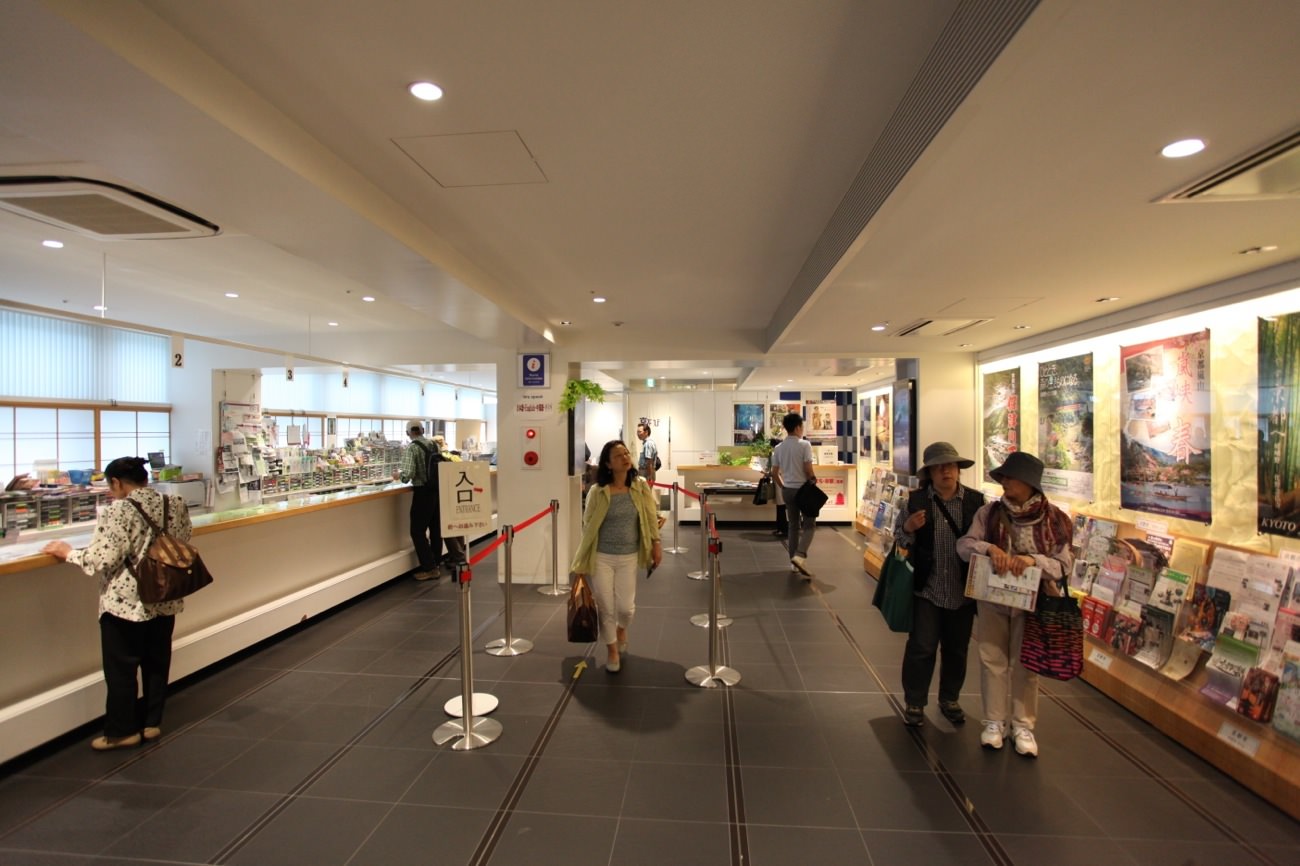
Inside the tourist information center.
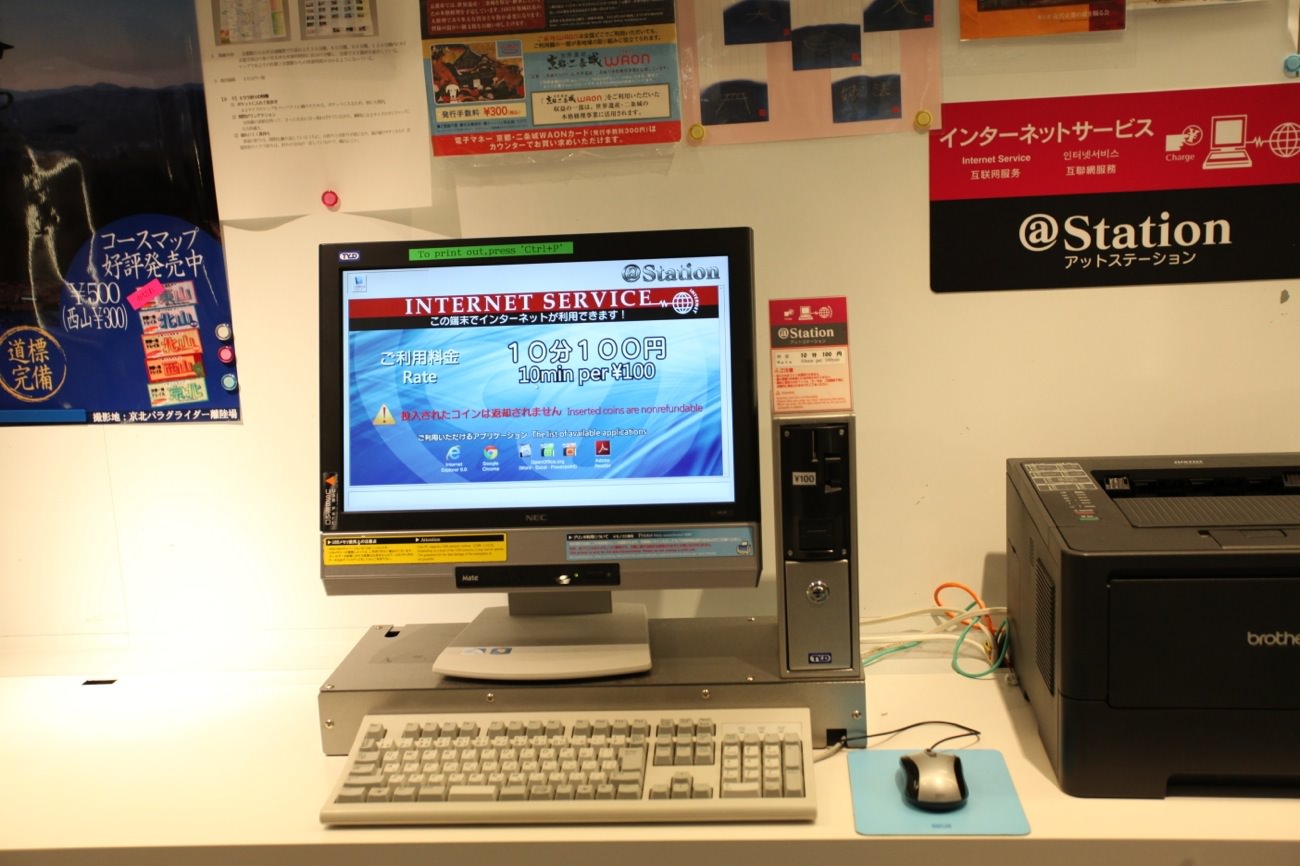
A PC you can use for 100 yen per 10 minutes. Even the browser menus were in Japanese. If you’re going to charge money, I think they should at least add a language conversion feature. Or I wish there were a staff member next to it who could speak English.
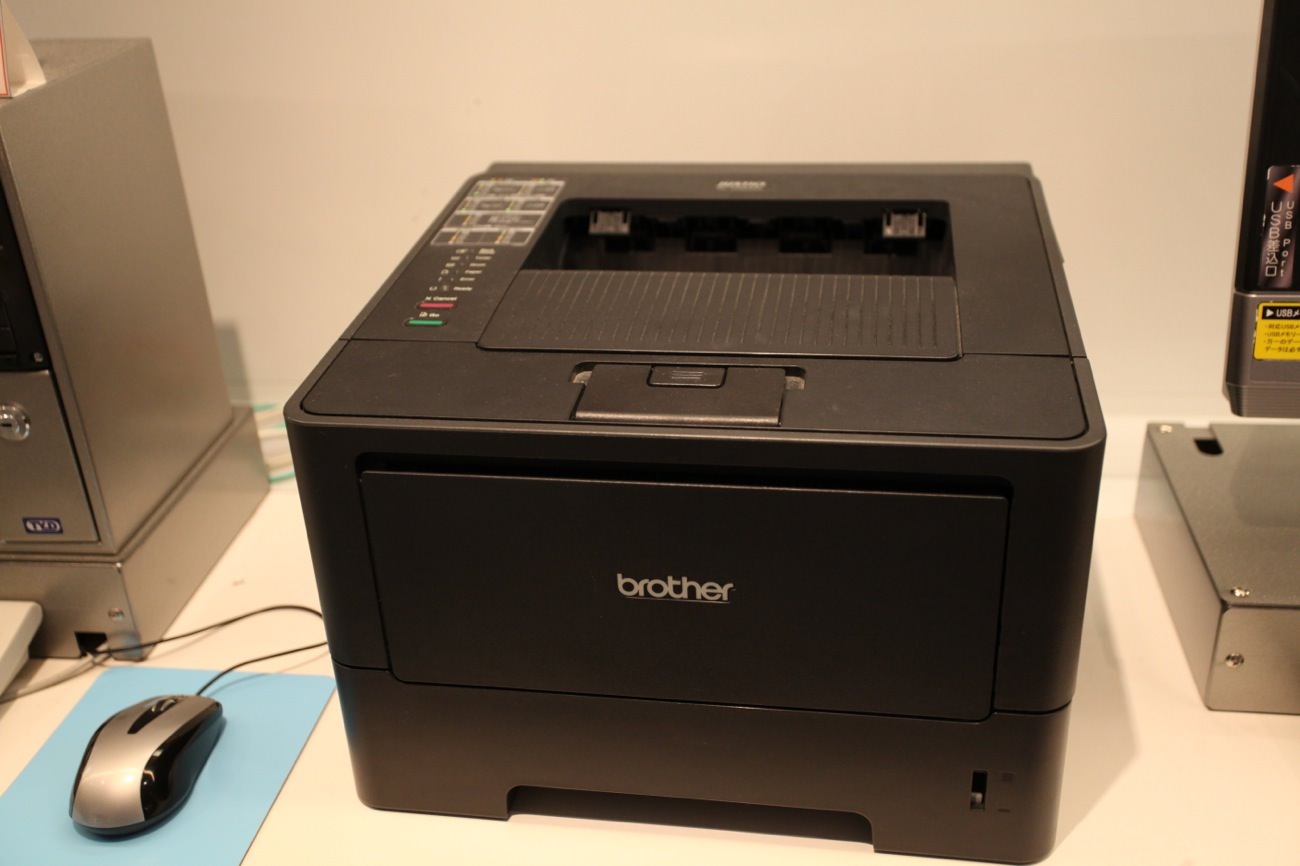
A printer you can use for free.
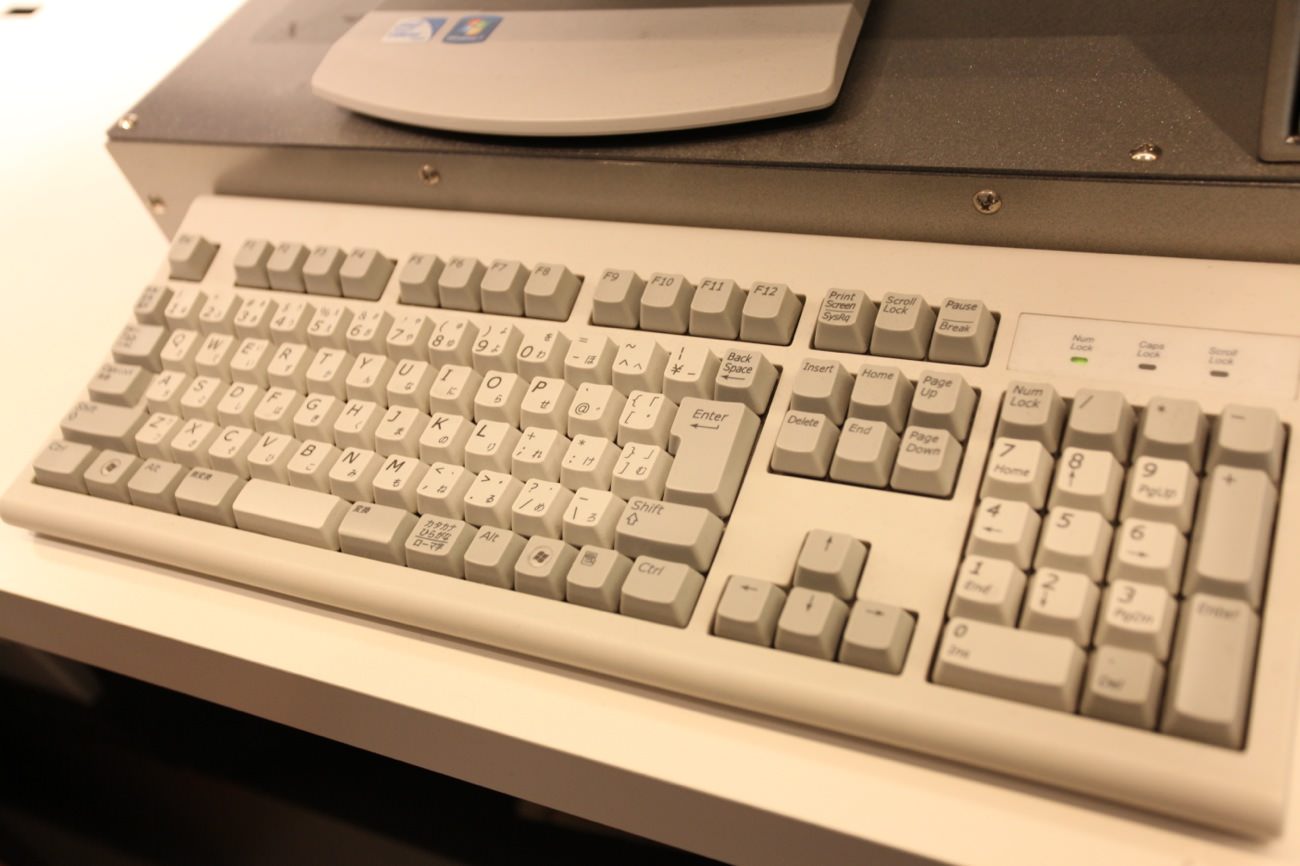
A Japanese keyboard. For foreign visitors, even converting to Roman letters seemed to be a struggle.
When I went to Kyoto last month, I visited the tourist information center at Kyoto Station. I observed the place for about 20 minutes, and as expected there were many foreign visitors. The center has PCs you can use for 100 yen per 10 minutes, and two Americans there seemed to be having some trouble.
I was curious what they were talking about, so I listened in, and it seemed they wanted to go to Naoshima. But no matter how much they searched, they couldn’t find a good route from Kyoto to Naoshima. I had just come back from Naoshima two days earlier, and I’d been to Naoshima three years in a row, so I knew the cheapest way to get there from the Kansai route.
So I spoke to the two Americans. “Do you want to go to Naoshima? In that case, go from here to Sannomiya in Kobe, and from Sannomiya take the Jumbo Ferry to Takamatsu. Naoshima is about 40 minutes from Takamatsu port. The Jumbo Ferry takes about 4 hours, but the view of the Seto Inland Sea from the ferry deck is wonderful, and I’m sure you’ll love it. It’s also much cheaper than taking the Shinkansen, around 3,000 yen.” And I recommended going via Kobe Sannomiya.
At Kyoto Station, it seemed you could print web pages for free even on the paid PCs, so I printed the Japanese transfer-guide page, wrote the Roman letters on it, and handed it to them. I also gave them a MATCHA flyer and my business card.
They were thrilled, and I was simply happy, and it reminded me of when I was traveling abroad. What I mean is that the thing I spent the most time researching while traveling wasn’t local food or lodging information, but how to get to the place.
Fuller “How to” Information
To give an example, during my trip around the world, I remember spending several hours, spread over several days, researching how to get from Dahab in Egypt to Jerusalem in Israel. While considering safety concerns and checking bus times and so on, it took quite a lot of nerves. In the end I arrived at a place I couldn’t make sense of, and hitchhiked to the border.
For many people, travel is limited time. In terms of improving the value of the experience there, I feel that enriching this kind of route information, what we call “how to” information, is urgent. What is a matter-of-course convenience for Japanese people is nothing but inconvenience to foreign visitors who don’t know it.
I’m well aware that MATCHA still lacks perspective aimed at overseas readers. More and more foreigners will come to Japan from now on. As one of the issues in inbound tourism, there are countless things we can solve, and little by little, I want to make this a better media.
▼ We’re looking for people who want to share what’s ordinary to Japanese people with the world, or who have traveled all over Japan. There are things we’d like you to write.
→ MATCHA GROUP Member Recruitment
▼ We’ve renewed our company website.
→ Sen Inc.
We’ve also begun, little by little, offering menu translation and advice on regional inbound measures.