August 2017
An Average Monthly Salary of $20? The Shock of Socialist Cuba
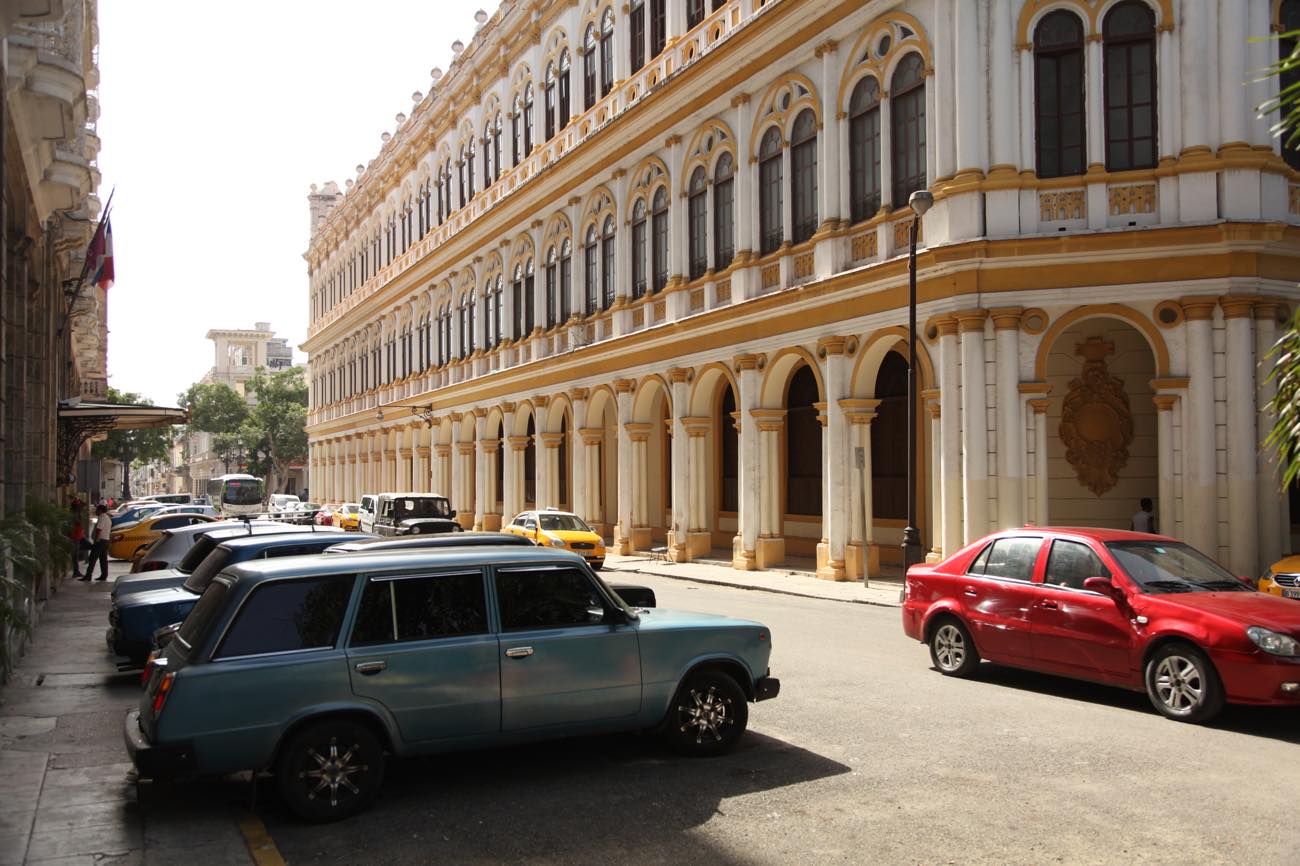
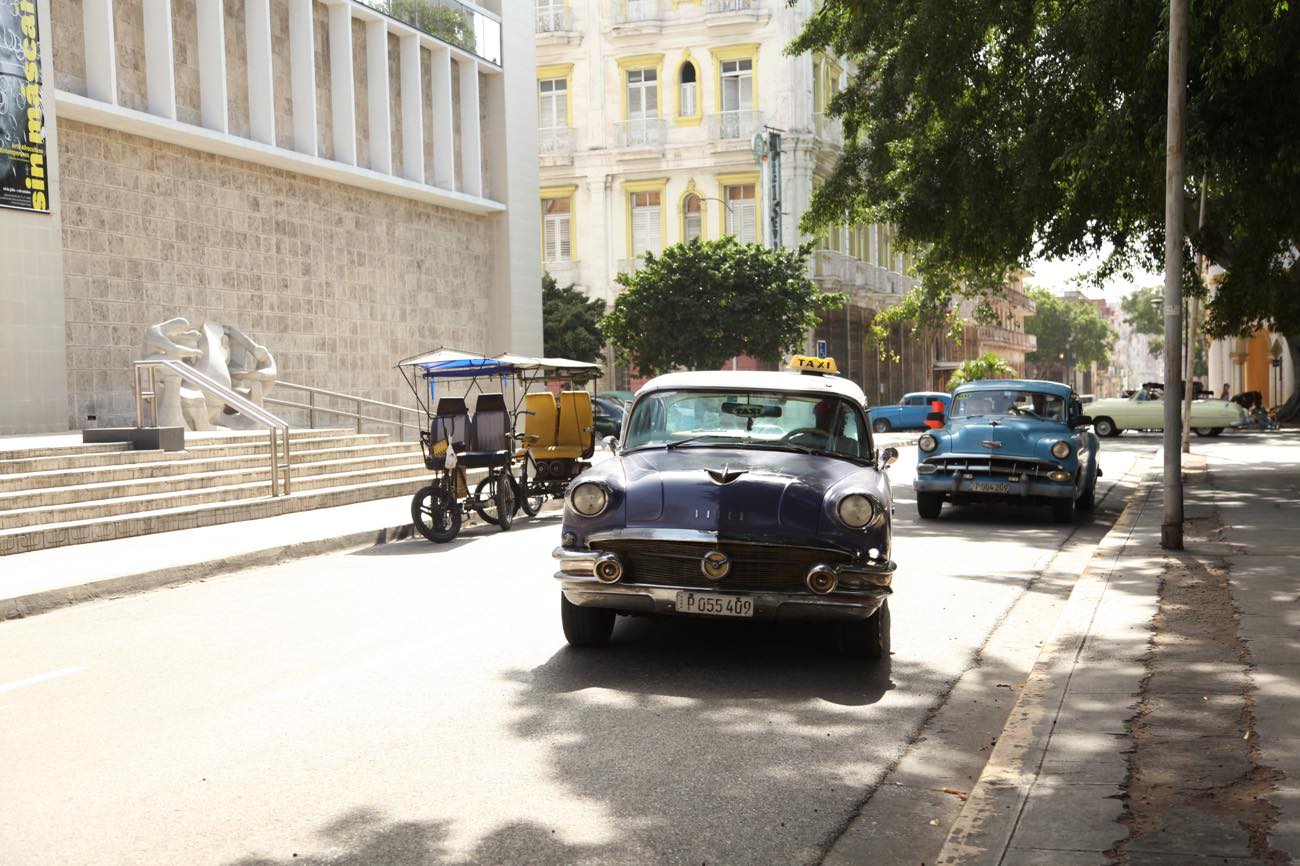
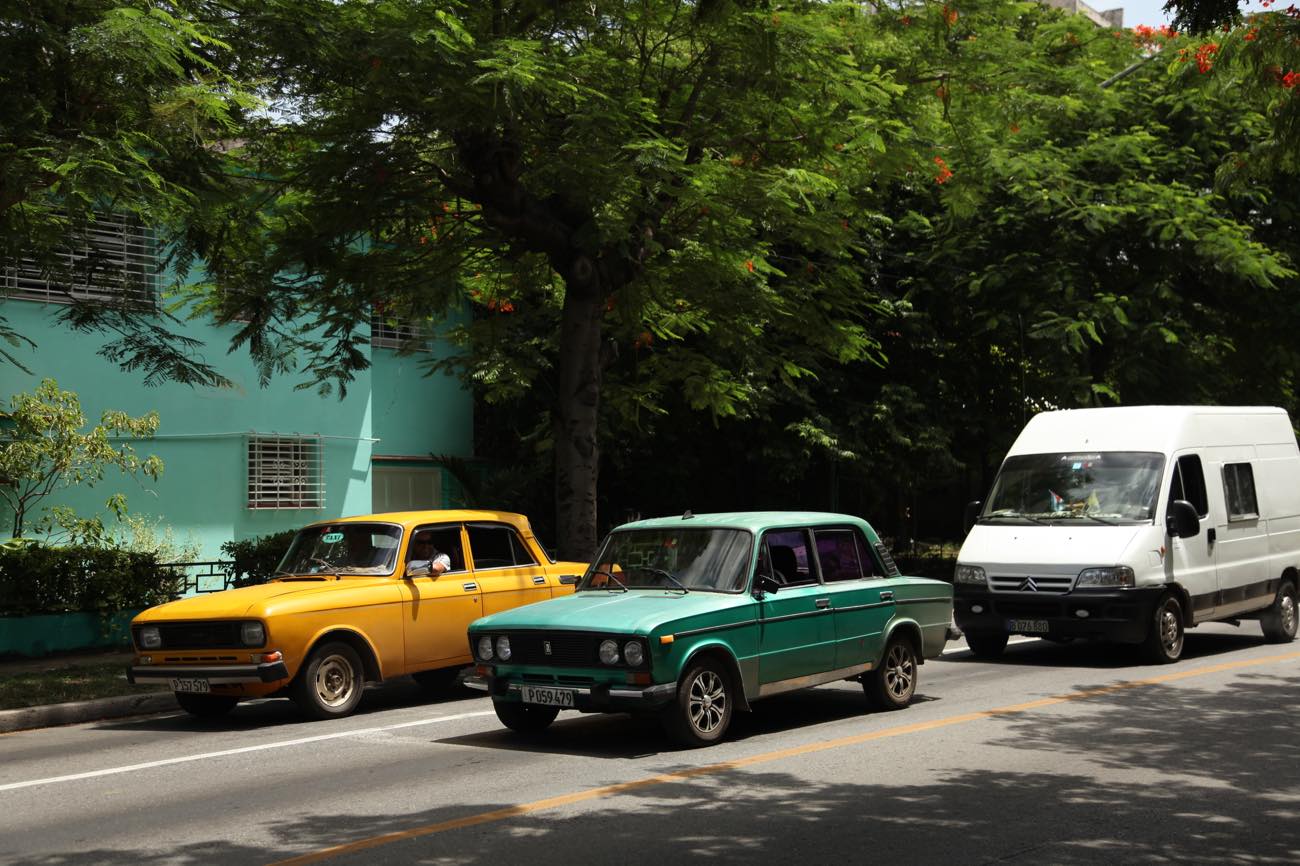
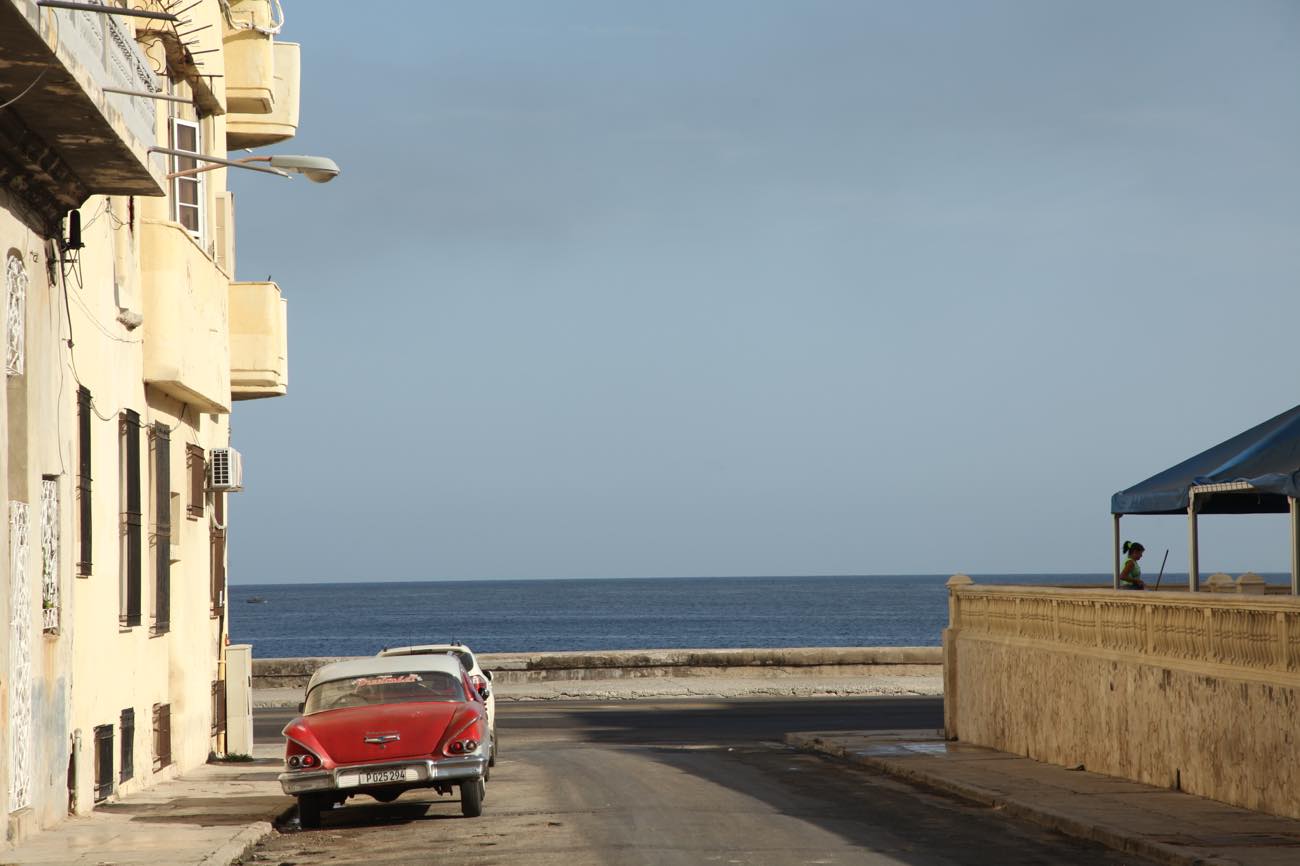
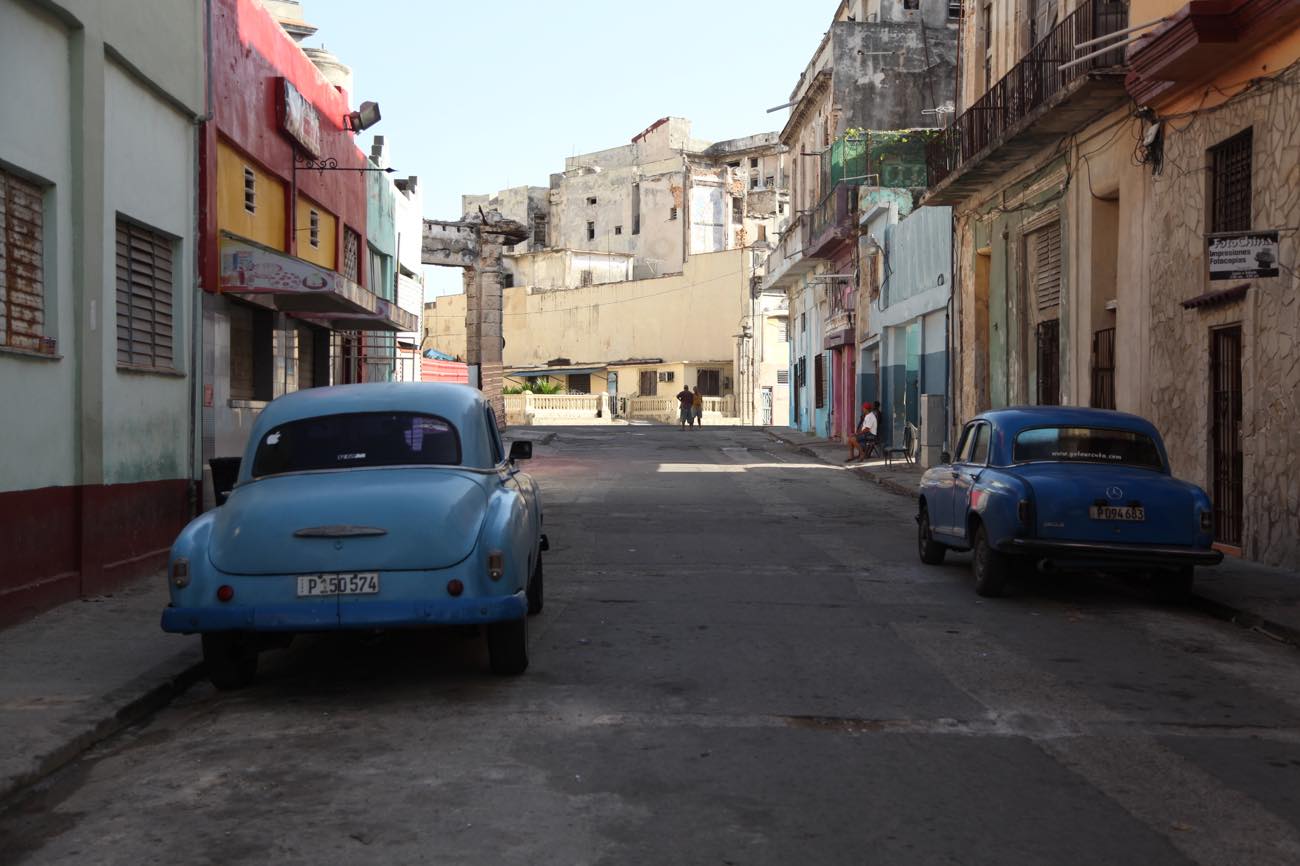

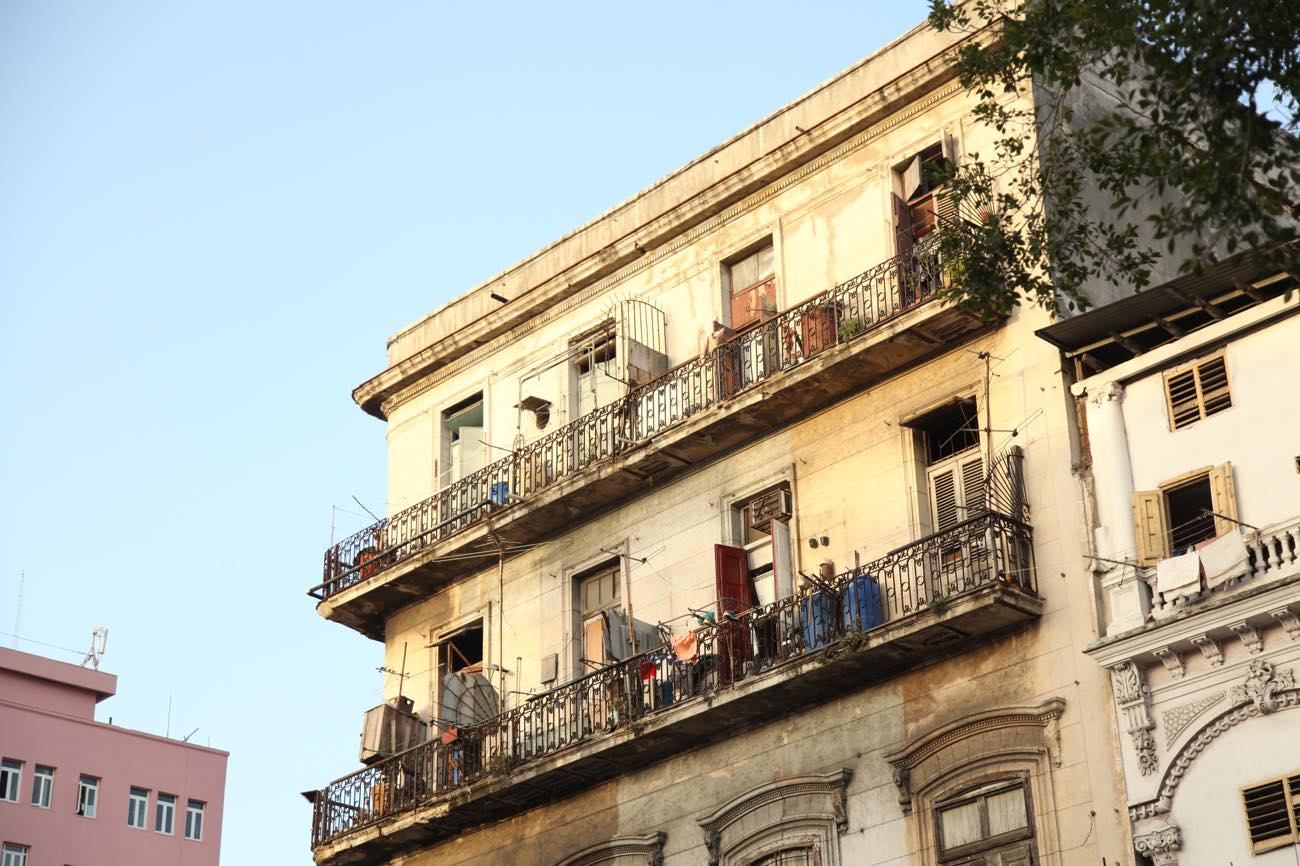
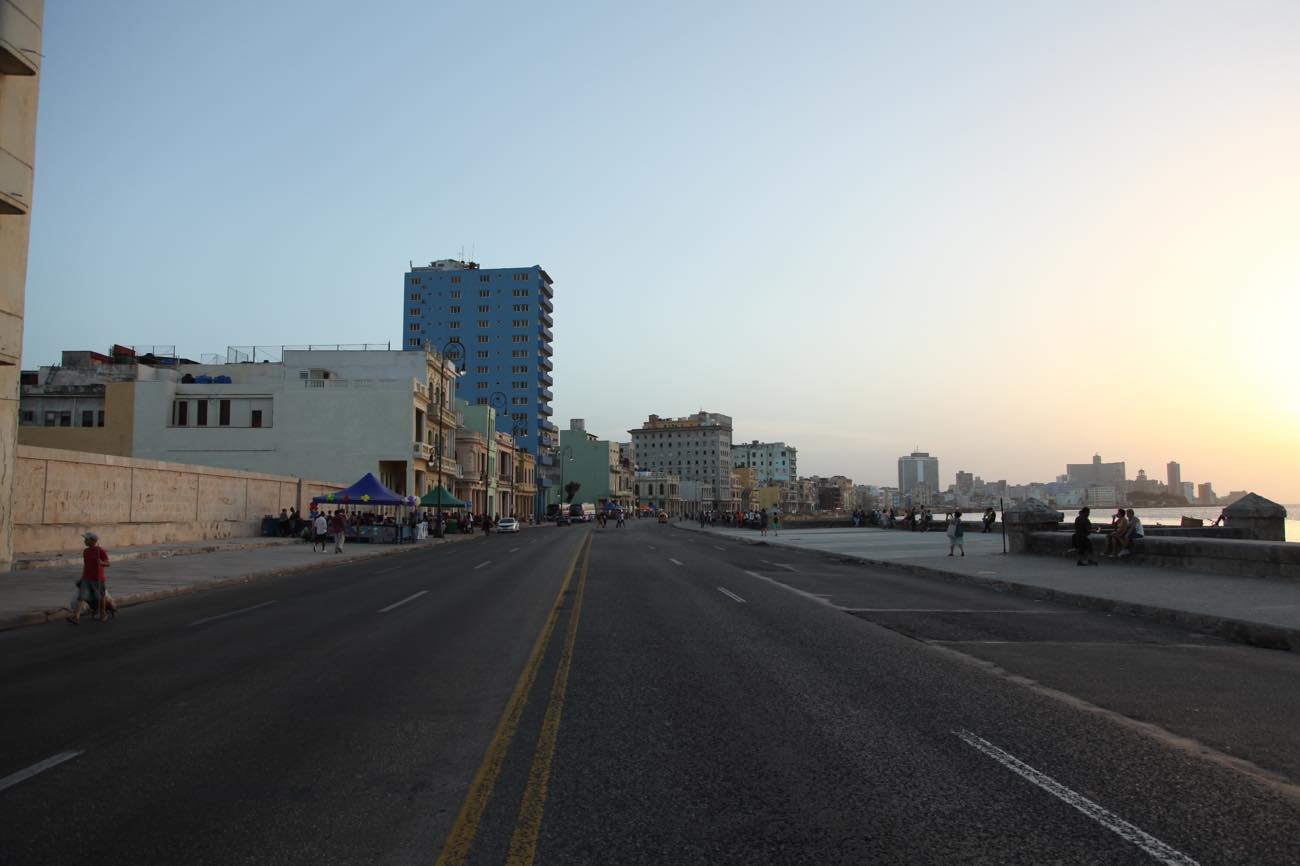
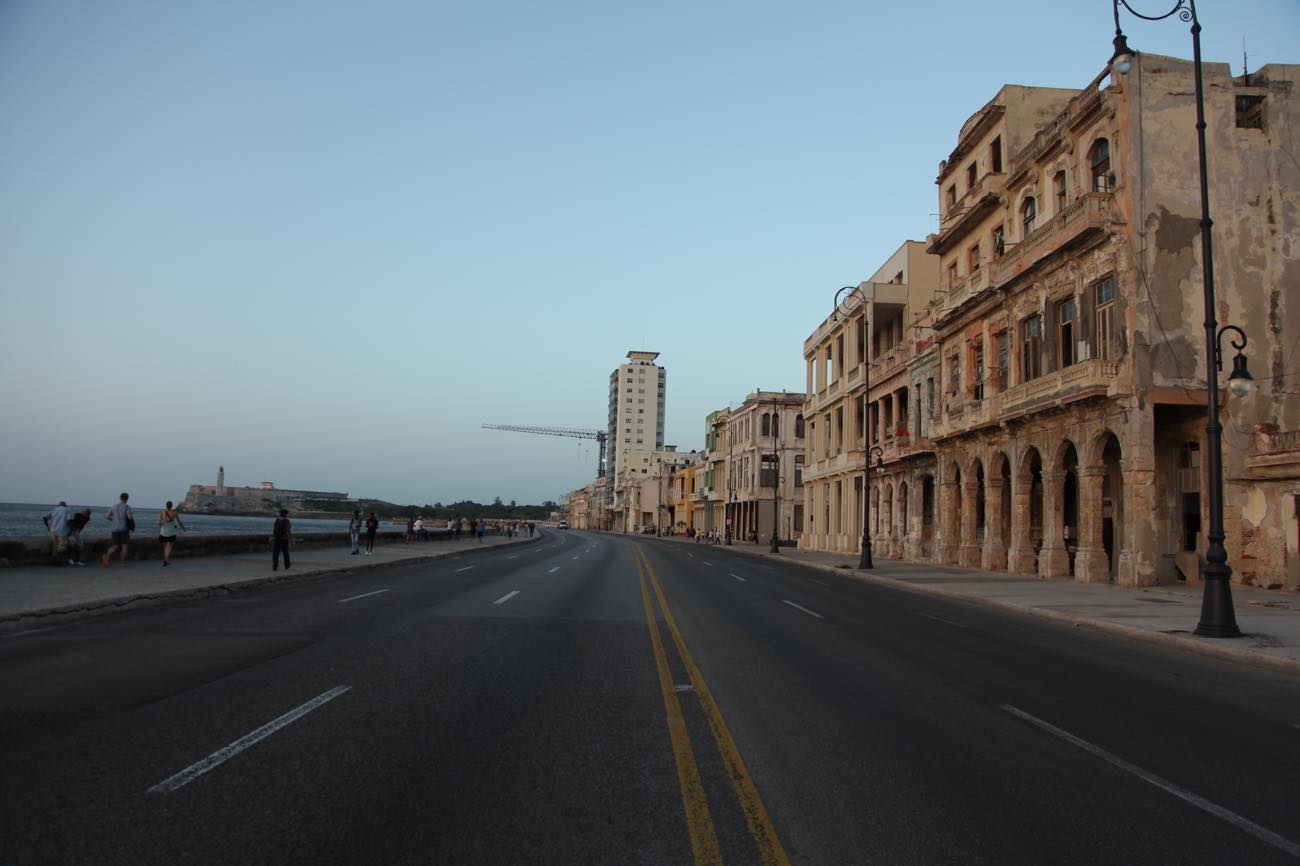
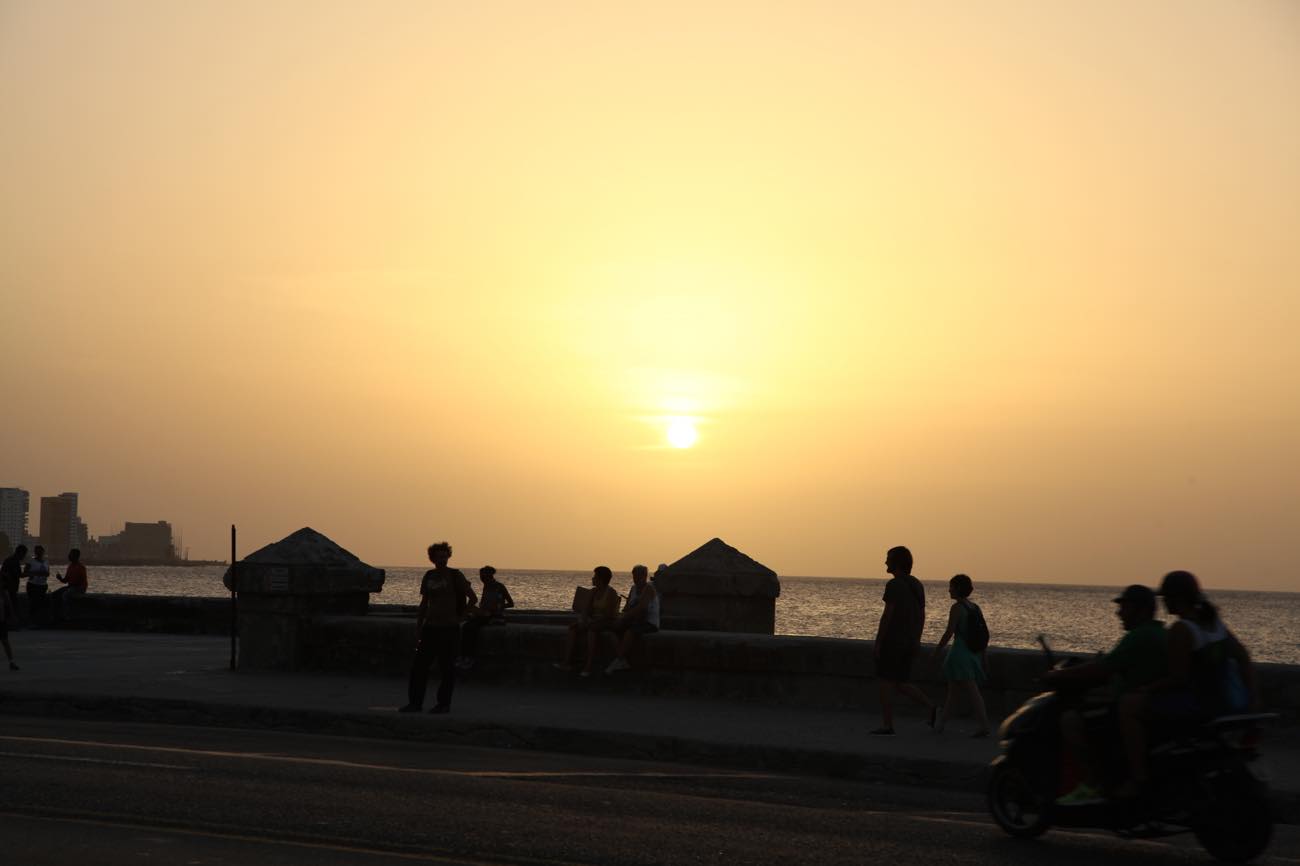

Sunsets are beautiful everywhere.
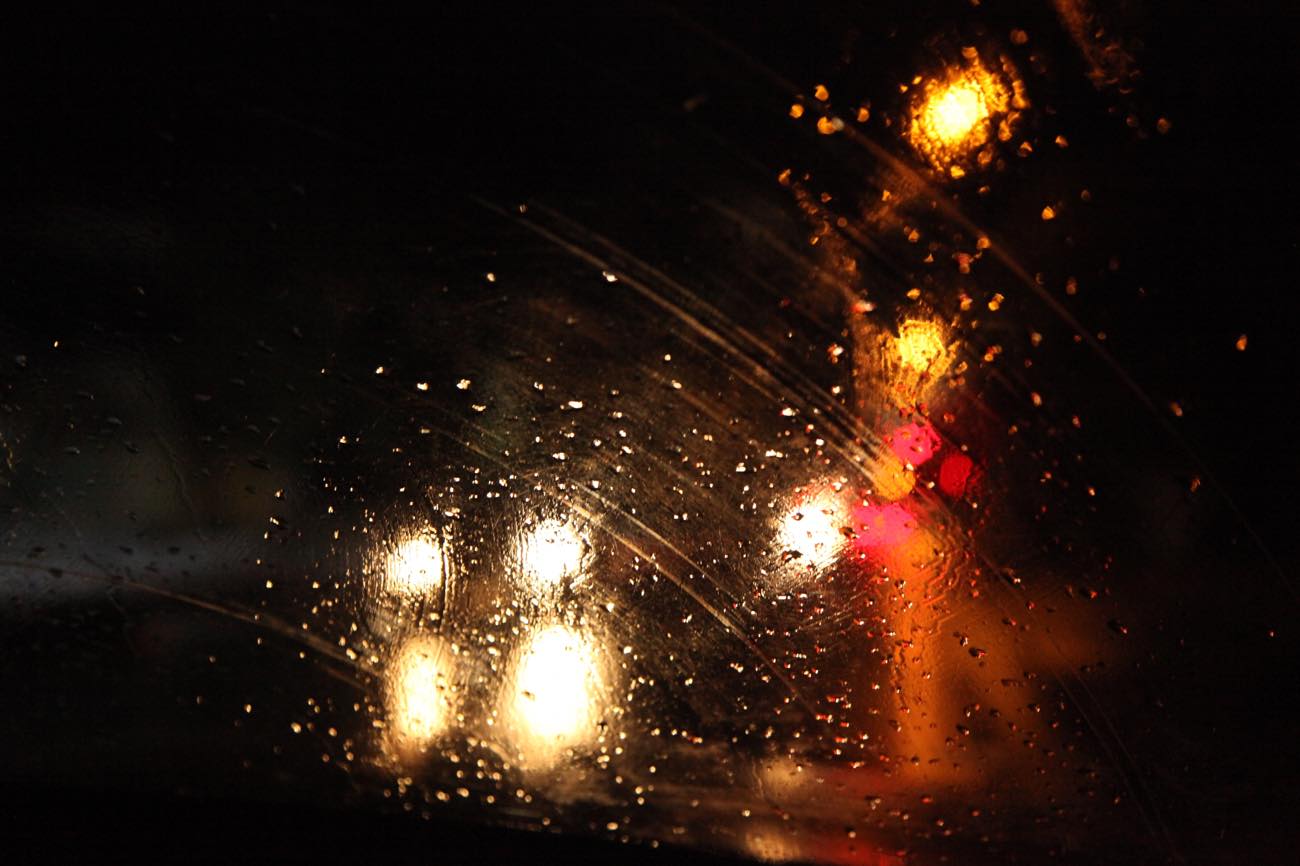
At night, it sometimes rains as if someone had overturned a bucket.
What image comes to mind when you hear “Cuba”?
A socialist state, a country with beautiful beaches, Latin America, a paradise of classic cars, a country under US economic sanctions, salsa, Cuban music…
Since it’s close to Mexico, I used a weekend to go to Cuba.
I’m not someone who knows salsa or Cuban music all that deeply, but many people had told me that it’s a socialist country and that I should see it now.
Cuba has two different currencies, an average monthly salary of $20, internet restrictions stricter than China’s, and young people changed by Airbnb…
That’s my impression after actually going. As the saying goes, seeing is believing; there’s a lot you can’t understand without going.
A country with two currencies
Cuba is a country with two currencies: the CUP, used by locals, and the CUC, for travelers.
One CUC is about one dollar. Even for the same item, there can be a price difference of nearly 100 times.
The reason for this is that local prices are so low that, in the local currency, it couldn’t generate tourism revenue.
At the airport, I used a credit card cash advance to withdraw about 100 CUC.
If you don’t understand the difference between CUC and CUP banknotes, you won’t be able to tell whether your change is being given in CUC or in the local CUP, so be careful.
An average monthly salary of $20
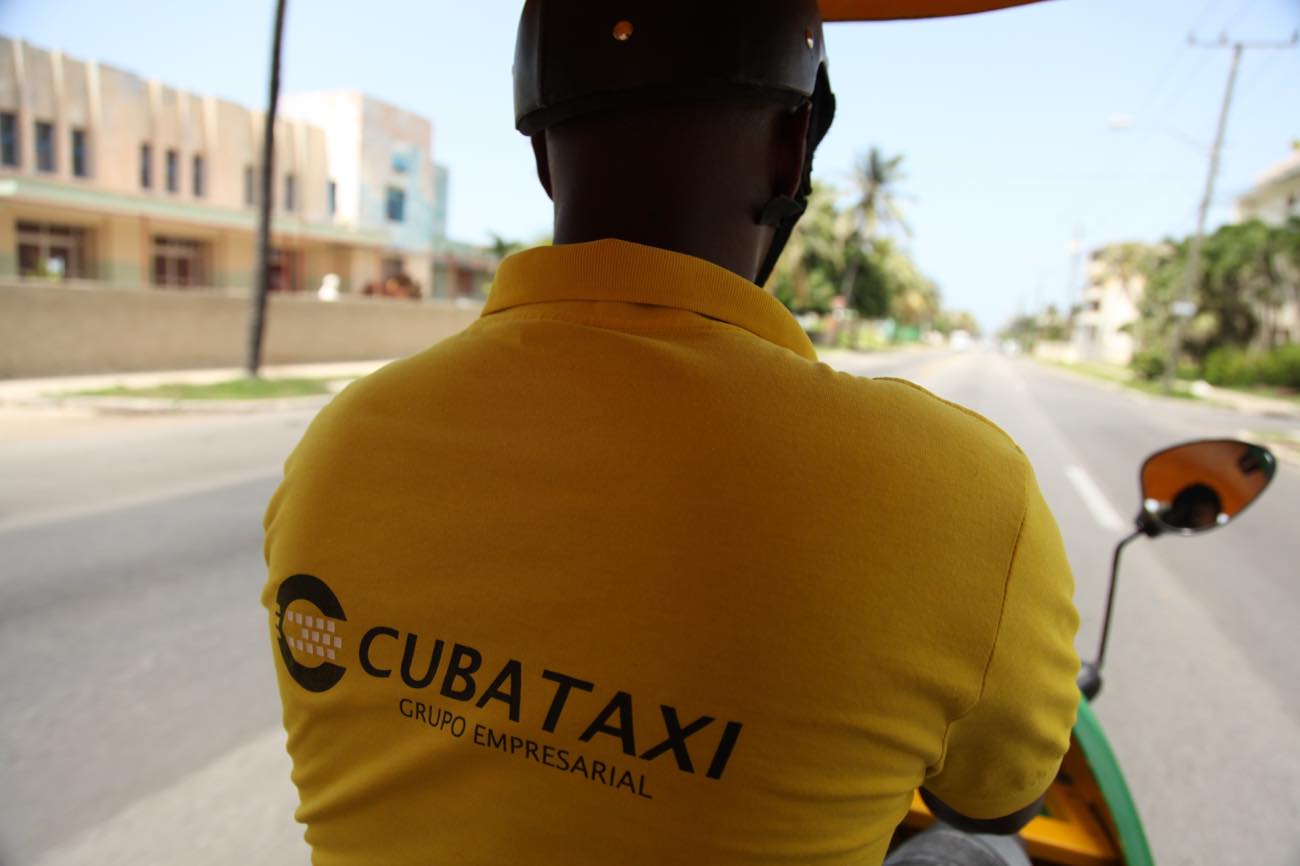
The tuk-tuk-like taxi I used.
The average monthly income in Cuba is said to be $20. 99% of the population has never left the country, and most people in Cuba’s provinces have apparently never even been to the capital, Havana.
By the way, a taxi ride costs 5 to 15 CUC (about $5 to $15) each time. Airport taxis cost 25 CUC. So are the taxi drivers making good money? Apparently they have to pay the state about 600 CUC a month…
Also, I haven’t looked into the details, but I get the feeling that a big fee is deducted when converting CUC back to CUP.
Strict internet restrictions
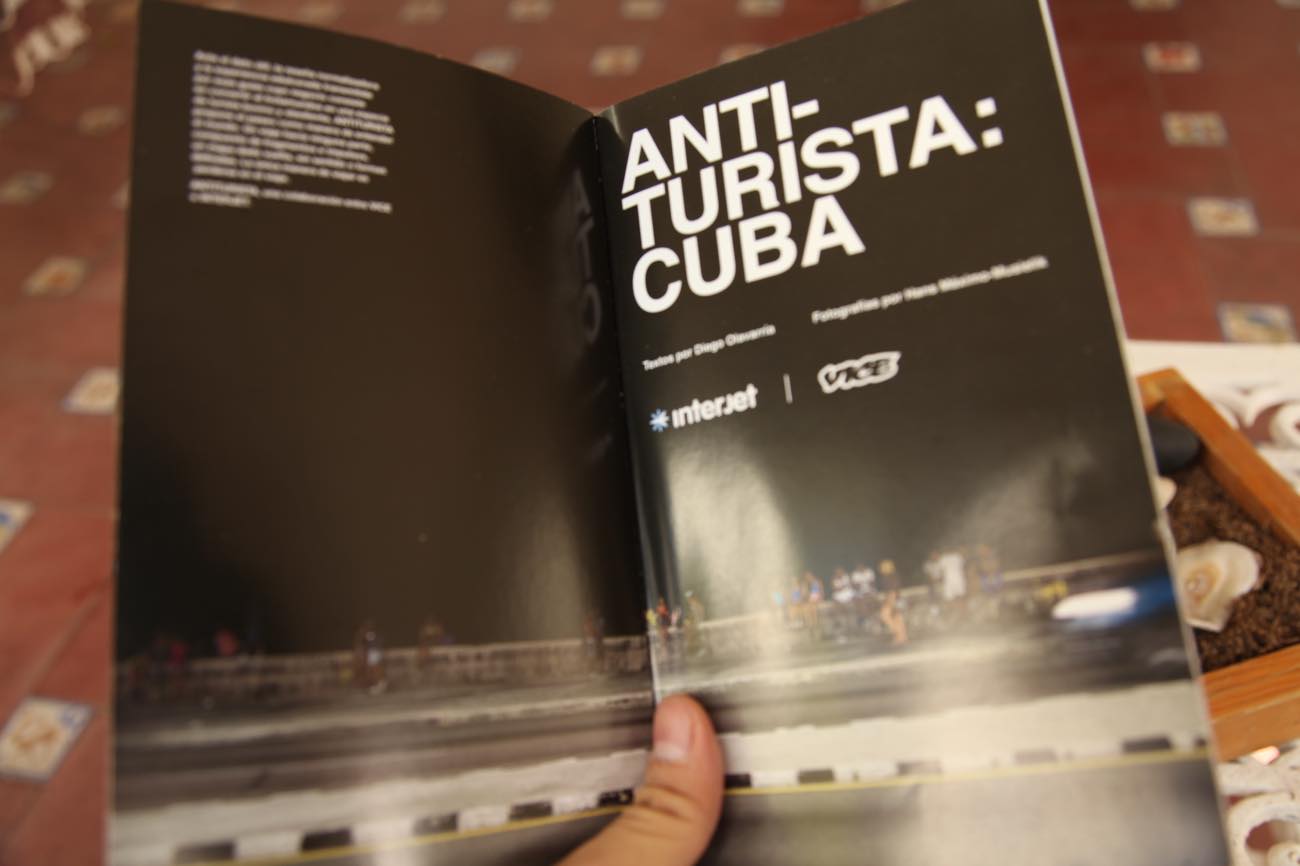
A VICE travel pamphlet. I should have taken it home.
Cuba has heavy internet restrictions. It’s not at the level of China, where Facebook and Google can’t be used. It’s a country where the internet isn’t open to the general public.
If you need it, you have to buy a Wi-Fi card (about 200 yen per hour) from a telecom company called ETECSA and use it at hotels or plazas with Wi-Fi. When I first heard this news I thought, no way… but it was really true.
On top of that, the speed is very weak, and it takes a long time to load each site. And given the local average salary, people can’t afford it, so it’s hard for them to use the internet in daily life. I’m told the government is expanding access in stages.
Meeting a young man through Airbnb
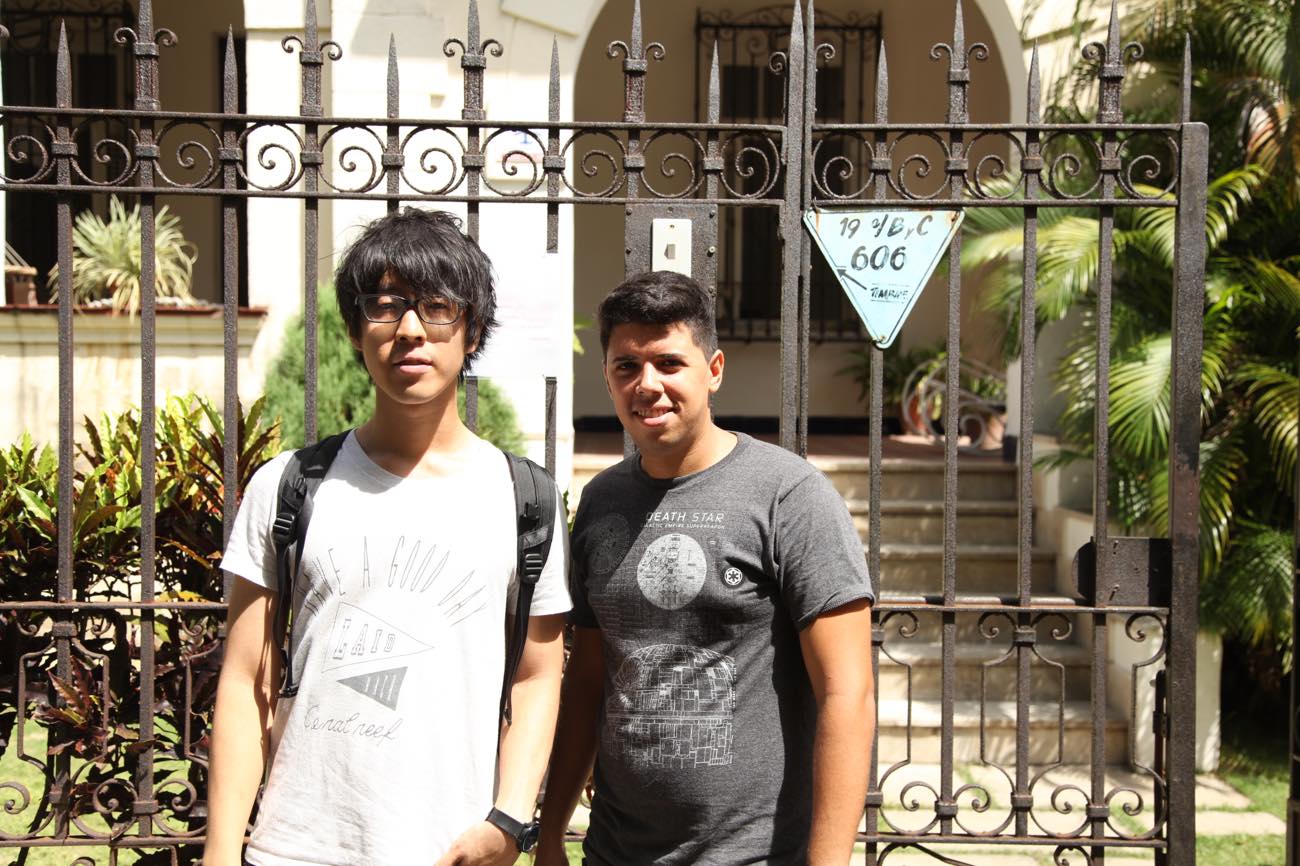
Me and my Airbnb host
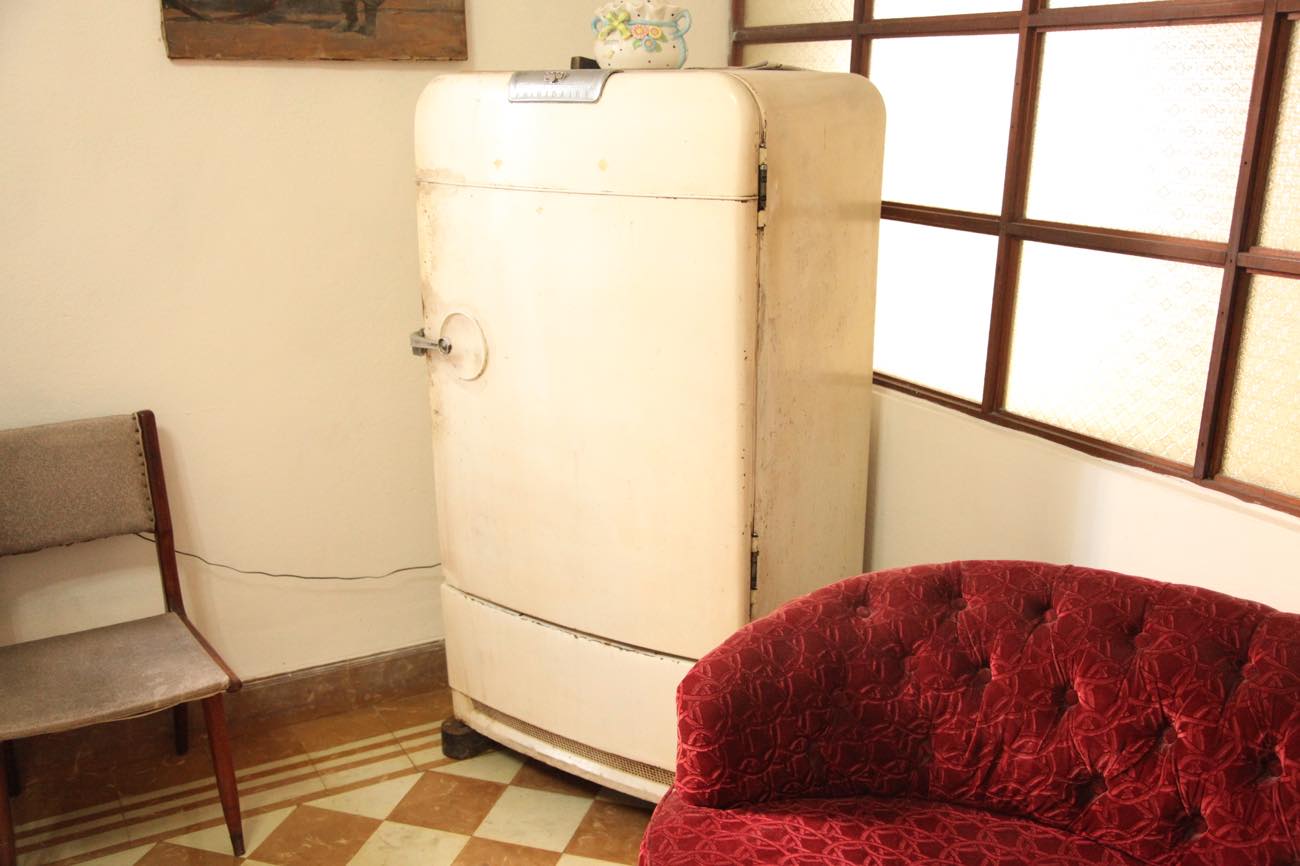
A retro refrigerator. I forgot to take a photo of the inside of the room, but it was clean and comfortable.
Meeting the young man I met through Airbnb was interesting.
He graduated from university in Havana and works for the government as a systems engineer. His monthly salary is $40!
When he started Airbnb while working, he earned a whole month’s salary from just one night in one room. His monthly income now exceeds 100,000 yen, and some months reaches 200,000. In a month or so he earns what an ordinary person earns in two years. He lists three rooms at 4,000 yen a night, and when all are full it comes to over 300,000 yen. In Cuba, that income is incredible.
By the way, he also used his engineering knowledge to get free internet. It’s a bit gray, I think.
When I asked, “What’s the next step for this business?” he said he wants to improve the house further and raise the price per night. And that from next year onward he’d like to move to the US with his family.
I thought this young man was amazing, and I felt how Airbnb creates opportunities for people around the world and changes many lives. A service that changes the world must be something like this.
Losing my iPhone and being held by the police for about 3 hours
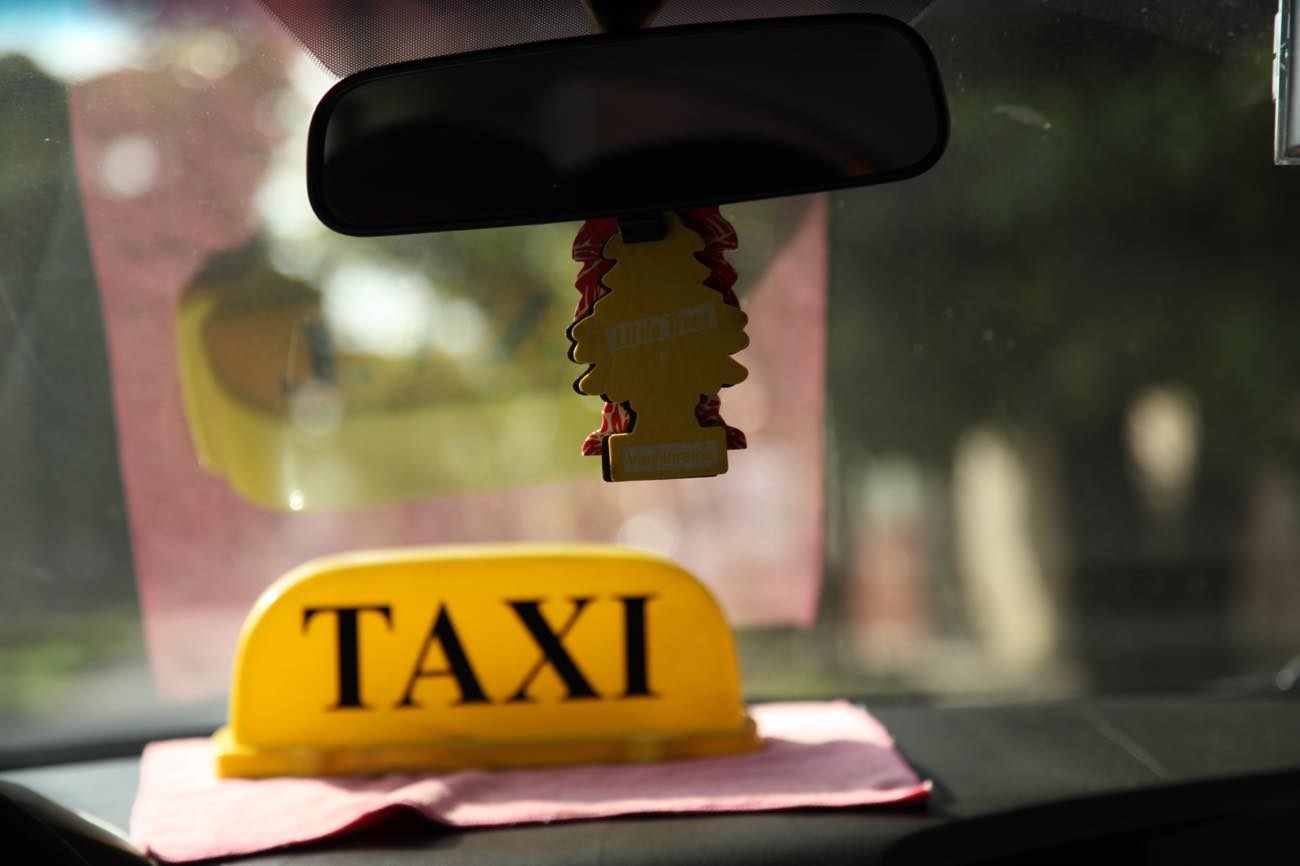
I lost my iPhone in this taxi.
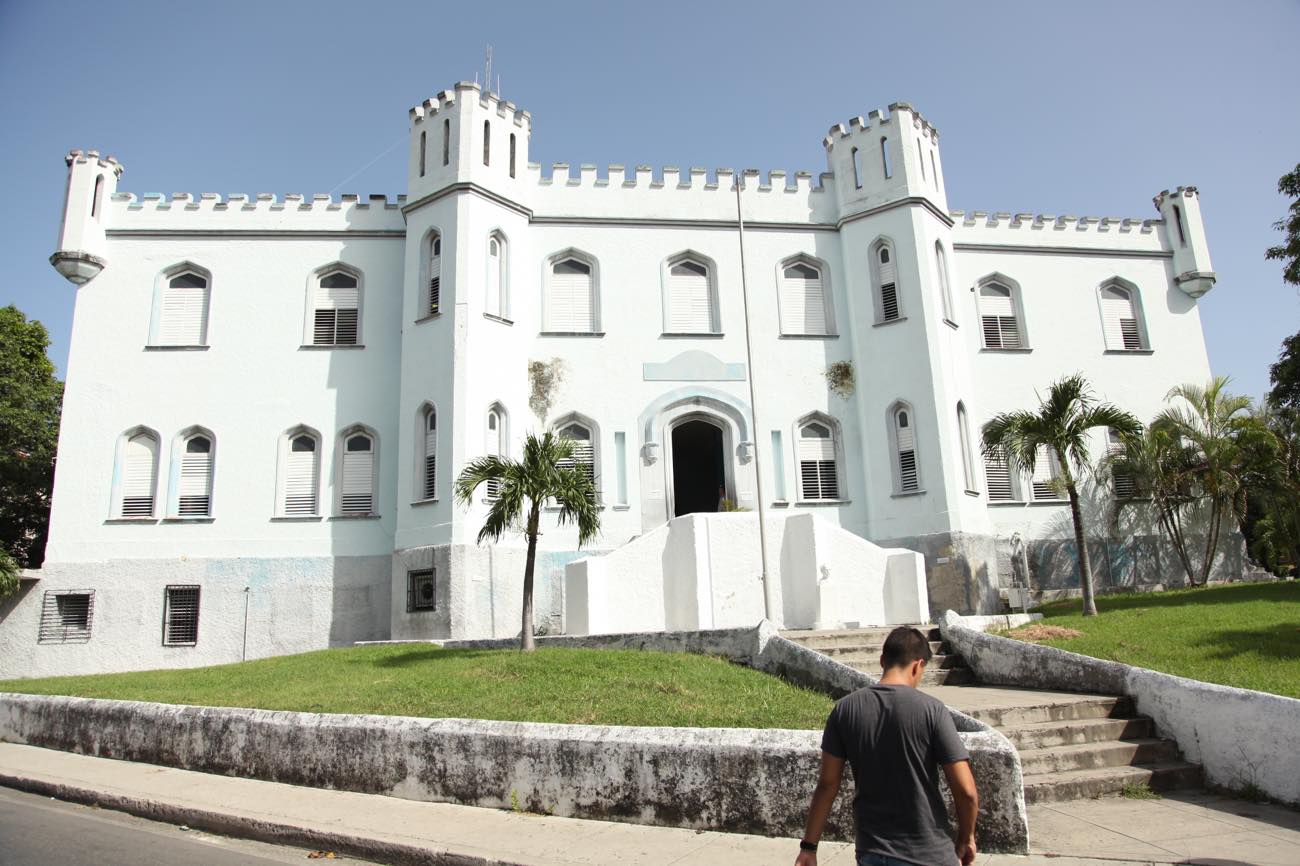
Cuban police station No. 1. It looks like a castle.
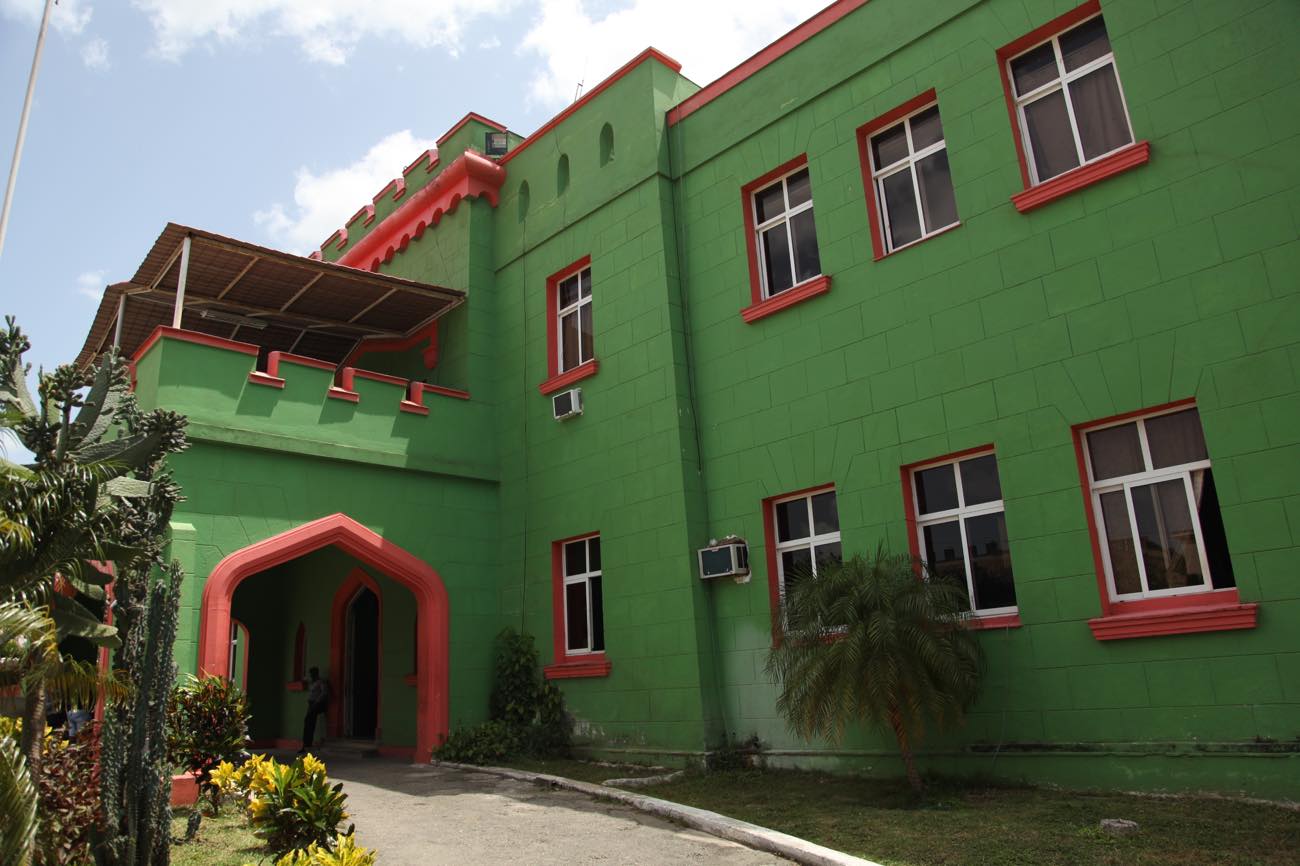
Cuban police station No. 2. Impressive only on the outside.
Incidentally, I lost my iPhone in a taxi on the way to the Japanese embassy, and spent about 3 hours with the police.
The purpose was to get a police report issued. There was no way the iPhone was ever coming back.
“No matter how hard they work their pay doesn’t change, so the police here don’t try. They don’t work. It’s ridiculous,” said the young man I met through Airbnb.
It’s better to state clearly from the start “why I’m here and what I want,” and proceed from there. If you’re careless, you could end up there for more than half a day.
I also had my credit card in the iPhone case, so I stopped it by borrowing the consulate’s international phone.
Honestly, my feeling was, “Can a country like this really exist?”
After this, I met various people and heard that in Cuba you should rent a car.
I got lots of tips: there are places serving really delicious Cuban food, Google has set up a technology center, and if you drive about an hour there are good beaches…
I don’t know when I’ll go next, but when I do, I want to travel making use of what I learned this time.