January 2018
Touching Japanese Culture in Pitch Darkness
How many people have experienced true darkness?
Not a single ray of light gets in, and even if you hold your hand in front of your face, you can’t even tell your hand is there. That kind of darkness.
Yesterday I went to Dialog in the Dark for the first time in two years.
Dialog in the Dark is entertainment in pitch darkness.
Visually impaired people who cannot see serve as attendants, and you have various experiences in the dark.
The theme I experienced this time was experiencing Japanese culture.
I love DID. Ever since I first tried it seven years ago in Gaienmae, I’ve been so hooked that I’ve gone abroad too, to Frankfurt and the US. I think what I like is the concept of this event: having a dialogue with myself and others in total darkness, and creating one way of working.
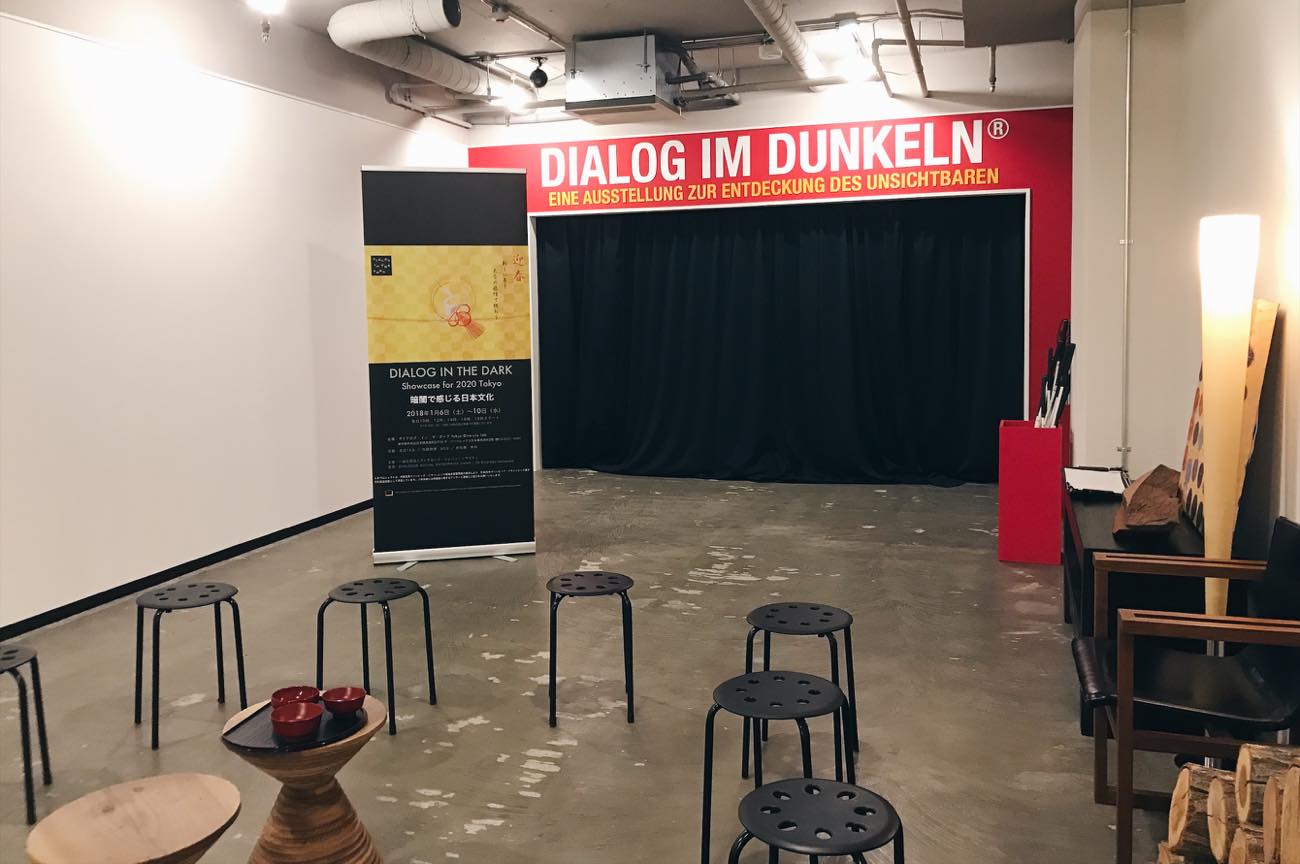
The entrance to the venue. DID originated in Germany, and the letters on the red entrance are in German.
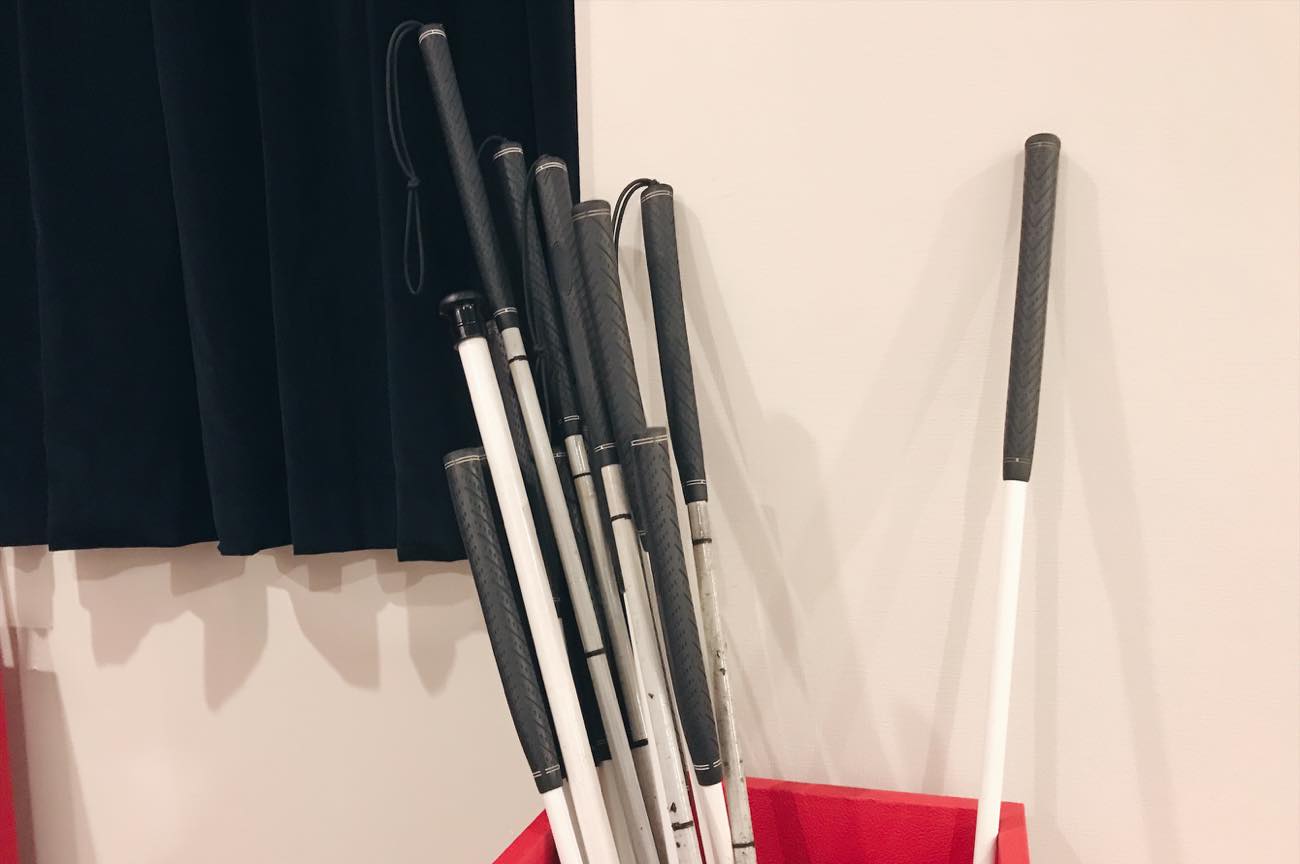
This is the white cane used in the dark. I couldn’t walk at all without this cane.
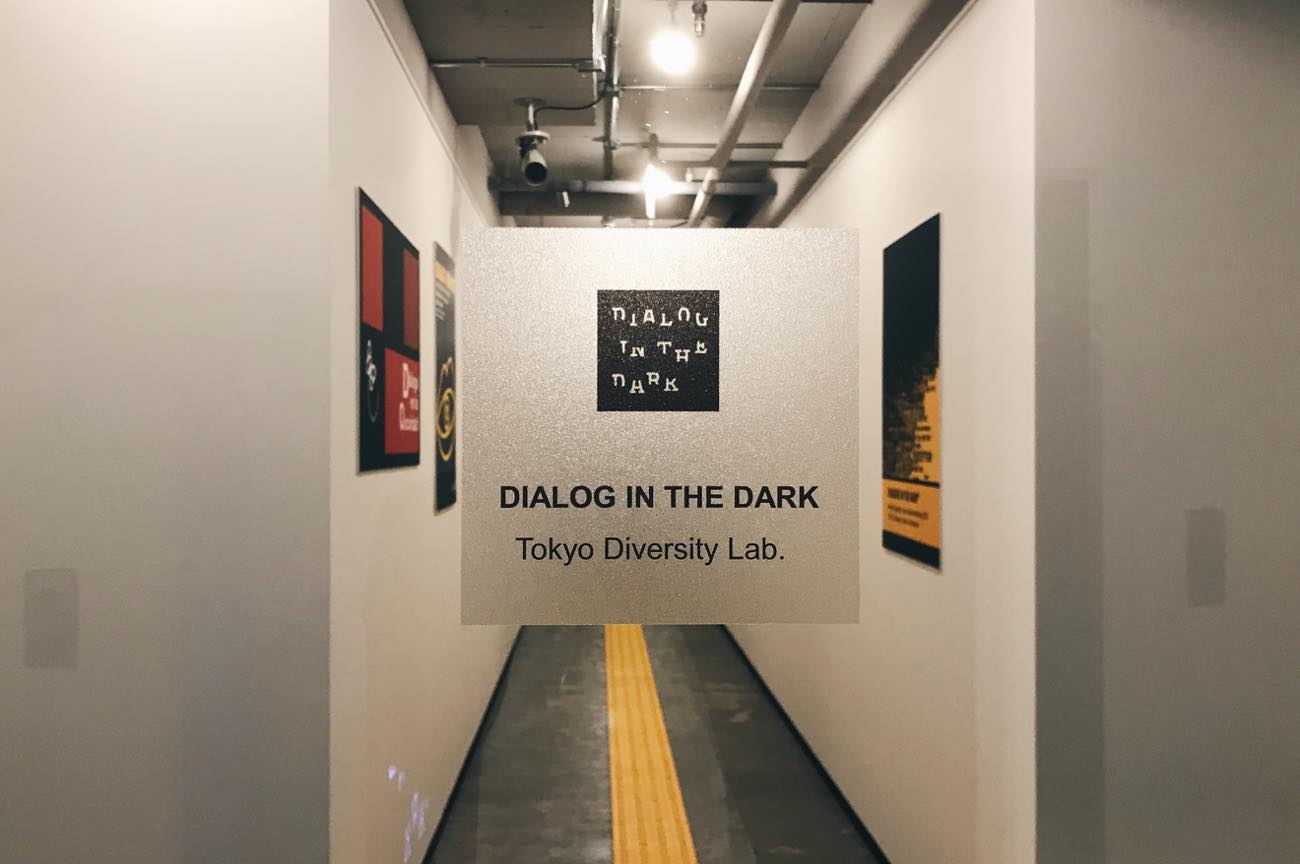
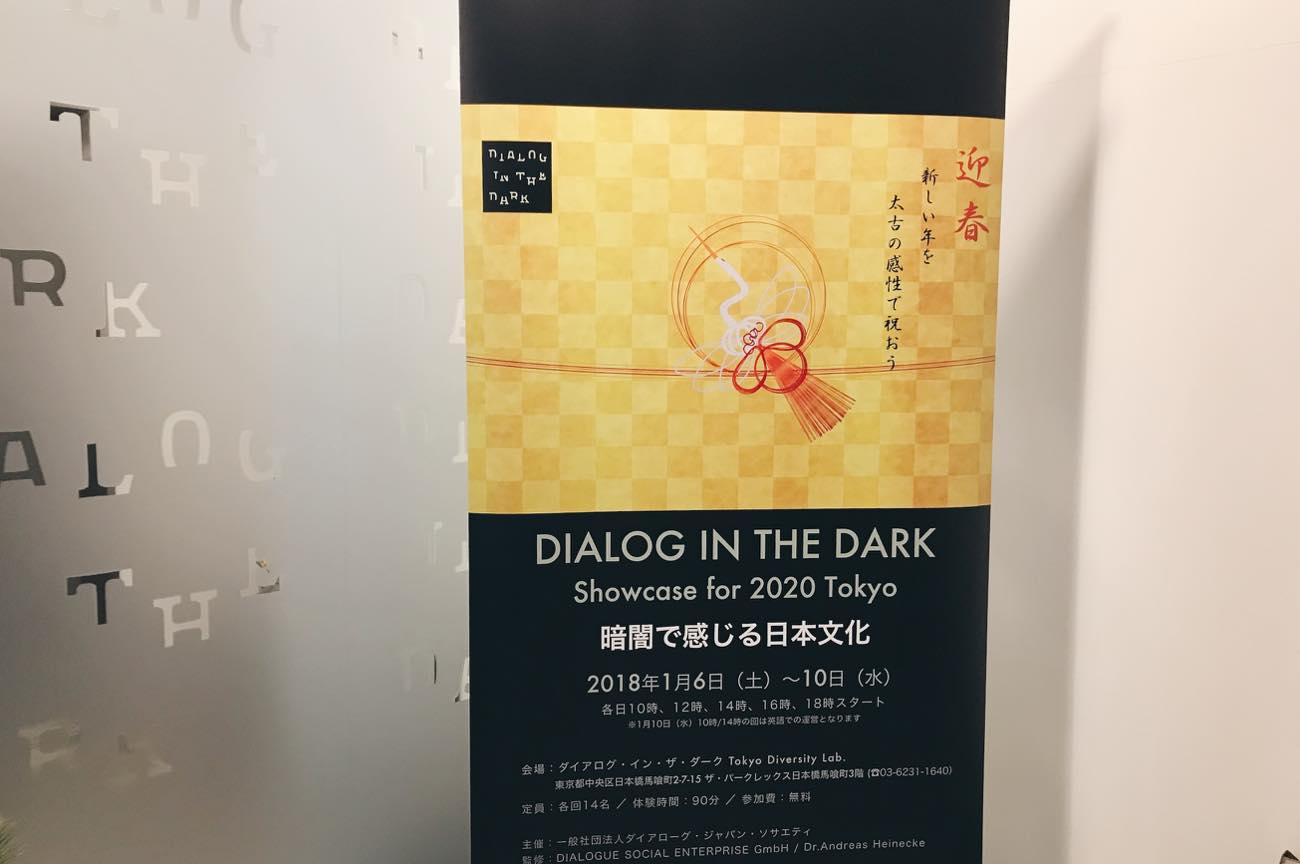
The DID logo. Six years ago I saw this logo in an acquaintance’s mixi post and just had to go. The Japanese one expresses that space and experience better than the overseas ones.
Touching Japanese culture in pitch darkness.
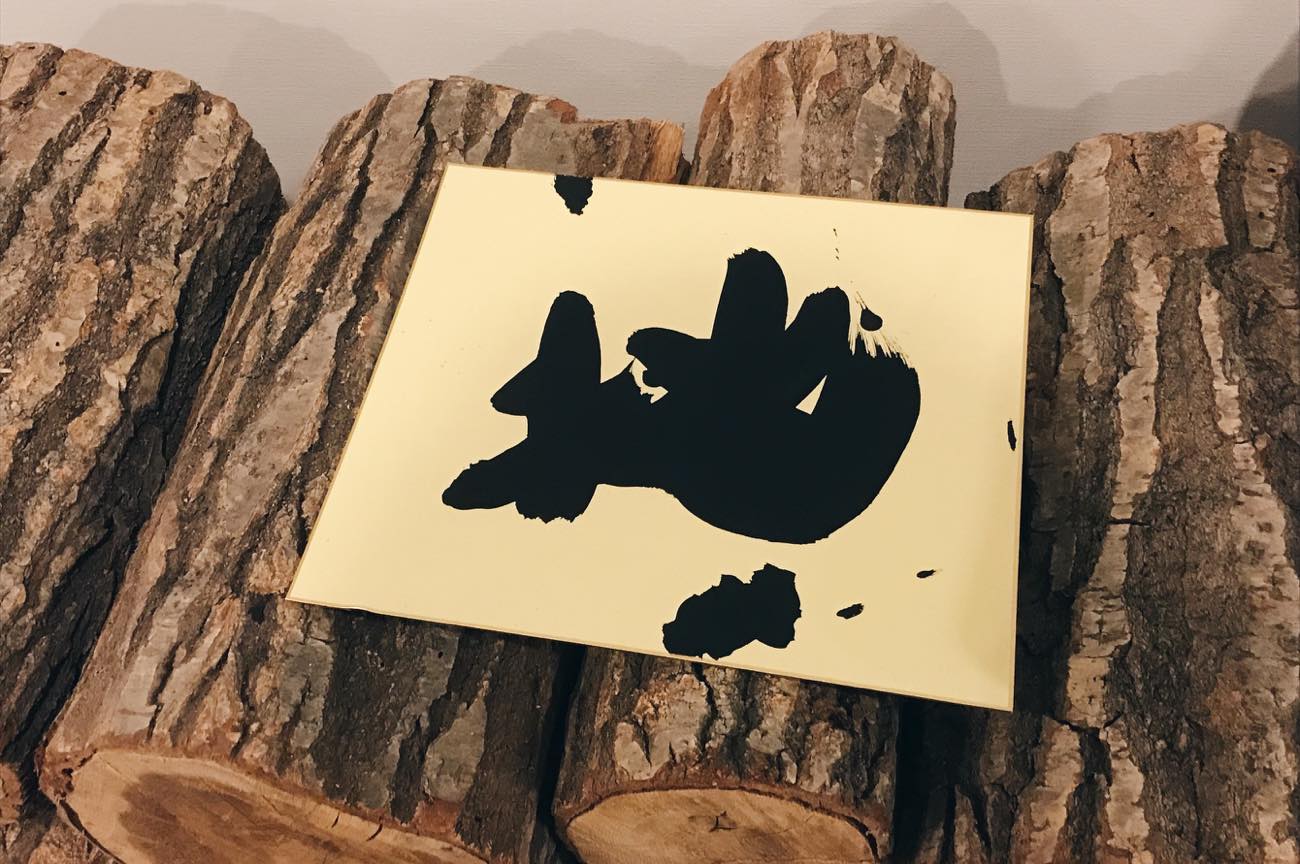
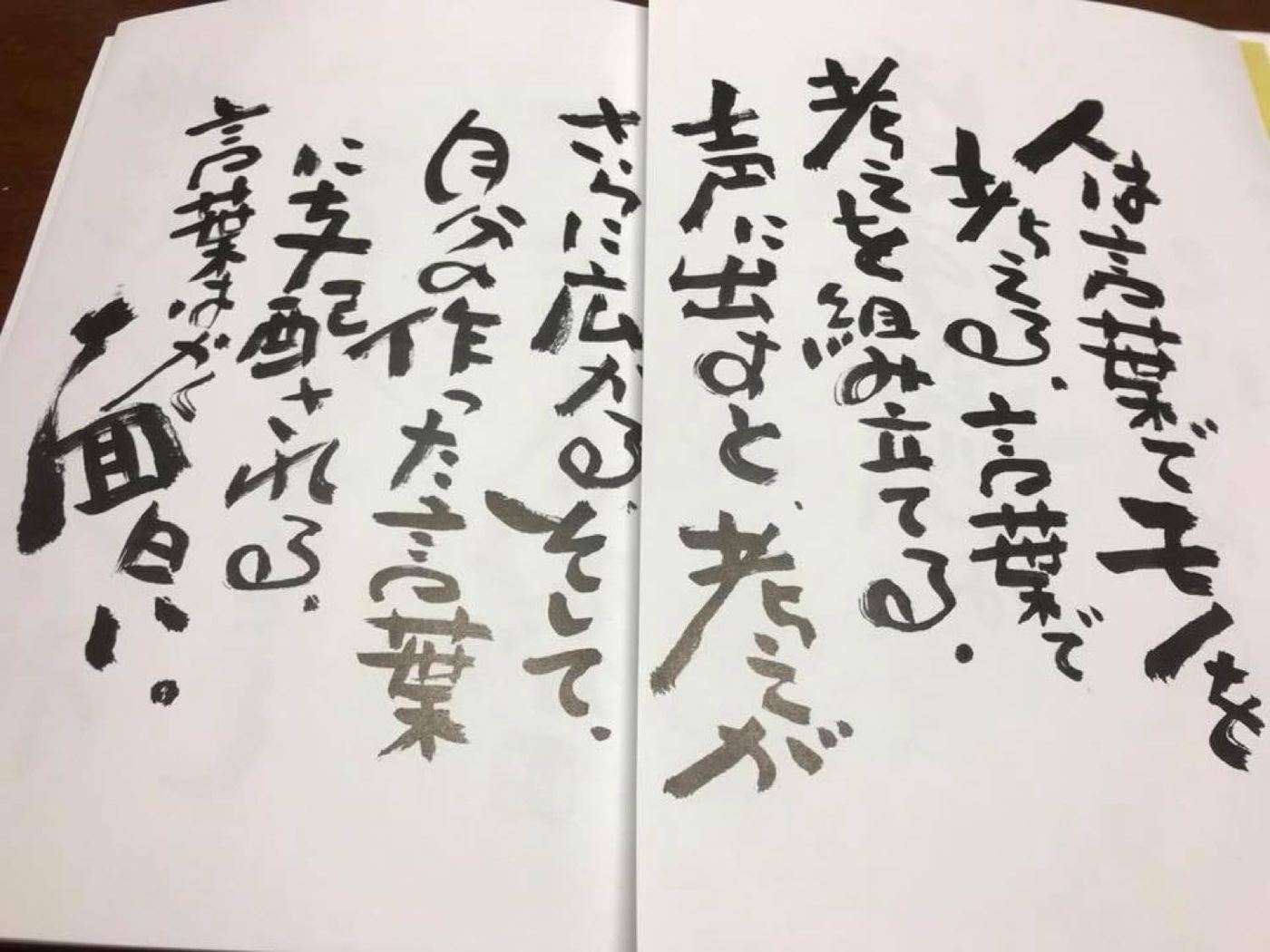
The first calligraphy of the year (kakizome) I wrote in the dark
In the darkness this time, I listened in three dimensions to sounds that evoke Japan’s four seasons, did kakizome (New Year’s calligraphy), and ate a mikan (mandarin orange) while inside a New Year’s-like place. Doing calligraphy in total darkness was fun, and grinding ink on an inkstone while thinking about this year was really nice.
What’s good about DID is that it makes the everyday I normally take for granted feel extraordinary. My senses other than sight become sharper, and even though I can’t see, I can tell something is there.
People live unconsciously aware of being seen, but in this darkness all of that becomes meaningless. Even taking a nickname, I think, removes you from the self you usually perform and leads to a new self-performance.
The theme this time, as the name “2020” suggests, was designed with the Olympics side events in mind.
I hope it will evolve with each edition and become an essential event for visitors to Japan to savor the country.
January 10, 2018, 10:00 and 14:00: free English-language trial sessions
In fact, this event also has an English version, and Suzuki-san in public relations said there are still open slots.
It normally costs about 5,000 to 10,000 yen per session, but as a new initiative it’s currently free.
If you speak English and are interested, please email the address below with your name and preferred date.
PR: Suzuki [email protected]