February 2013
I Visited Kyoiku Gakusha, an Abandoned School in Shingu, Wakayama
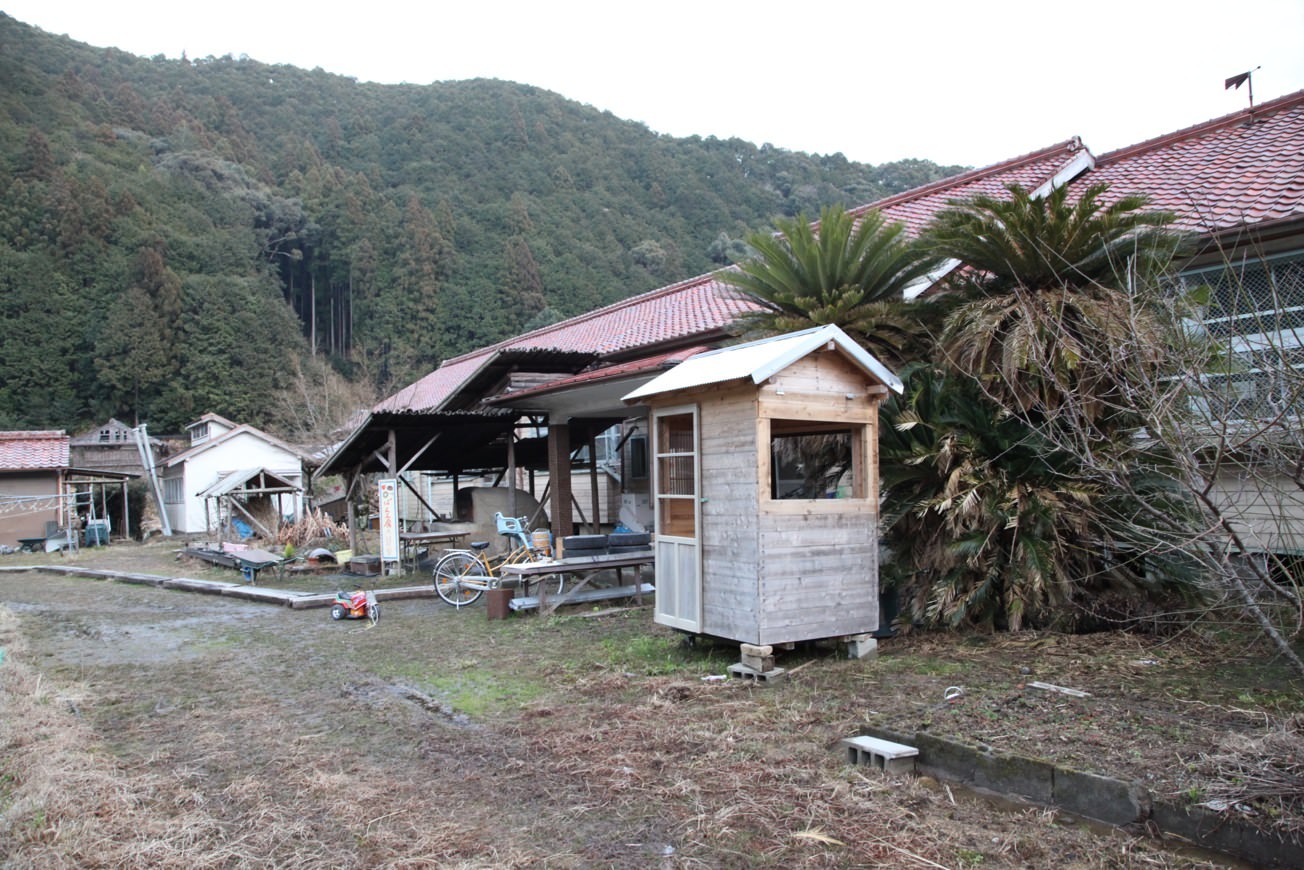
From the night of February 1st until noon on the 4th, I stayed at Kyoiku Gakusha, a former elementary school in Shingu, Wakayama that has been abandoned. Shingu lies beyond Kumano, which is already called an “island in the middle of the land,” and the school is another 40 minutes by car from Shingu Station, so it’s farther still. Incidentally, getting to Shingu Station from Ise takes about five hours. Kyoiku Gakusha is a place where Chikirin and pha have stayed too, and I suspect quite a few people know it from pha’s recent post, “The Countryside Was Like an Open-World RPG.”
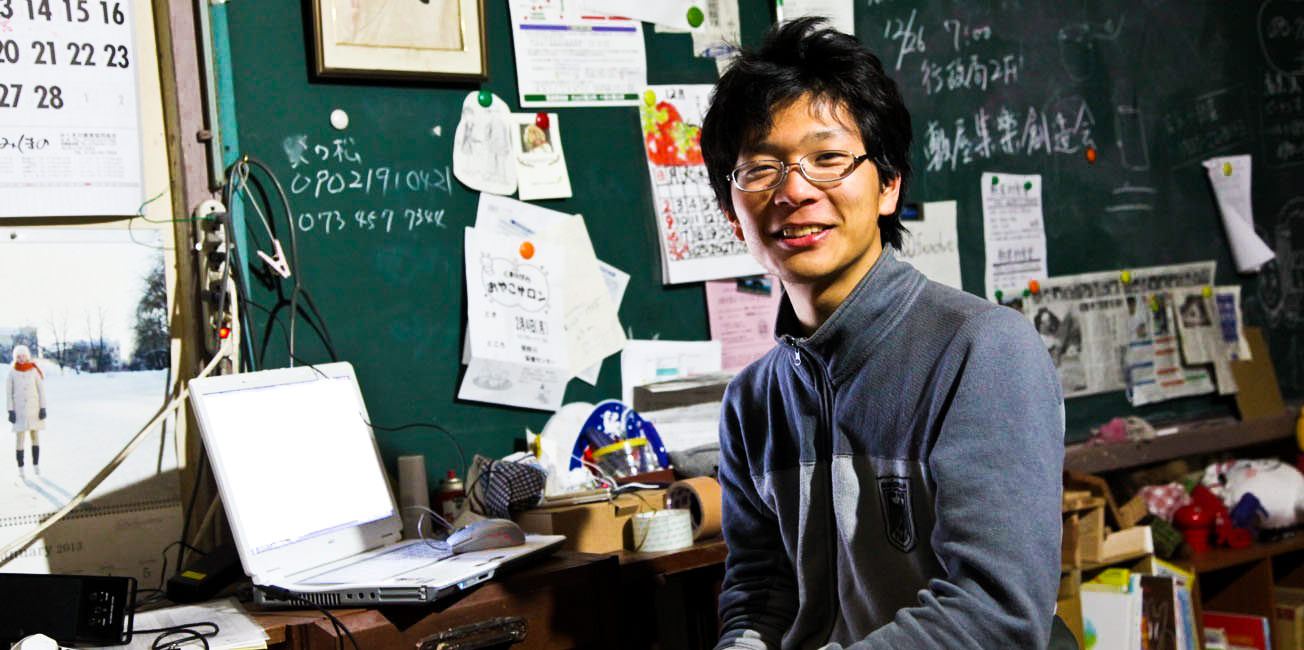
The person who invited me was Shogo Tasai. After finishing his second year at Waseda University, he took a leave of absence and moved here last April. He takes part as a student intern in the local NPO Yama no Gakko (Mountain School), and while working on the farm he also runs a project called Shogaku Mai (“Soaring Learning Rice”). Surplus rice becomes Shogaku Mai and is turned into money, and that money is used to support local junior high and high school students who want to go overseas. The students are asked to come up with a travel plan on a budget of 100,000 yen, and those who come up with a good plan have their travel costs fully covered.
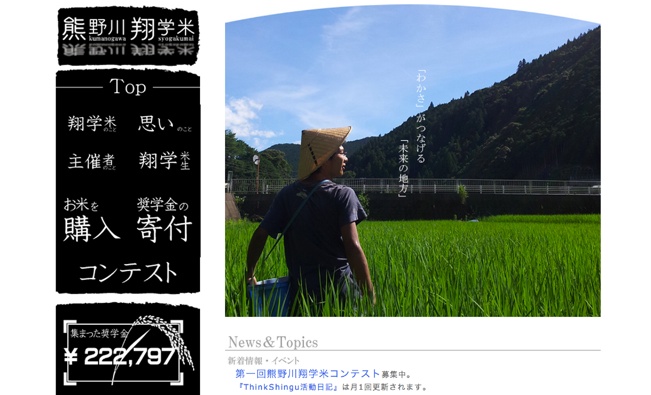
“Kumanogawa Shogaku Mai,” the site Tasai runs.
As part of that, I was asked to talk to the junior high and high school students about travel, which is why I went to Shingu this time. I keep a list called “100 Things I Want to Do in My Life,” and “Walk the Kumano Kodo” was on it. The week after I added that item, he contacted me. I thought, “What great timing. This sounds interesting, and it’s my chance to go to the Kumano Kodo,” and decided to go.
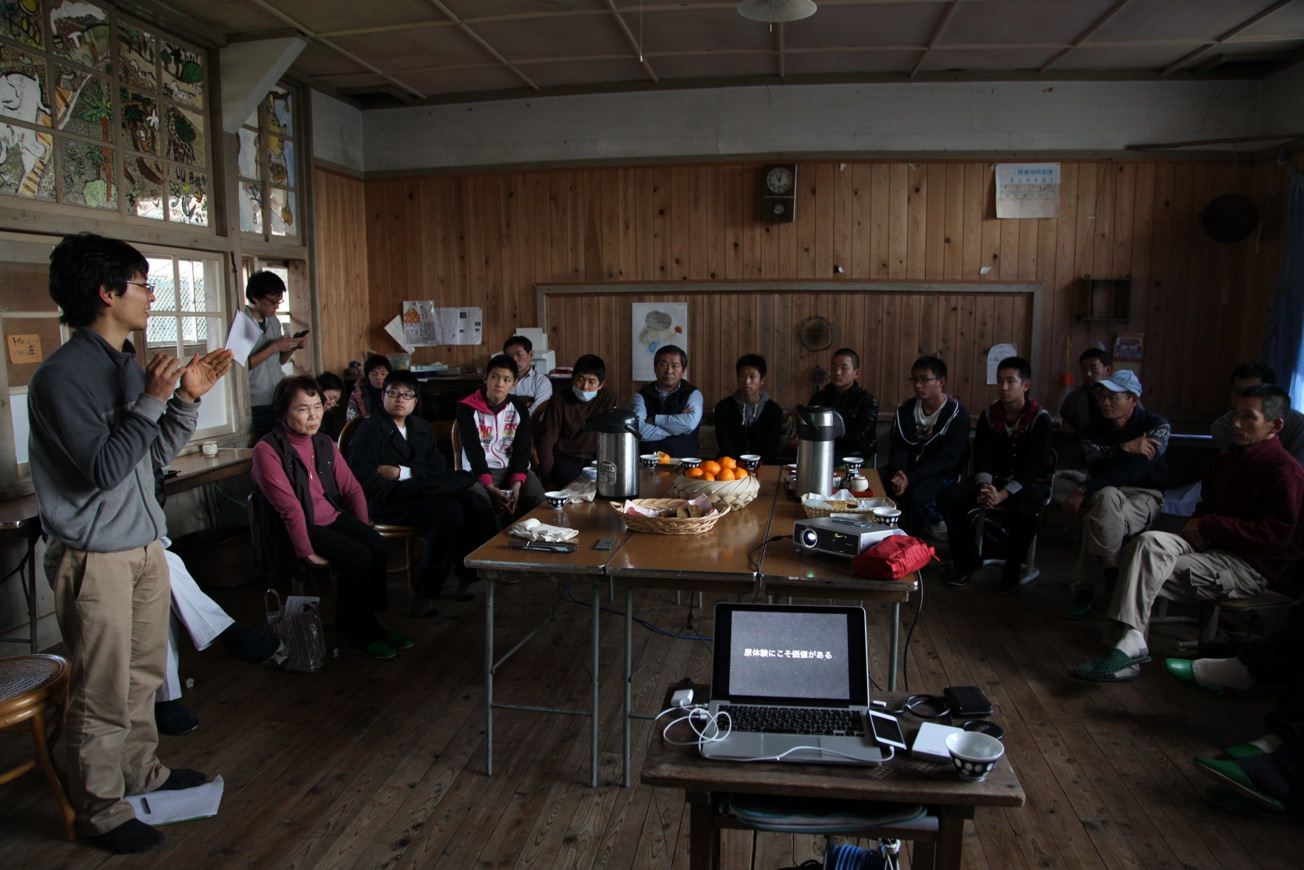
The presentation that day
What I talked about was built around what I wrote here: my trip around the world, what I did after coming home, and what I want to do from now on. I presented for about 50 minutes, and the remaining hour and a half was free talk, including questions.
There were 8 junior high and high school students and 19 adults, more than we had originally expected, but we had a great conversation. What I want to say after my travels comes down to two things: “Life is not only about Japan” and “Firsthand experience is what has real value.” If my talk becomes the spark that gets someone to head overseas, I’d be very happy.
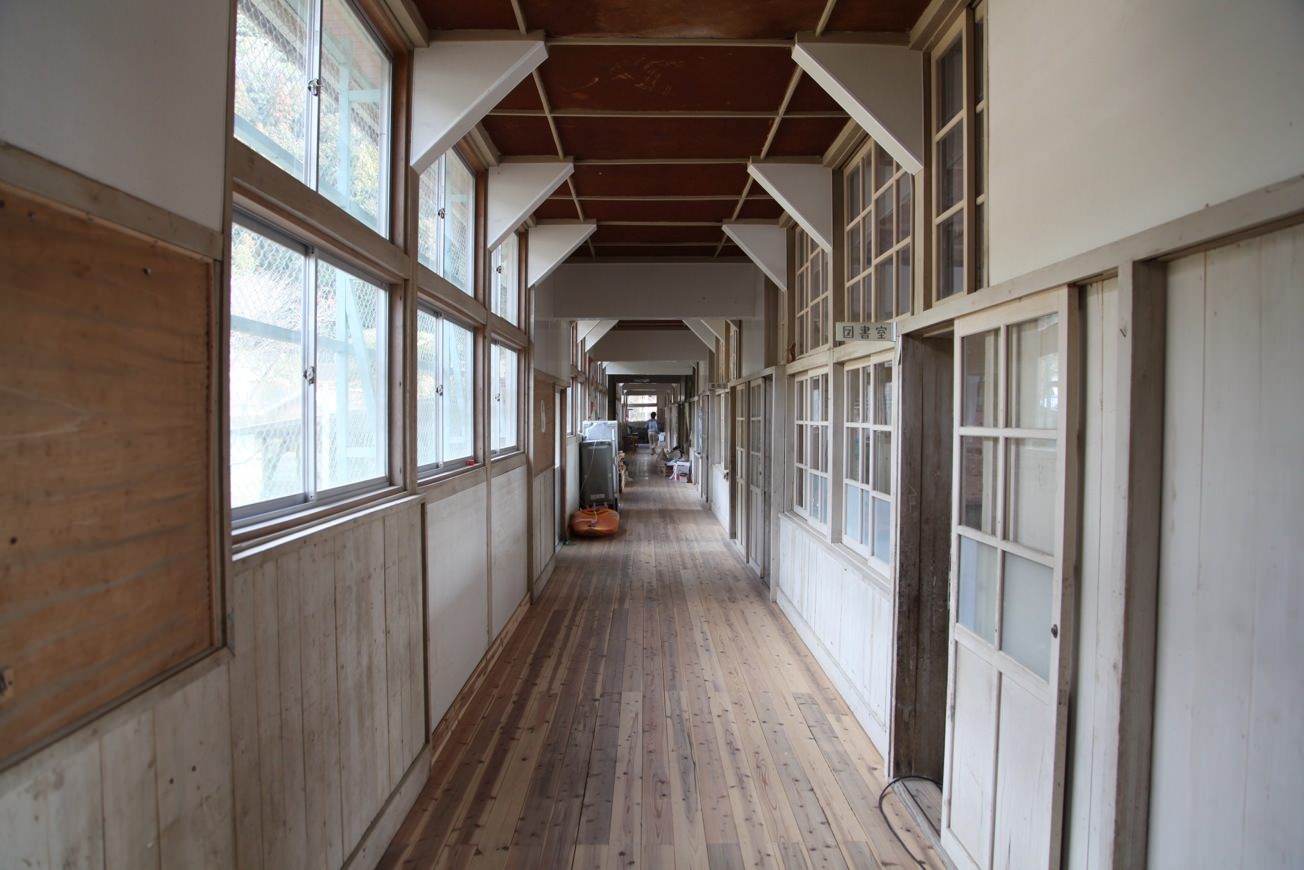
The hallway of Kyoiku Gakusha
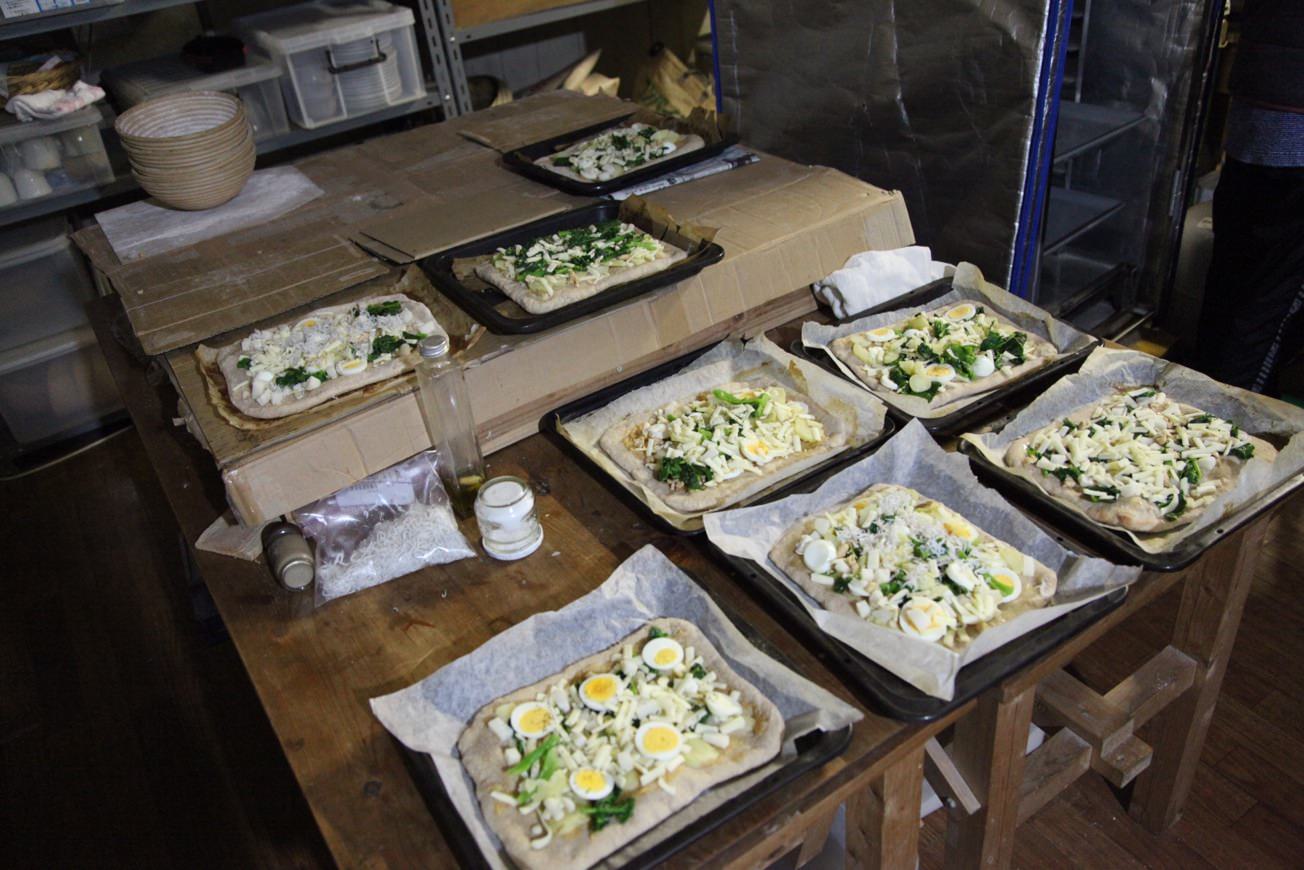

We make the pizza ourselves, too. Delicious.
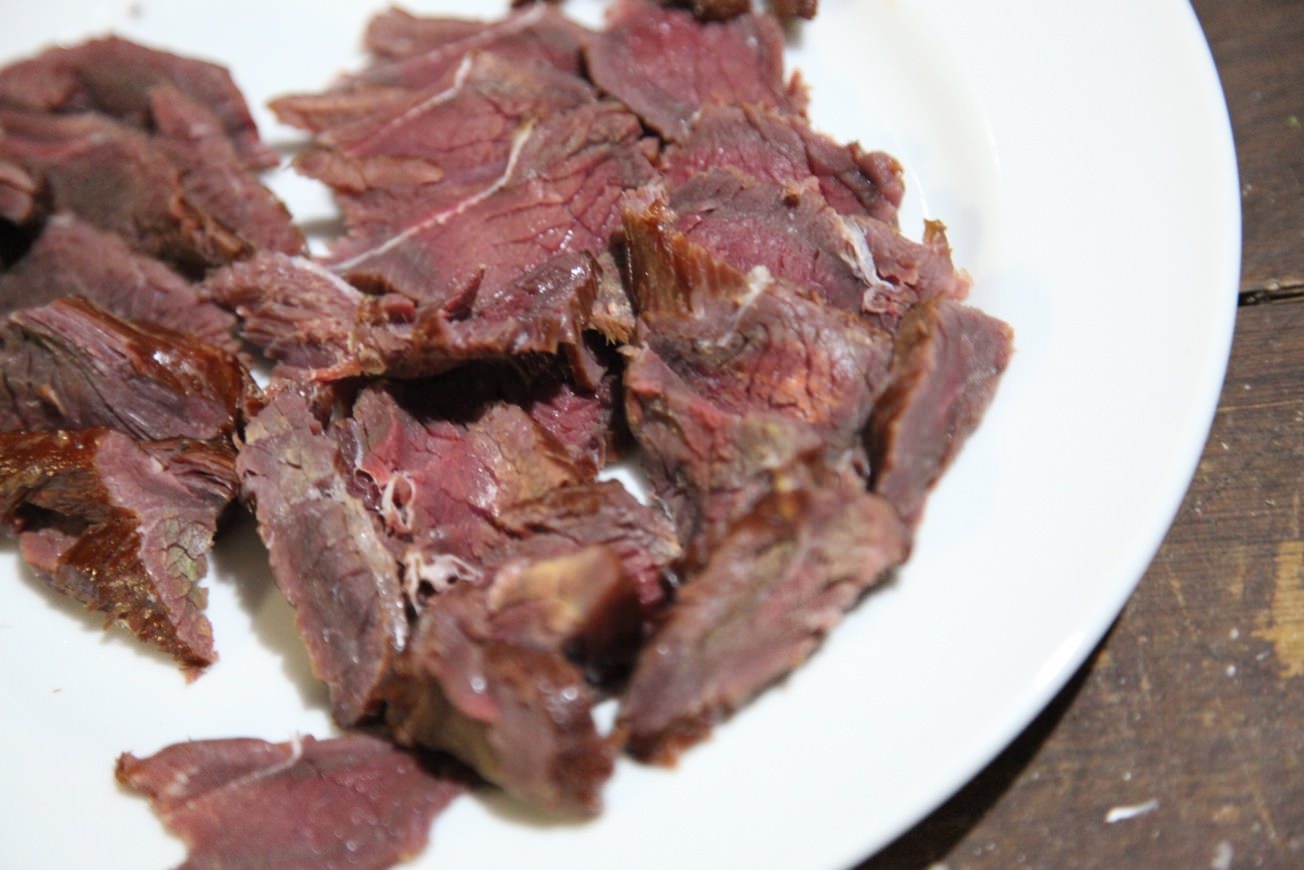
Smoked venison. My first time trying it, and it was incredibly good.
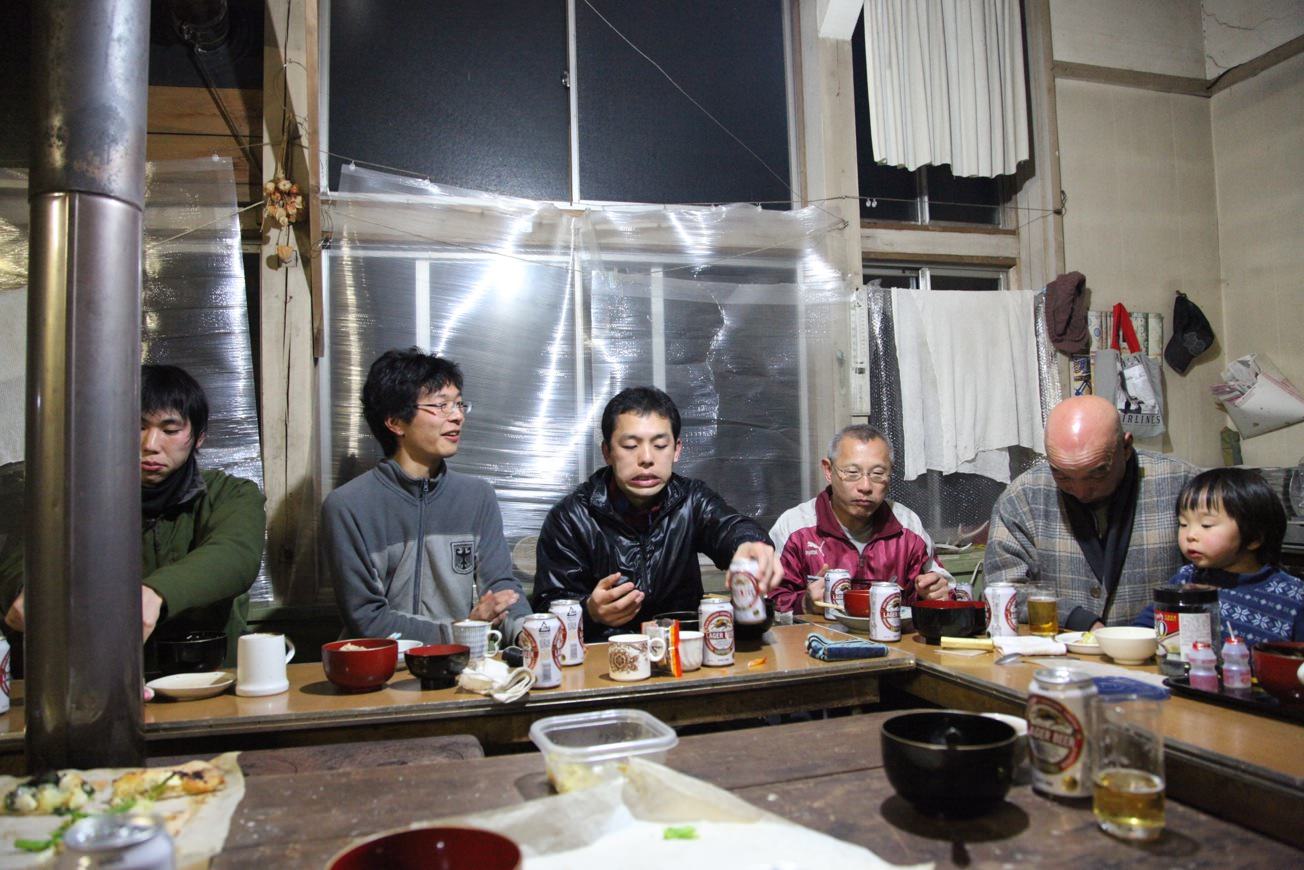
Gathering around together
The Place Called “Kyoiku Gakusha”
“I want to create a slum in Japan.” The talk by Mr. Saegusa, the educator who leads Kyoiku Gakusha, was fascinating. He has lived on that land for over ten years, living self-sufficiently and running a bakery workshop.
At Kyoiku Gakusha, in exchange for free room and board, you grow your own crops, then cook and eat them. You even catch deer and wild boar yourselves and eat them. A slum, he said, is the place you can finally fall back on when everything has gone wrong and the money is gone. He wants to build that in Japan.
Kyoiku Gakusha as a place, and the people there, draw other people in. That’s what I felt during my four days. In the end I was drawn in too, and so were Tasai, Chikirin, pha, and many others.
Above all, the place had diversity. Shimi, a web designer; Naoki, a carpenter; Mr. Shibata of Yama no Gakko; Mr. Namikawa, a Shingu city councilor; Mr. Sasaki, who moved here three years ago; and Mr. Saegusa. None of them are from Shingu. Yet each of them has put down roots in Shingu and keeps moving forward. And by welcoming new people, they bring in new value and evolve.
Some of the people at Kyoiku Gakusha had been there three years, some two, and quite a few only a week or two. One person even said they had met my younger brother in the Philippines, and it made me think what a small world it is. Haha.
Mr. Saegusa called it a “slum,” but I felt that Kyoiku Gakusha holds the future possibility of local communities. It is often said that it’s “outsiders, young people, and misfits” who change the world. Kyoiku Gakusha was a place where exactly those people gather.
According to Mr. Namikawa, Tasai, and Naoki, last year was a year of dramatic change. Words like town revitalization and regional vitalization are everywhere these days, but after going to Kyoiku Gakusha, the meaning of those words shifted a little for me. There are things here you could never experience in a city, and you may see some truly interesting things. If you’re curious about Kyoiku Gakusha, please check the related links below.
Because of time, I regretted not being able to try farming or hunting this time. Next time I go, I plan to stay for a week or two. I wonder when that will be.
Tomorrow I’ll post an interview with Shogo Tasai, the young instigator who took a leave from Waseda and jumped into Shingu.
Related Links
NPO Kyoiku Gakusha
NPO Yama no Gakko
Tetsuji Namikawa’s “Tetsujii’s Diary”
pha’s “The Countryside Was Like an Open-World RPG”
Chikirin’s “A Special Series of Posts on Regional Japan and Youth Political Participation”
.