October 2016
The Worst Thing You Can Do at Work Is Give Up on Yourself or on Others

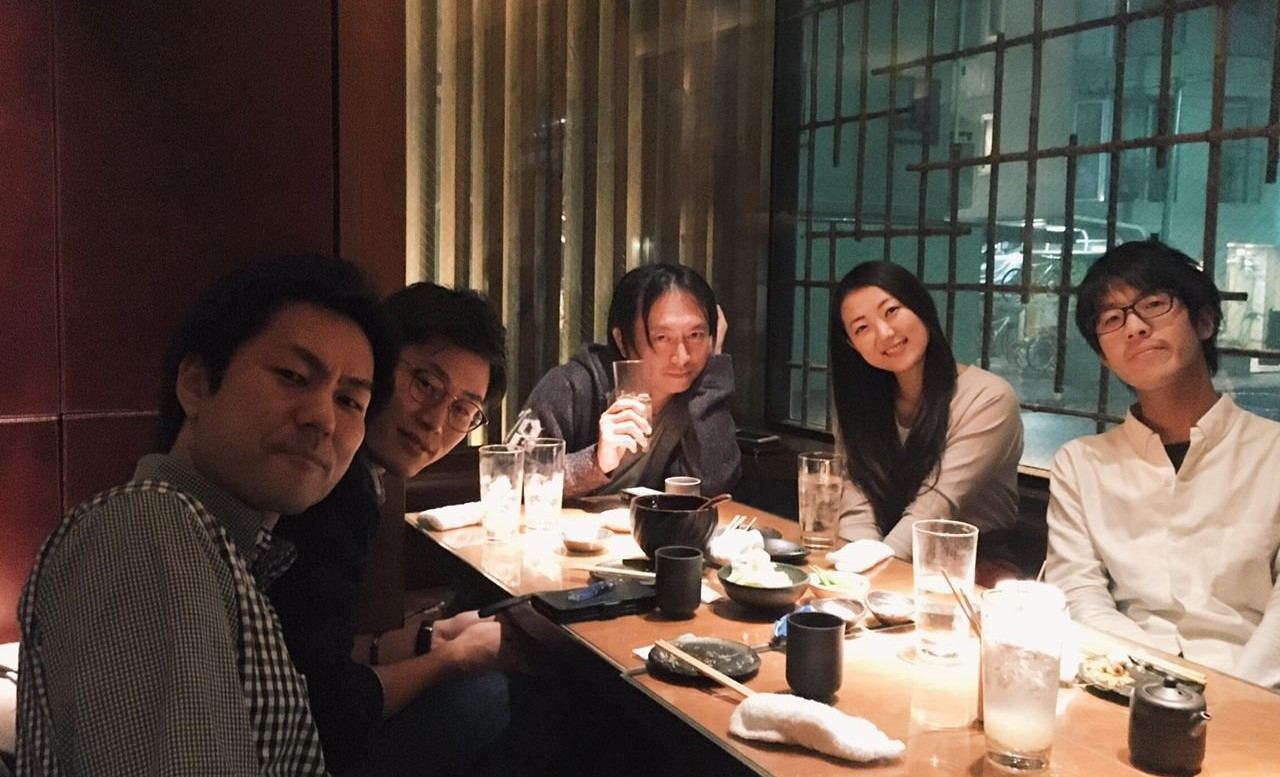
A nostalgic photo from Qatar. Already four years ago.
“The worst thing you can do at work is give up on yourself or on other people. The moment you do that, everything is over.”
Those were the words my mentor, Takamasa Sakurai, said to me backstage four years ago, when I worked at the Qatar international book fair.
Sakurai-san drew entire countries in, held Japan-related events around the world, and spread Japanese culture.
He was also a company owner, a senior figure far ahead of me, so to speak.
Trouble is part and parcel of overseas events. For example, models or emcees show up late, and because the countries are different, your intentions don’t always get across properly.
In those moments you might get irritated or feel like throwing it all away. And if the producer gives up, or if even a hint of having given up comes across, everything is over.
Right now MATCHA holds a decent position as an inbound tourism media. Our numbers keep growing.
There have been countless hardships so far. If I had given up on the business even once, we wouldn’t be here now, and what I’ve seen is only what I could see because I kept going. Running a company requires the resolve to see it through even if you end up all alone.
What I think is just as important as not giving up on yourself is not giving up on others.
What we do is a new field. The odds of succeeding when you take on a challenge are low.
Precisely because it’s a company where people from all kinds of backgrounds are involved, all sorts of trouble occurs, but if you give up even slightly, or if that comes across, things start to collapse from there.
This thinking also comes from my own past experience.
When people sense they’re being given up on, they stop speaking up, and new ideas become harder to come by.
Then they gradually become unable to move, results become harder to get, and it gets even more painful.
It was truly painful at the time, and that’s exactly why I don’t want to do that kind of thing at this company.
Not long ago I read this entry:
I’m in my second year at work, but my mistakes disappeared once my boss changed
It felt close to the idea of not giving up.
At first it’s natural not to be able to do things; you first trust, and you are trusted, and gradually you understand the context of the work, and only after that, I think, does the person’s true ability come out.
“Not giving up” sounds like an obvious phrase, but I think it’s surprisingly deep.
I want to keep this stance going forward.
.