August 2019
Hoshino Gourmet Ski Club: Argentina Edition
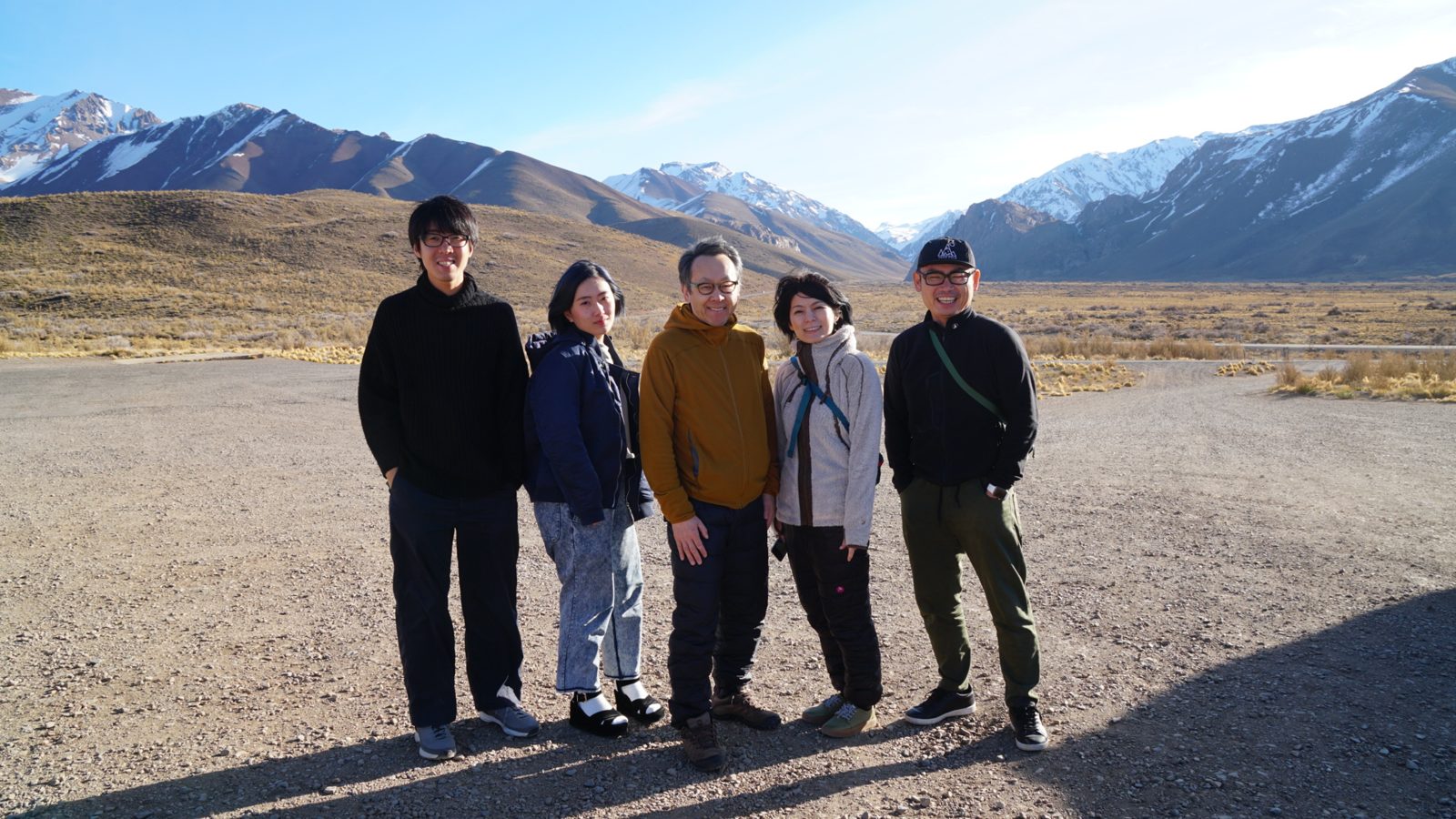
In early August, I went on a trip to Argentina with the Hoshino Gourmet Ski Club (HGSC). Following last year’s NZ trip, this year it was South America.
The members were Mr. Hoshino of Hoshino Resorts, Mr. Kobayashi from the marketing team at Hoshinoya, Mr. Tsukada, the “Yuki Banchou” (snow boss), Mr. Ryuzaki of HOTEL SHE, and me.
It’s a 30-hour flight each way, and about two weeks including the round trip. In that time we traveled roughly around the globe, snowboarded, hiked, trekked on a glacier, and talked business, a truly precious stretch of time. The travel was exhausting beyond belief, but wow, I’m so glad I went.
I’ll write this out for anyone planning a trip to Argentina, and also to organize my own thoughts.
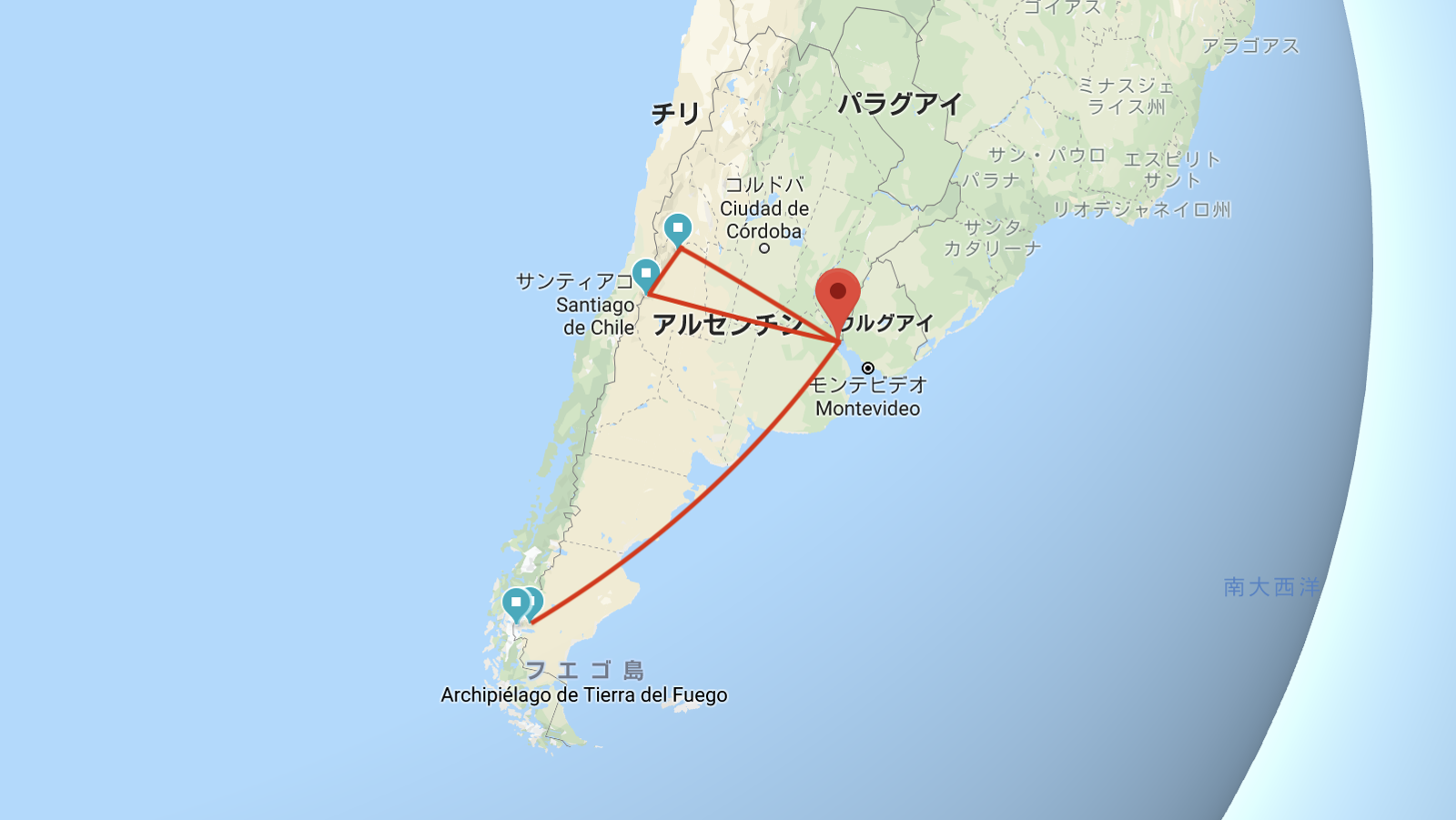
Our route was Buenos Aires 1 day ⇛ Las Leñas 4 days ⇛ Patagonia 3 days ⇛ Buenos Aires 2 days. When I looked around the places I’d been on Google Maps, I felt dazed thinking, “I went all the way out there…” Someday I want to go to Antarctica.
Ski Resort: Las Leñas
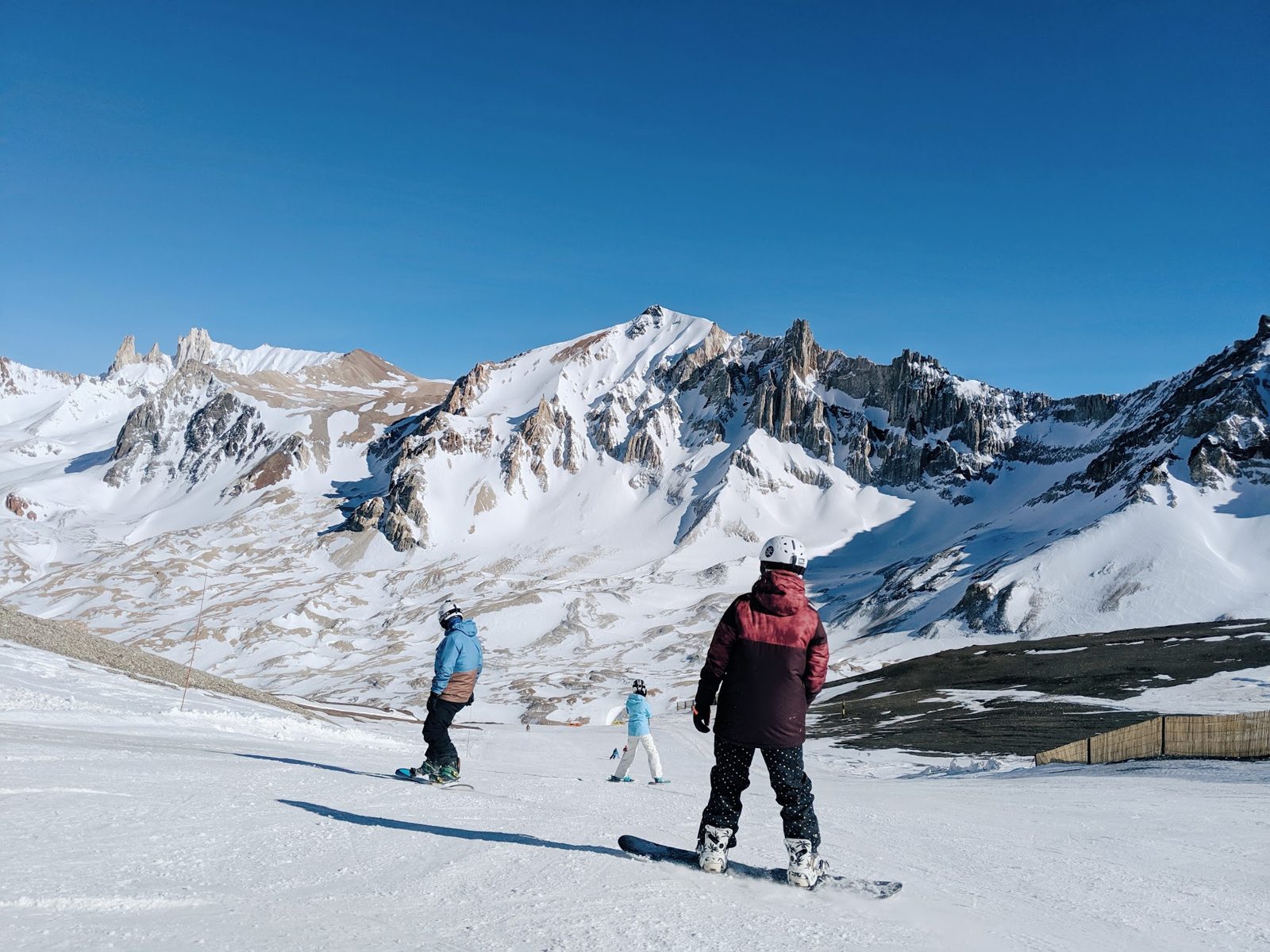
The day after arriving in Buenos Aires, we headed to the ski resort of Las Leñas.
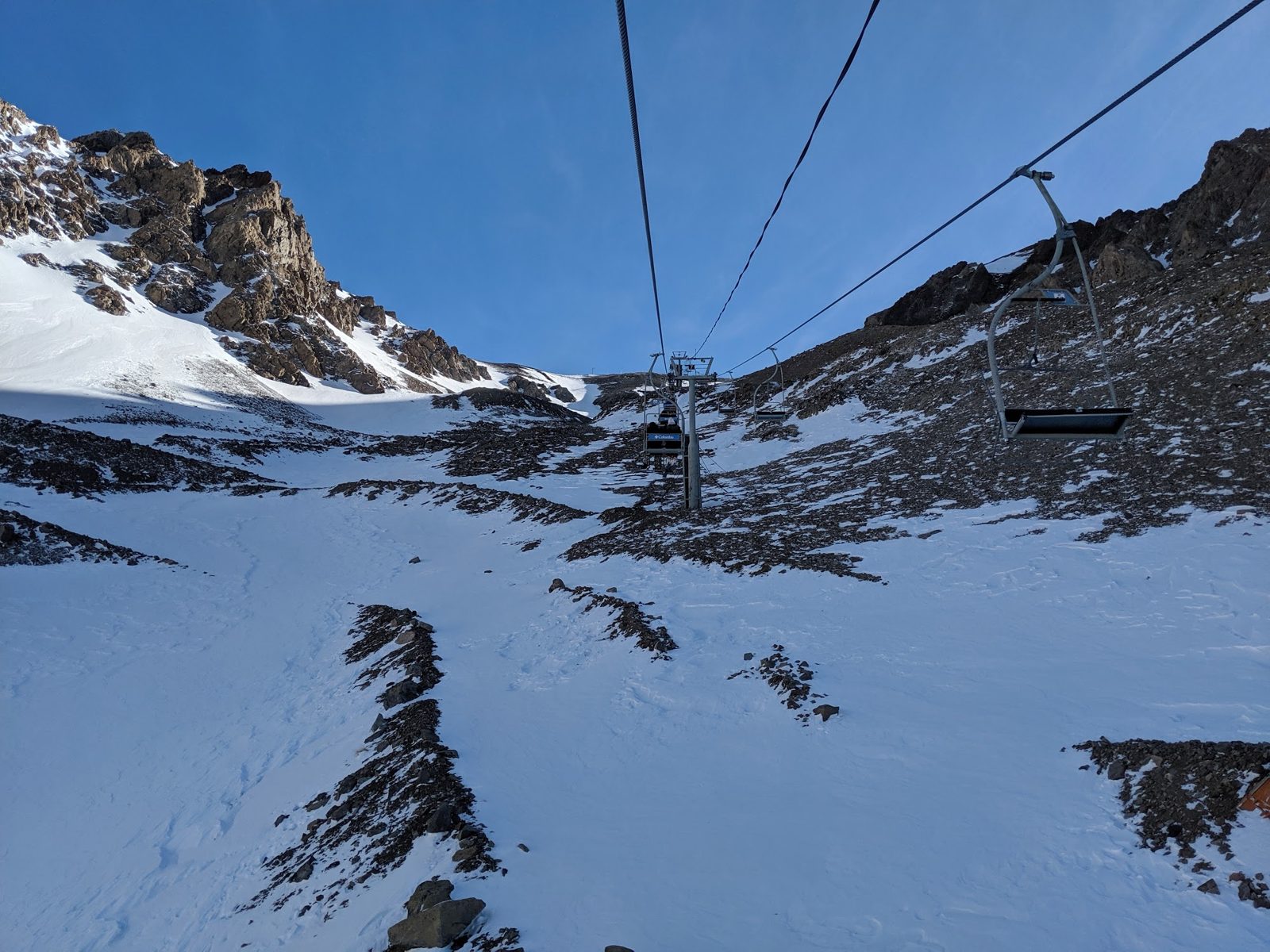
Las Leñas is so vast you can’t cover it in a day, and the overwhelming scenery just kept coming. Wait, we’re really going to ride down from up there? We kept climbing snowy mountains like that on shaky lifts. Snowboarding while taking in this view felt absolutely wonderful.
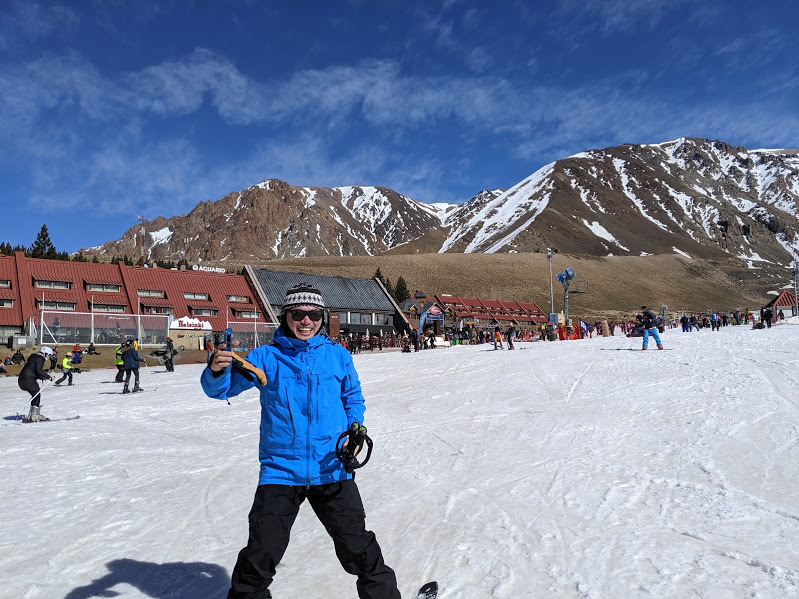
This was only my 10th or so time snowboarding, but thanks to coaching from Mr. Tsukada, the snow boss, I improved a level. He’s a snow specialist who brought snowboarding to Japan.
I finally got the knack of dropping my knees and turning with my upper body. It was clearer and more useful than any explanation I’d ever received. By putting body sensations into words, he made it easier to handle.
One of the good things about this snowboarding trip was realizing anew how good Japan’s snow is. Japan is by far better in snow quality and quantity, and everything is compact. Learning firsthand why Japan’s snow activities are so popular around the world was a big takeaway.
This winter I want to go skiing even more than usual. I’m going to Myoko, Alts Bandai, and Nekoma.
Patagonia: Torres del Paine National Park
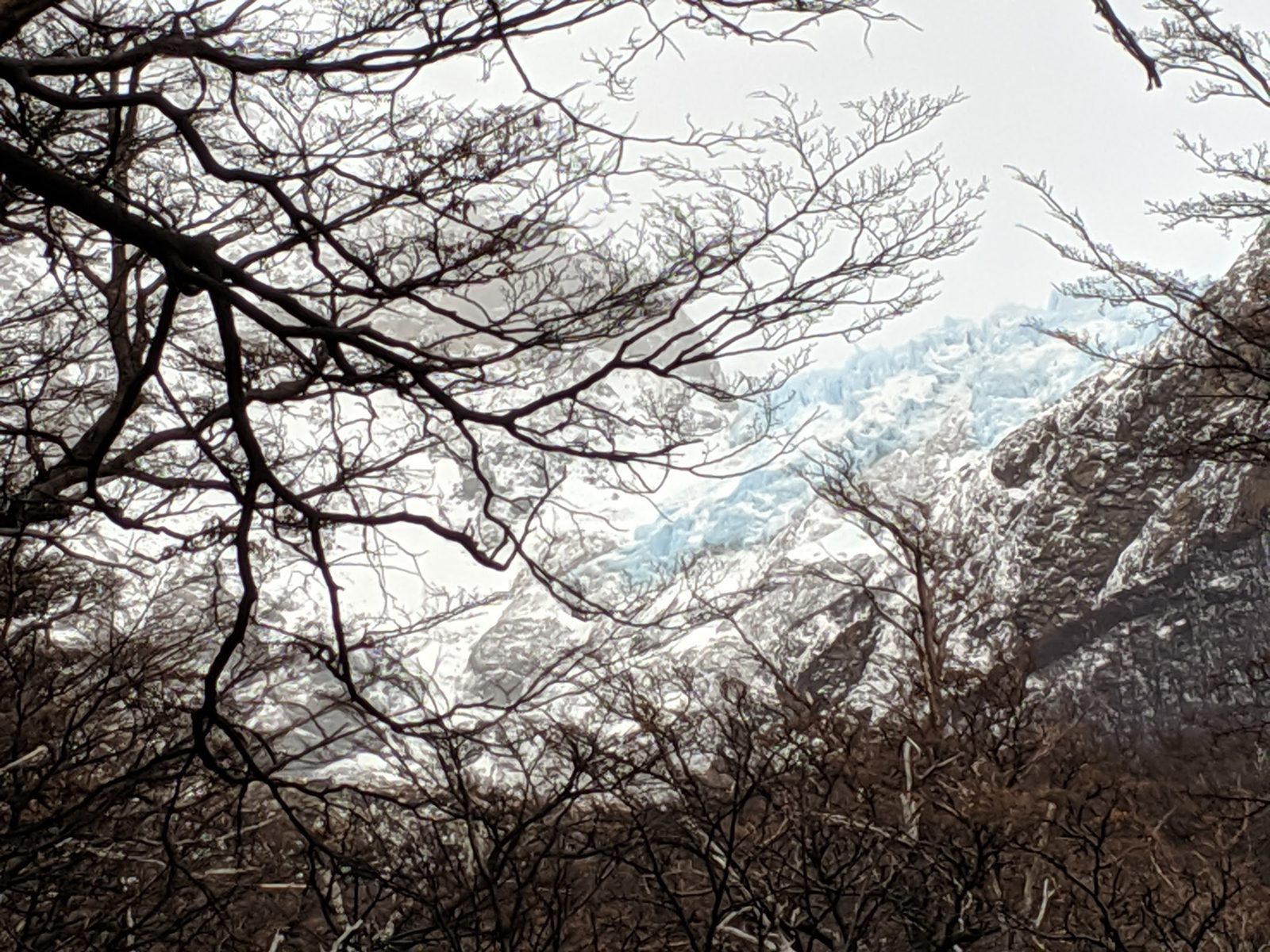
After Las Leñas, we went to Mendoza, stopped over in Buenos Aires in transit, and then on to El Calafate.
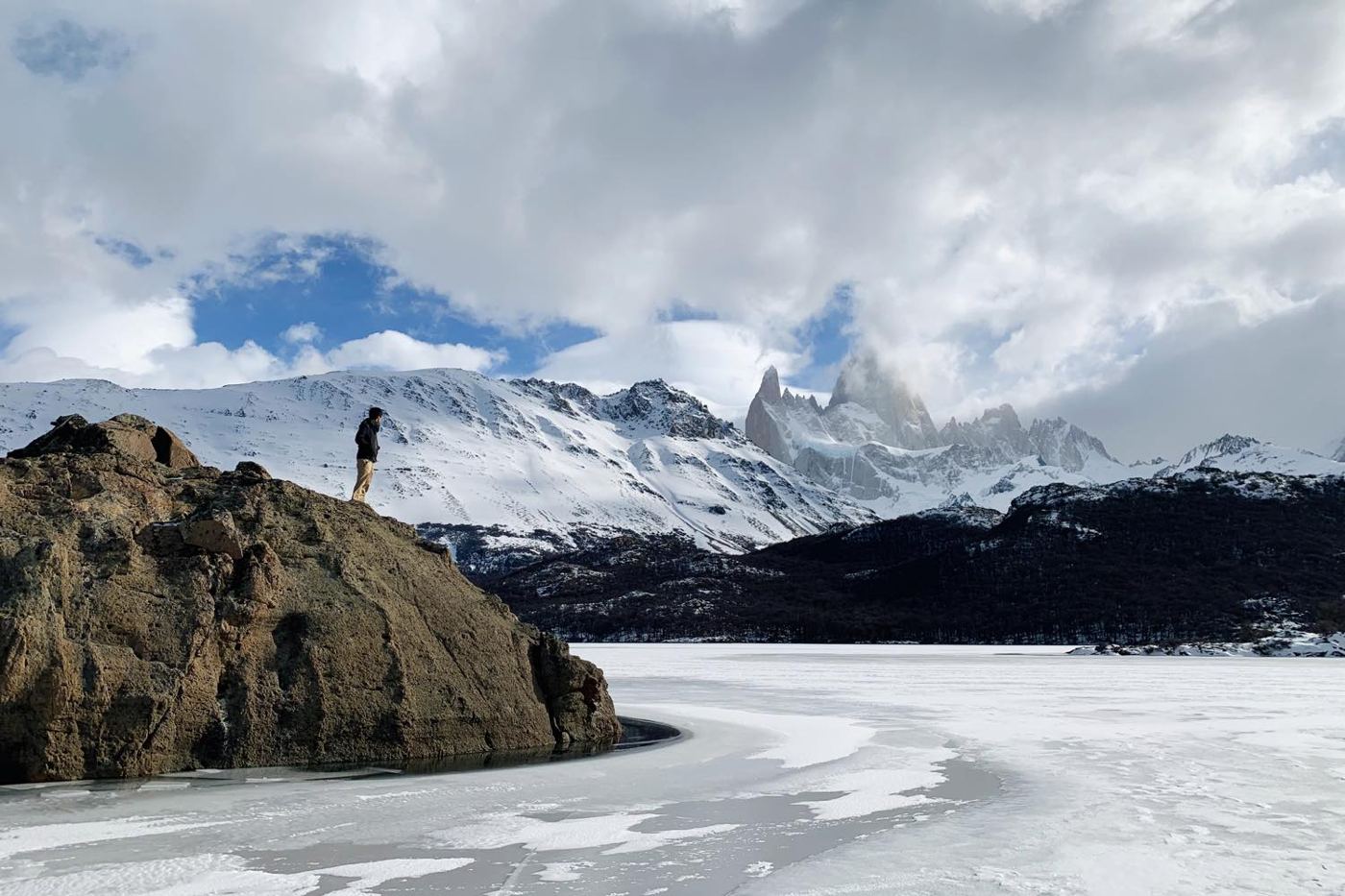
Hiking in Patagonia’s national park was also fantastic. We made our way around looking at Fitz Roy, glaciers at our side, and walking across frozen lakes.
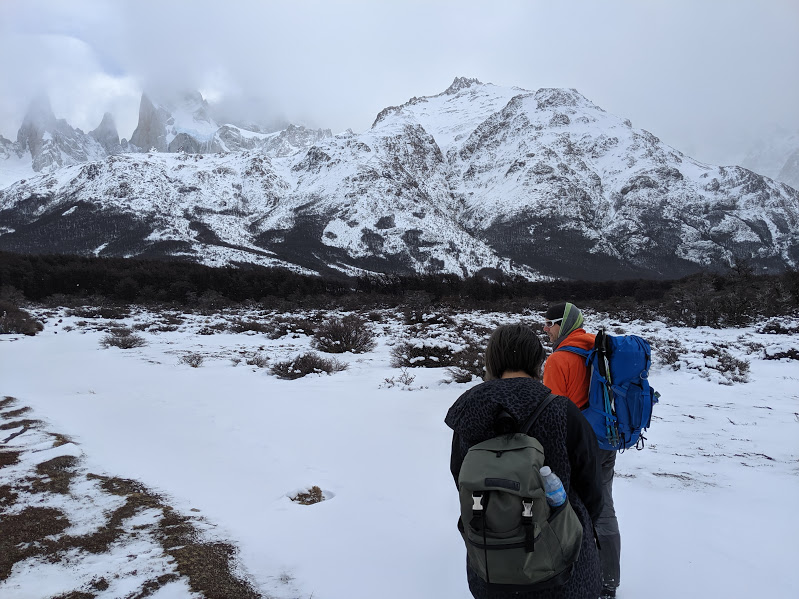
Our guide, Robert, was incredibly knowledgeable. He knew and talked about a wide range of subjects, from economics to history, geography, and biology.
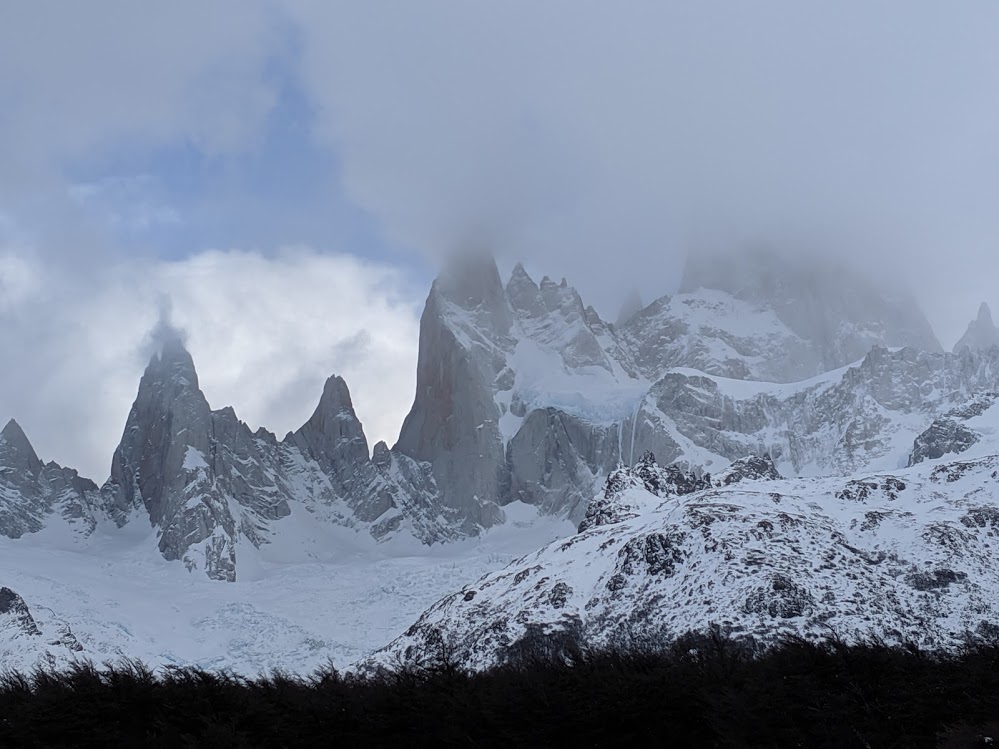
Fitz Roy is the mountain that inspired the Patagonia logo. There are apparently few clear days when you can see it, so we were lucky.
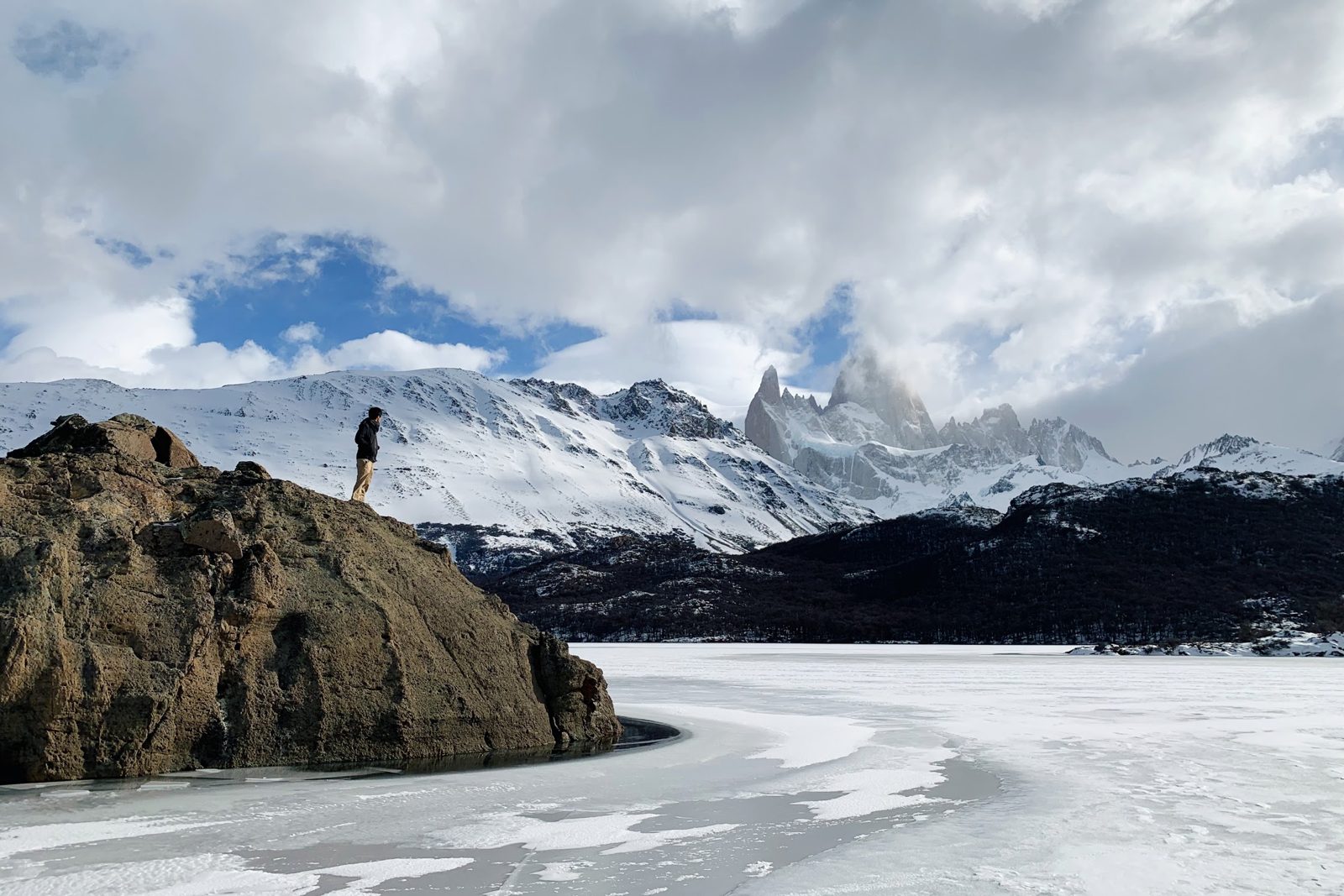
There was a rocky mountain in the lake, so I climbed it and took this shot. The guide told me, “I’ve never seen anyone climb up here.” Curiosity matters.
Perito Moreno Glacier Trekking
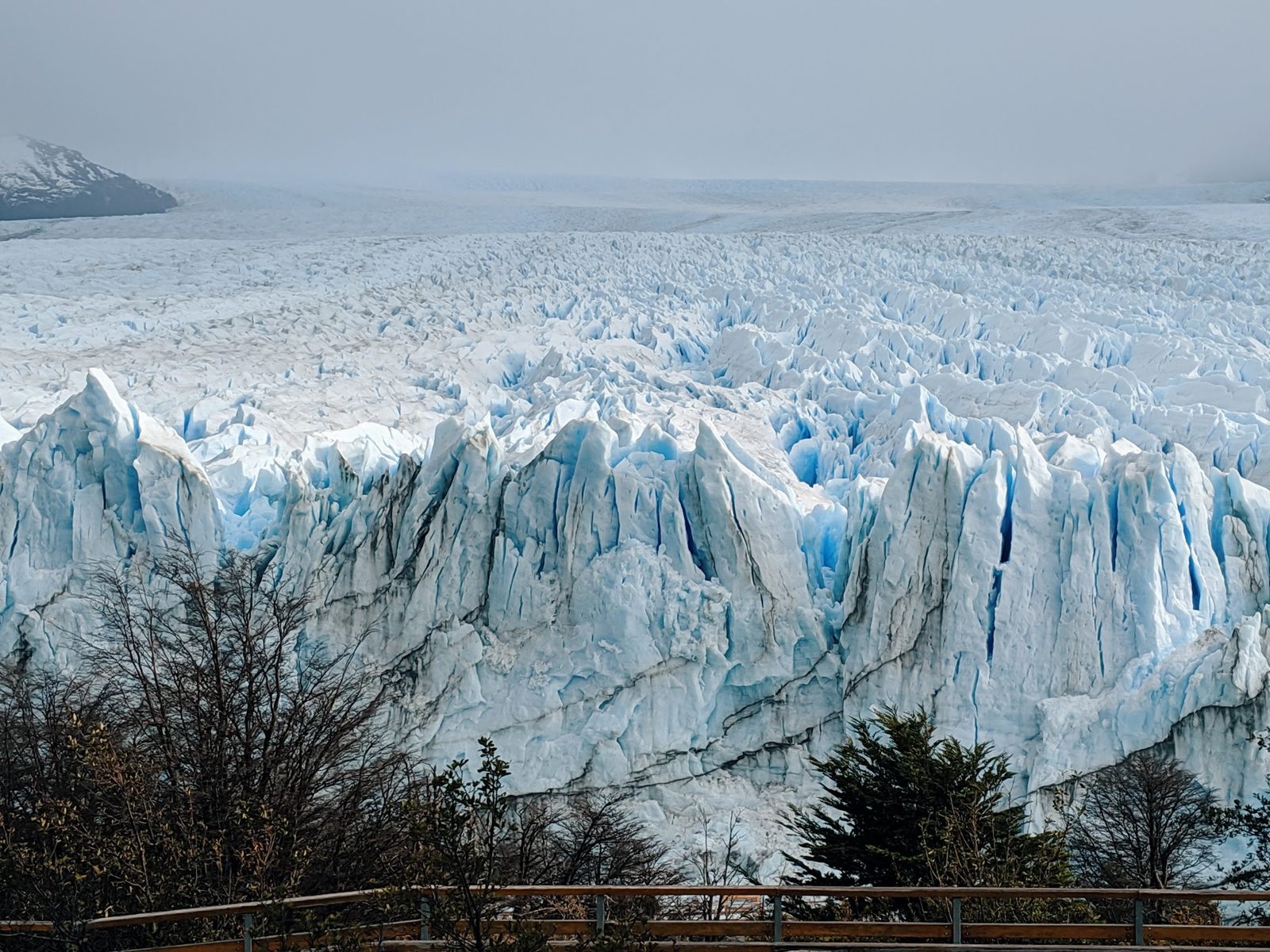
In the final stretch, we went glacier trekking in Patagonia. As we got closer to the glacier, “amazing” was all I could say.
The glacier stretches over 200 km, and apparently it snows almost every day farther in. It was just so vast and grand that I couldn’t believe what I was seeing. Even looking at this photo, I feel the same emotion.
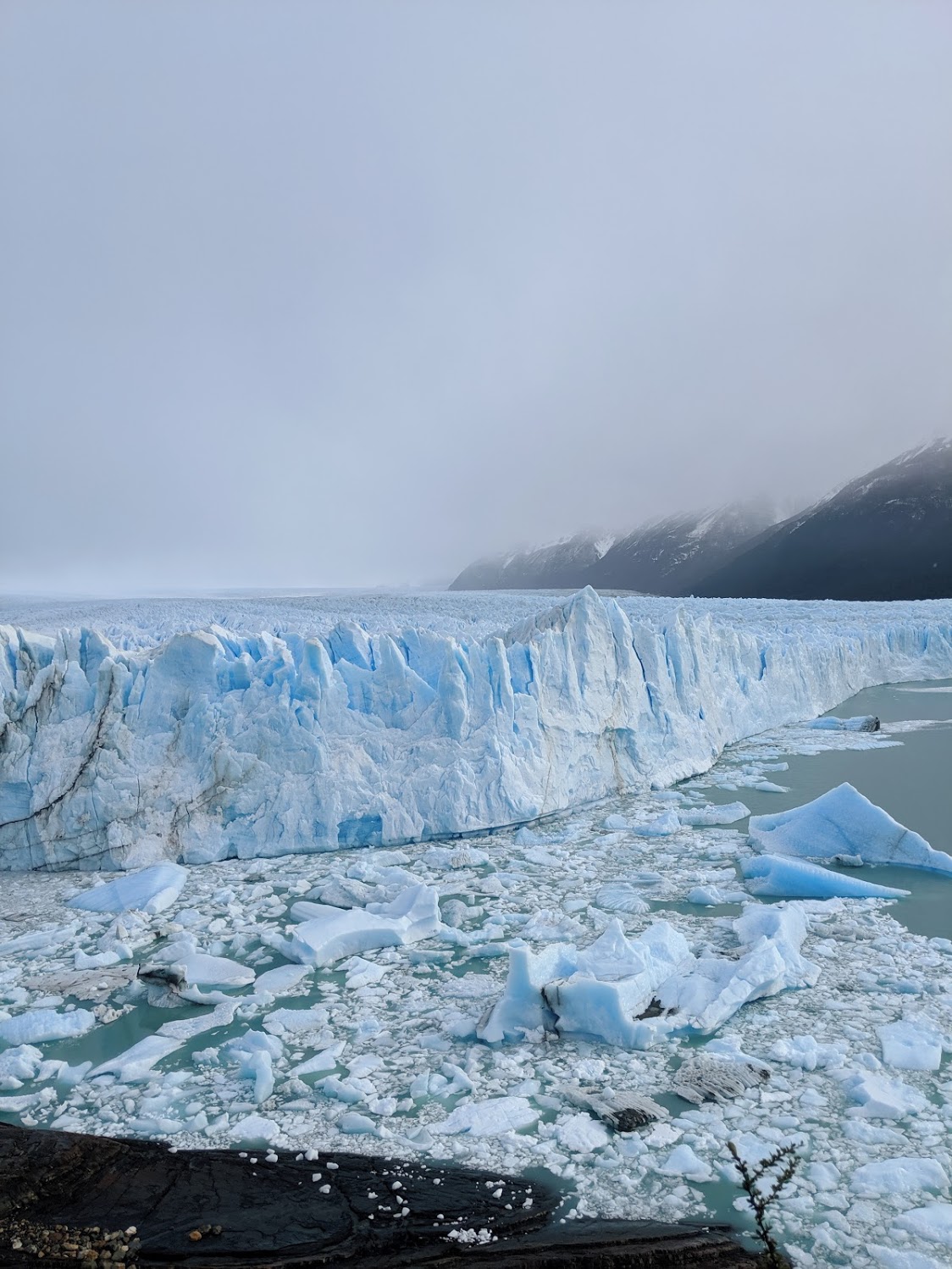
The glacier we see before us now is 100 years old. Every day the glacier moves 2 meters, melts, collapses, and disappears. Sadly, we didn’t get to see it calve.
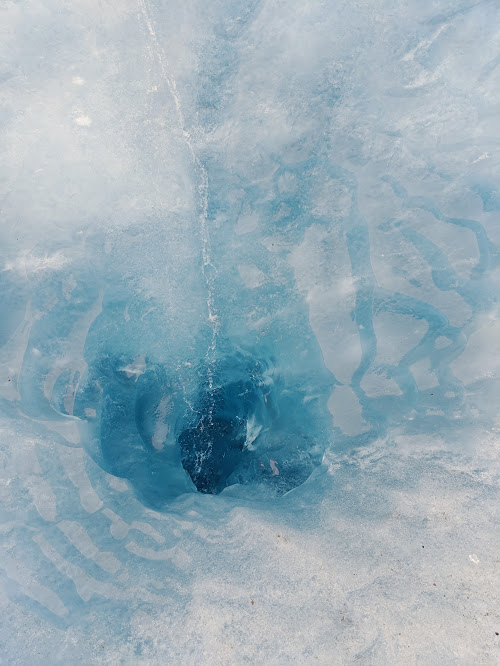
For glacier trekking, you attach iron spikes to the soles of your shoes and walk carefully so you don’t fall.
The glacier water has 0% minerals and had a mysterious taste that went down smoothly. It was so delicious I wanted to bring it back to Japan.
I put my hand into a near-freezing puddle and drank over and over, enduring the cold.
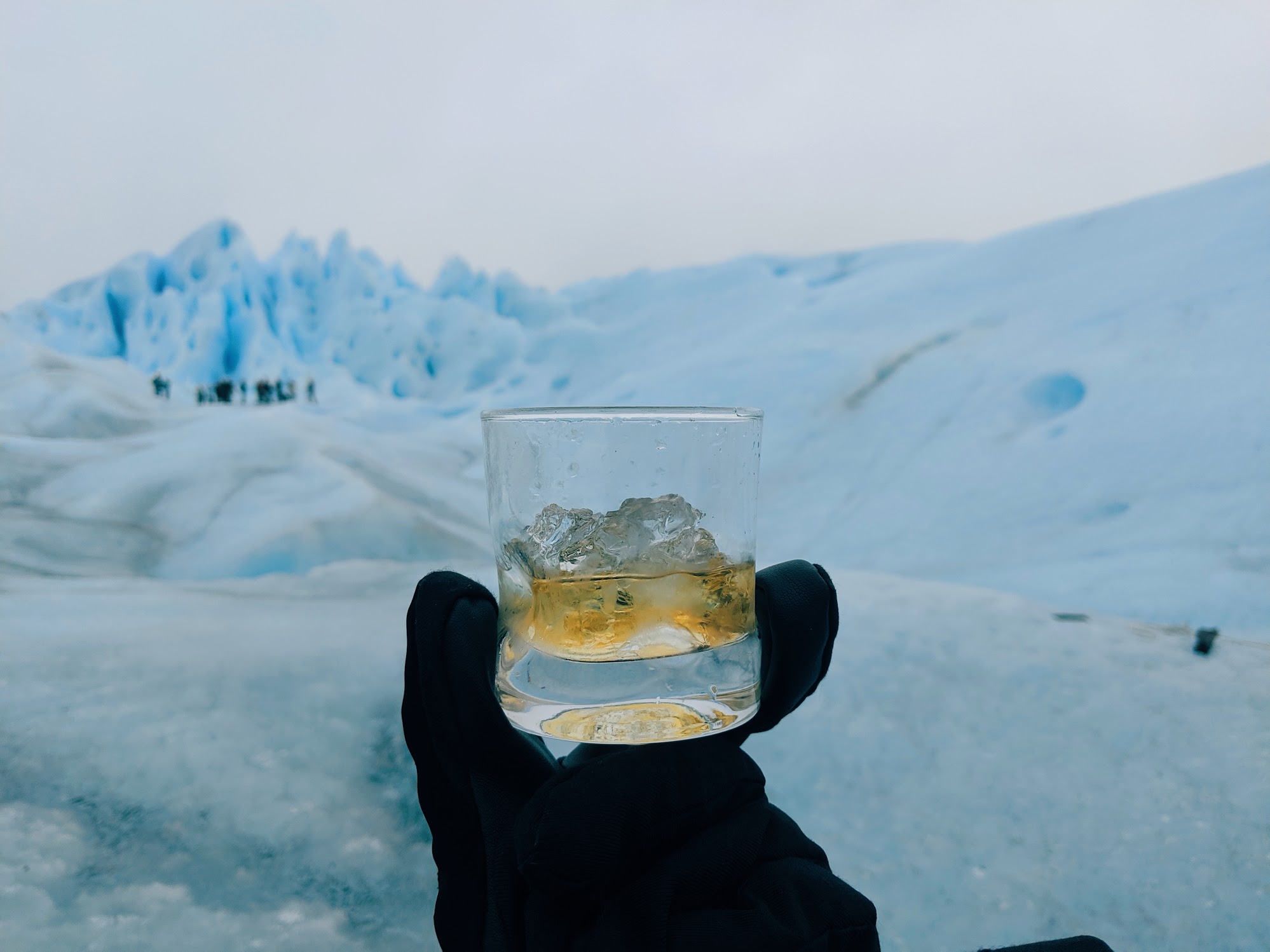
Toward the end of the trek, we were served whisky on the rocks, with glacier ice and glacier water. Content that’s unique to that place and that moment is truly powerful.
Japan is also full of nature, so we should be able to copy a similar format.
Sightseeing in Buenos Aires
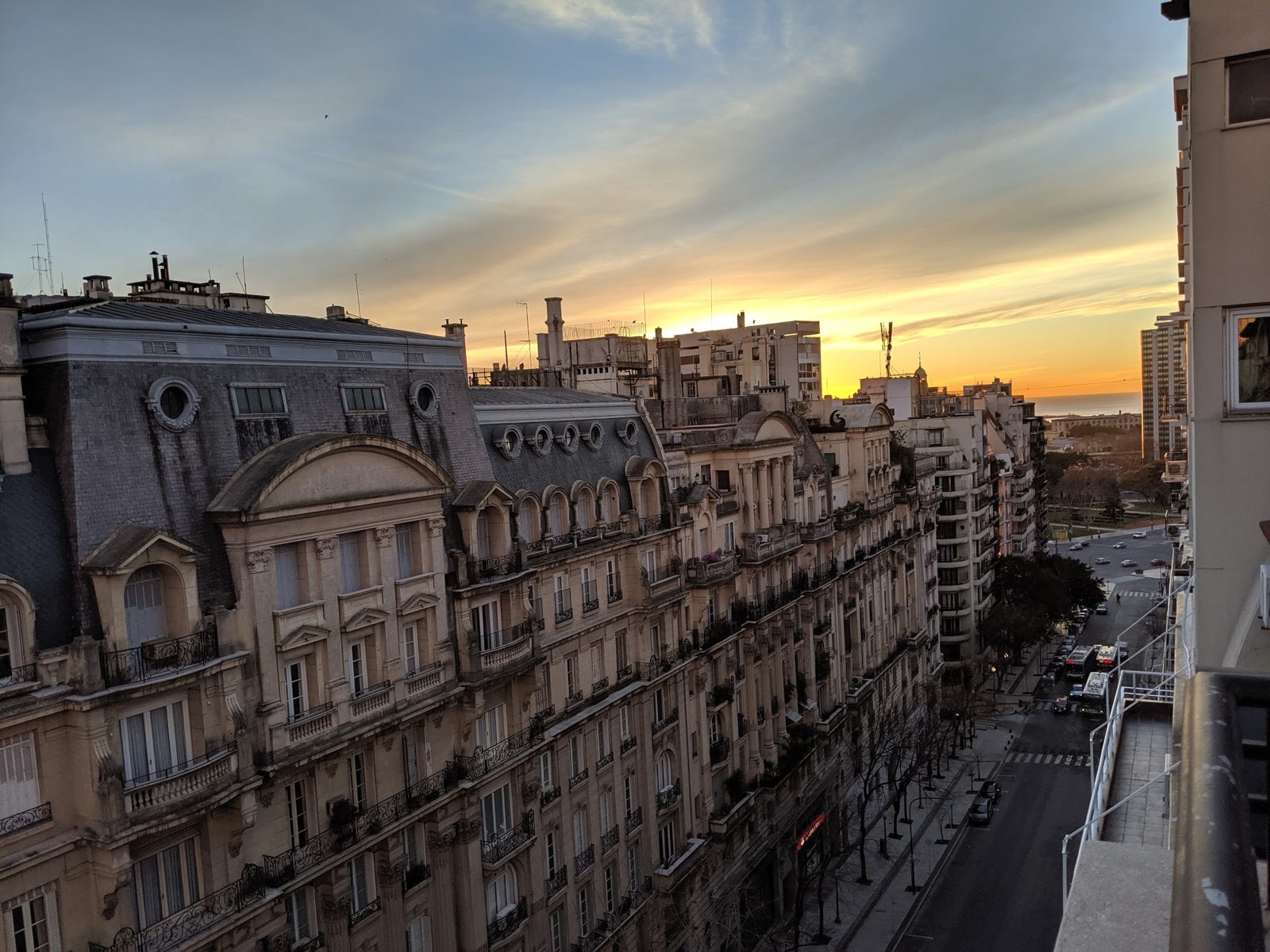
We stayed in Buenos Aires for about three days in total, on the way out and back. I had been cautious because I’d heard it wasn’t safe, but nothing happened. Since it was originally Spanish territory, the cityscape looked exactly like Europe.
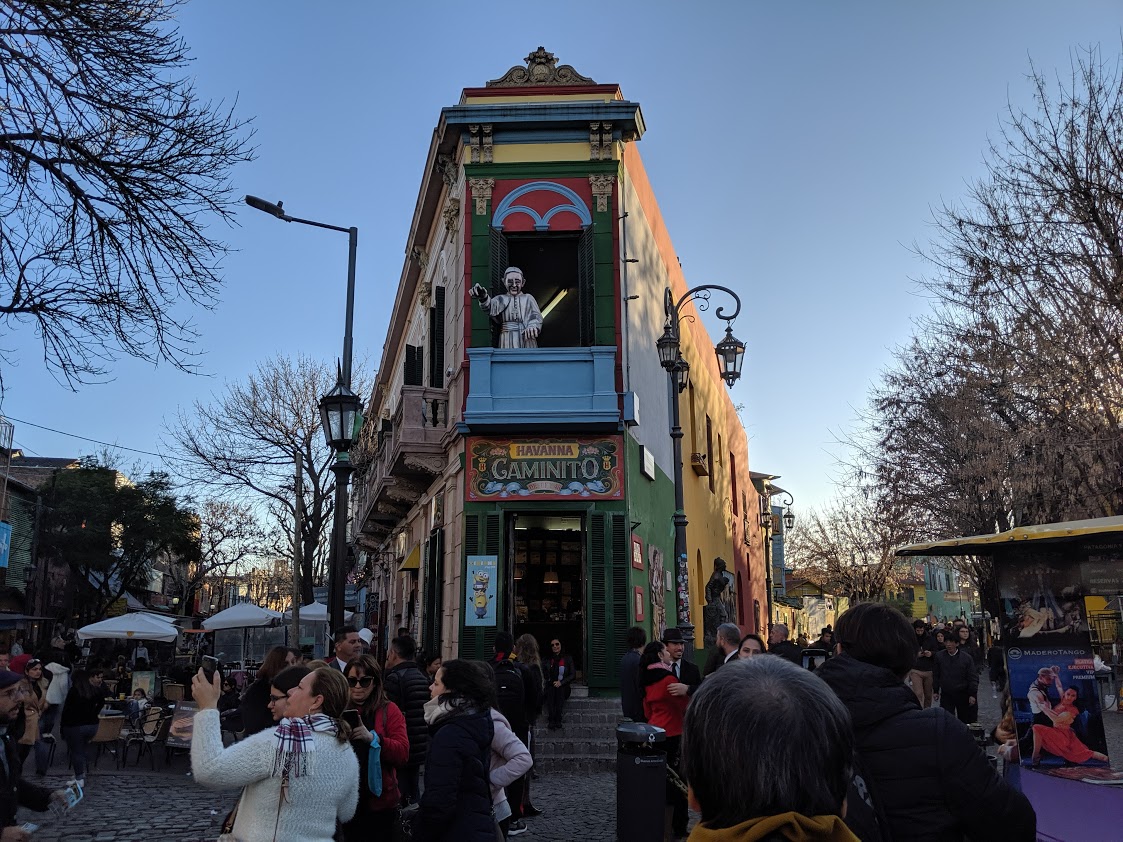
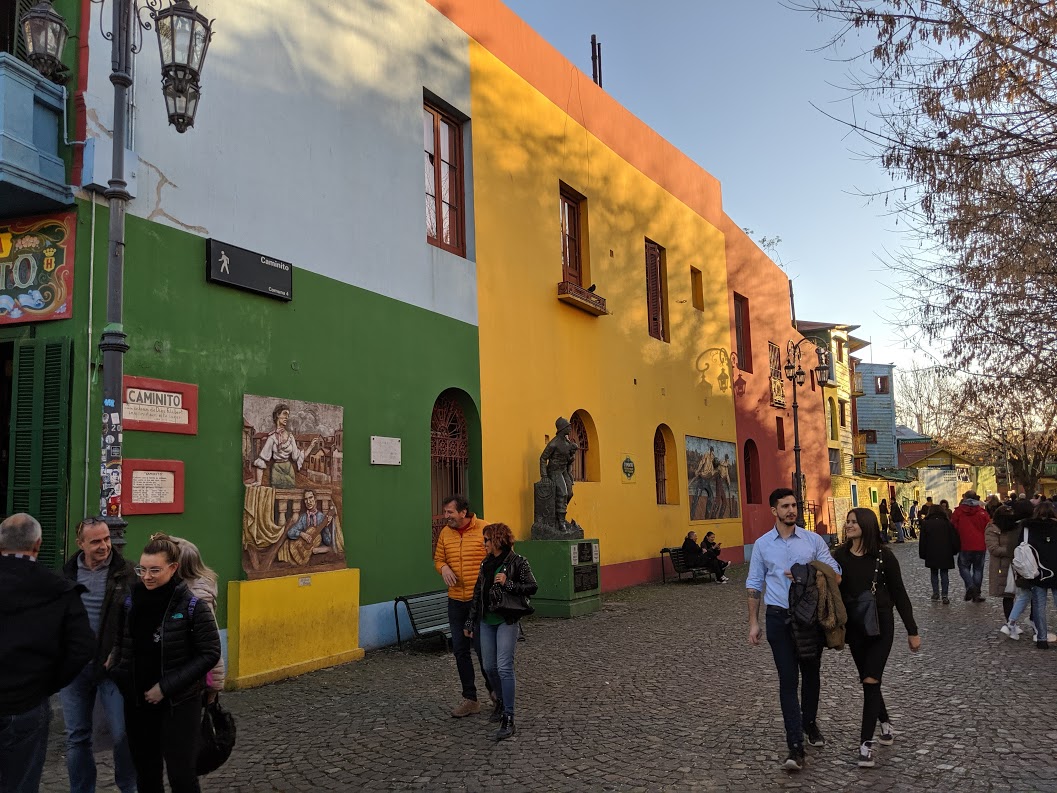
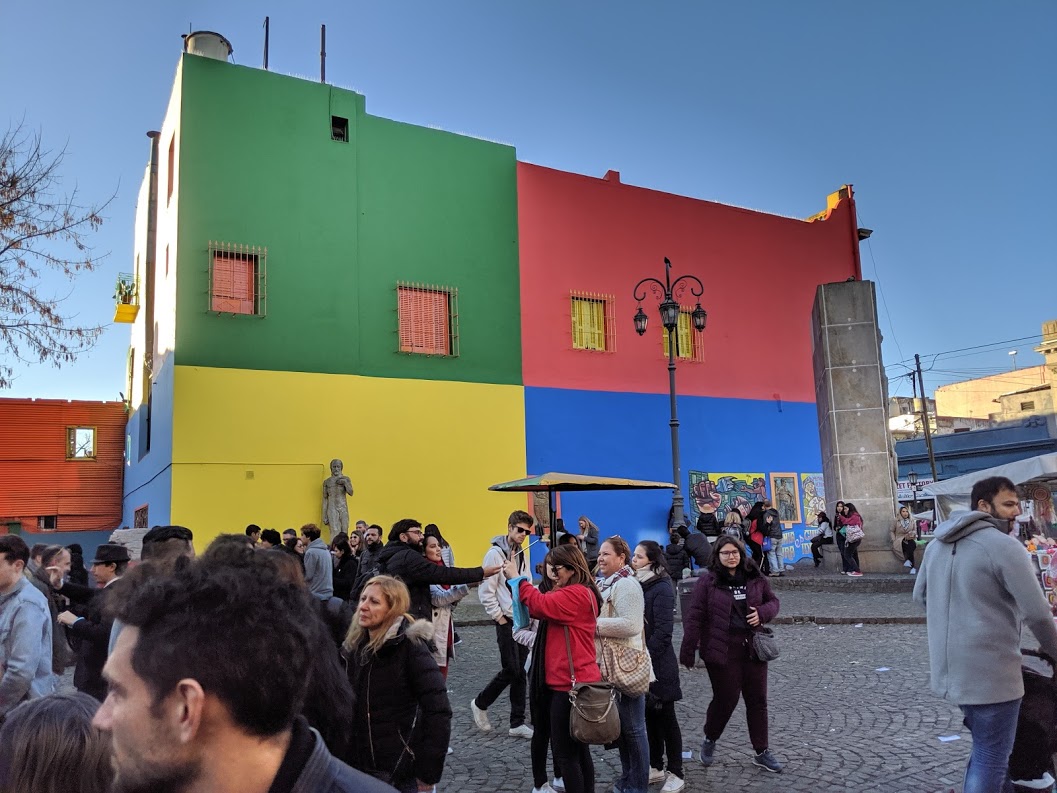
Caminito, the colorful neighborhood. Long ago, sailors painted the walls with leftover ship paint, and that’s how this streetscape came to be.
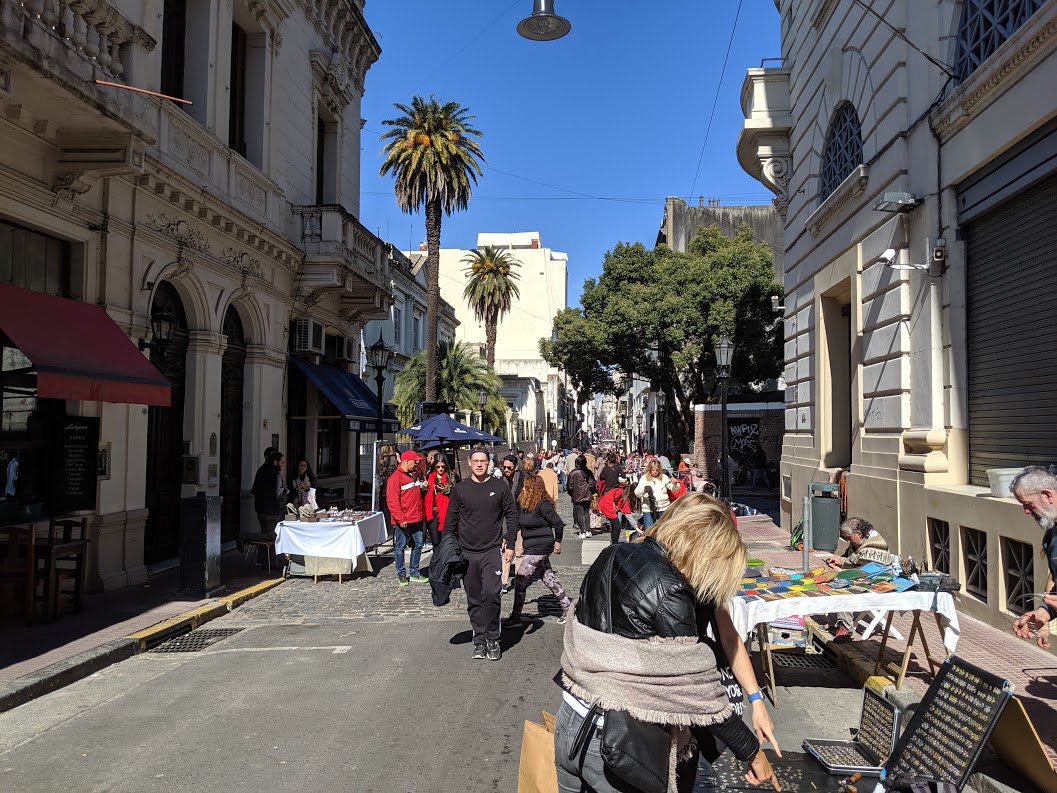
The morning market in Buenos Aires was also memorable. Unlike many in Asia, where the same goods are simply lined up, you could sense a sense of purpose in each individual stall, which I liked. It’s apparently held every Sunday, and I felt Japan could use something like a street market for makers.
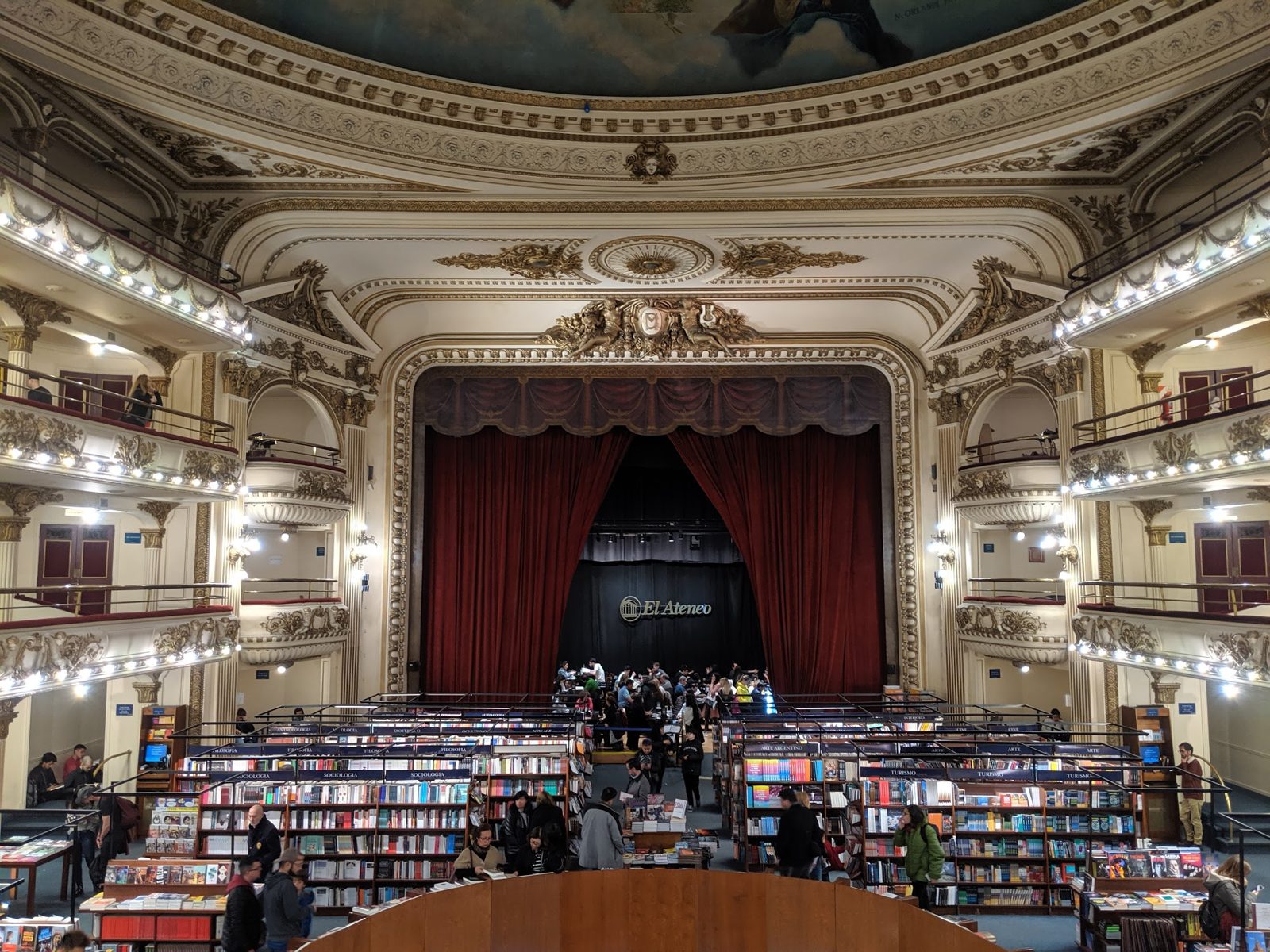
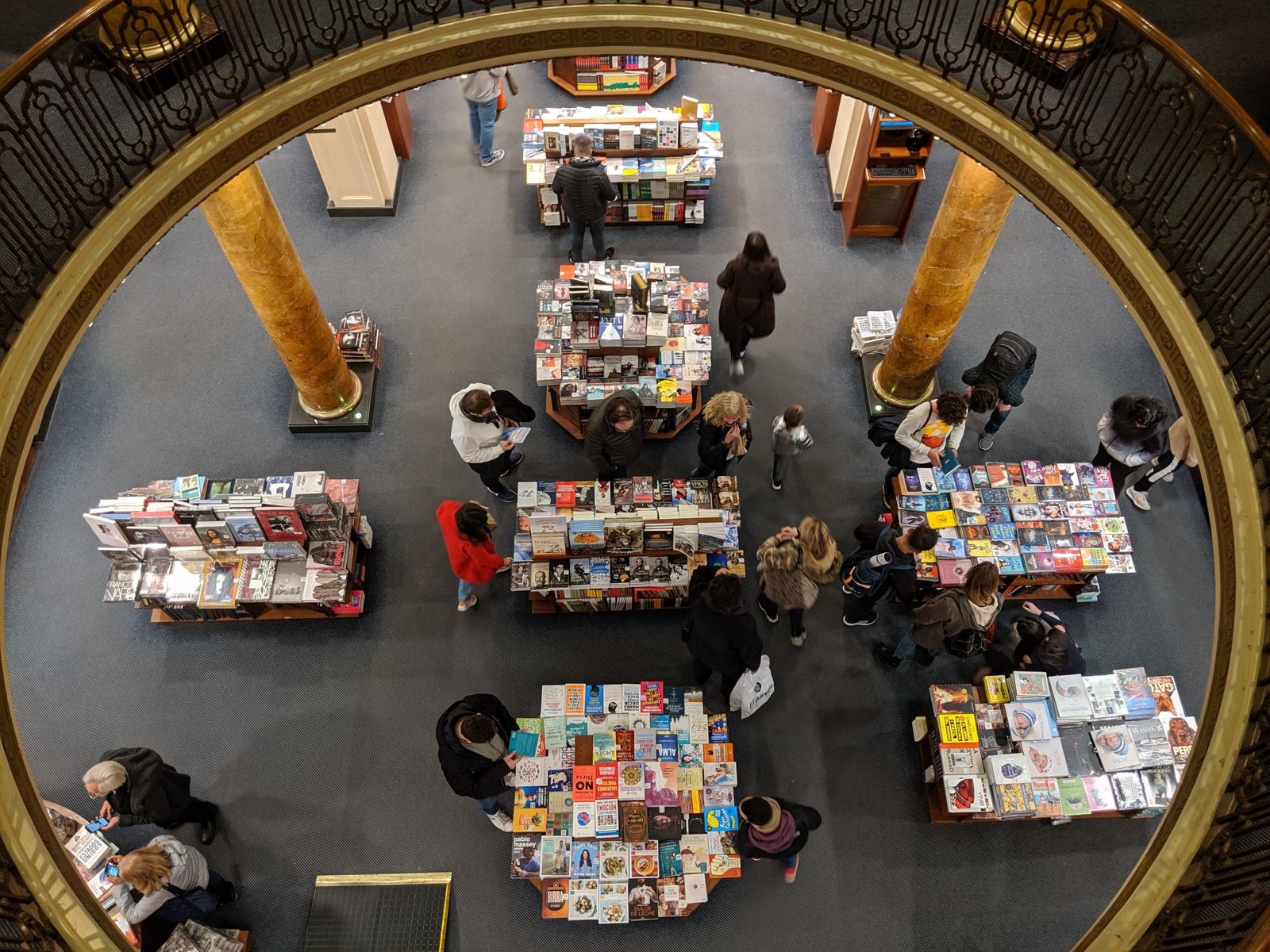
The Buenos Aires bookstore El Ateneo was wonderful. It’s said to be the second most beautiful bookstore in the world, and it was originally an opera house. I feel Japan could also do much more to combine historic, venerable architecture with globally shared topics.
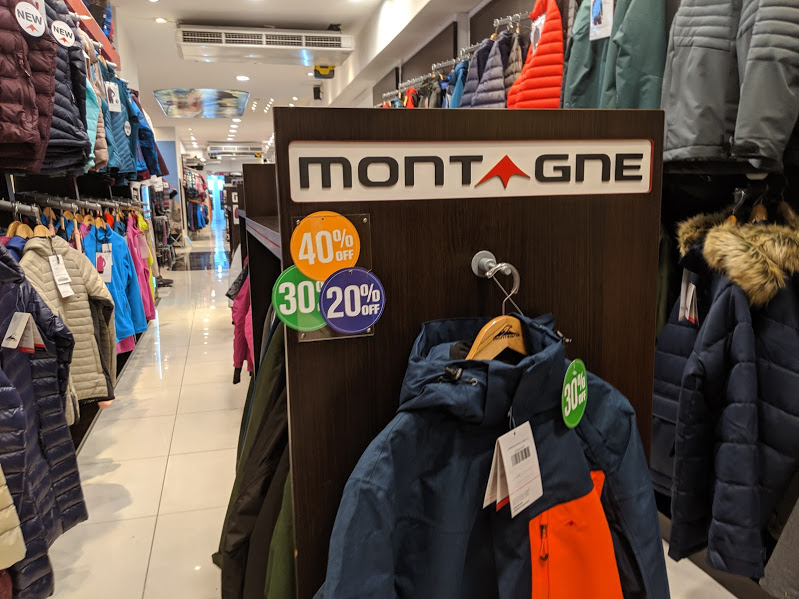
Inflation runs over 40% every year, and the sight of 30% off stickers on so many products was eerie.
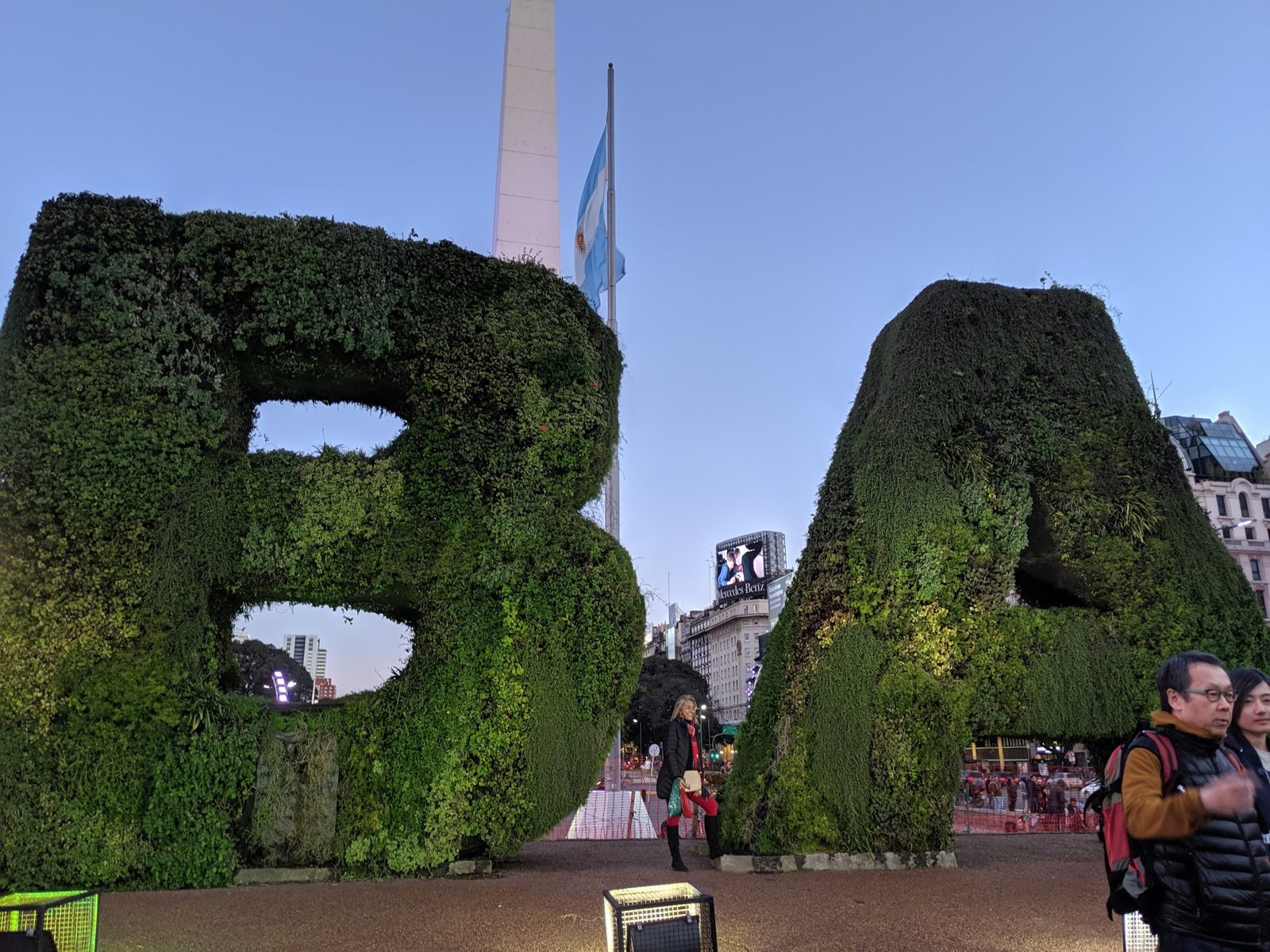
Buenos Aires means “good winds” in Spanish. This is the monument for it. It’s quite huge.
Variety in food matters for medium- to long-term stays
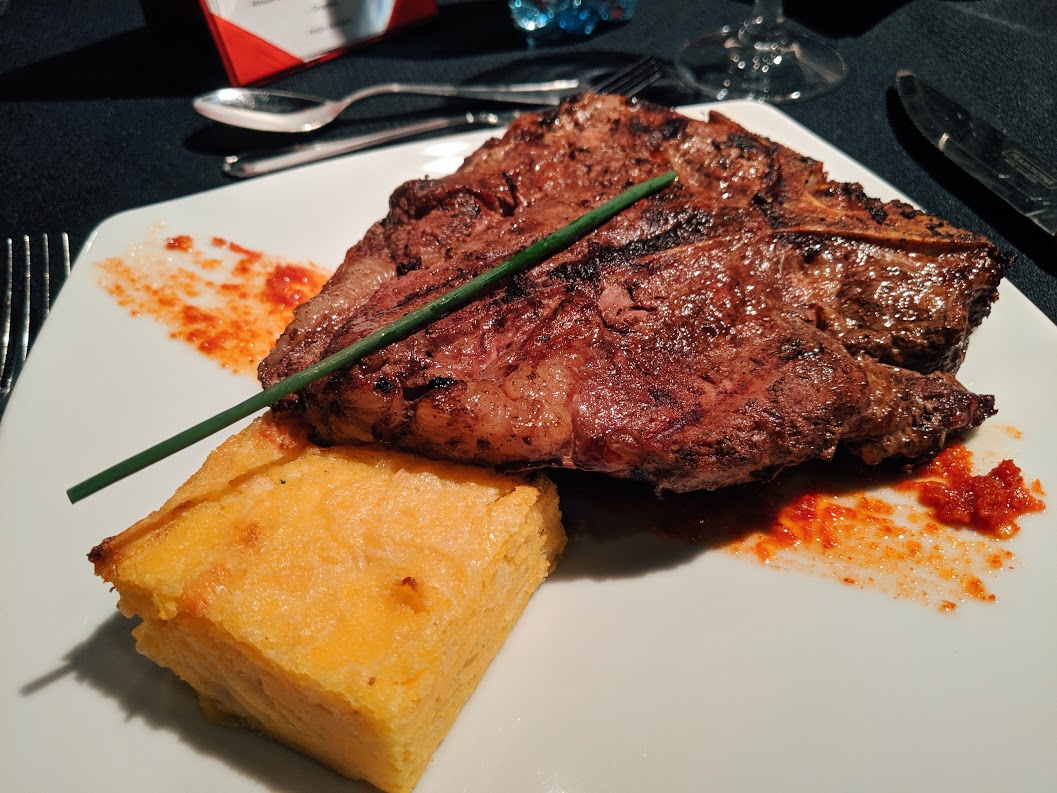
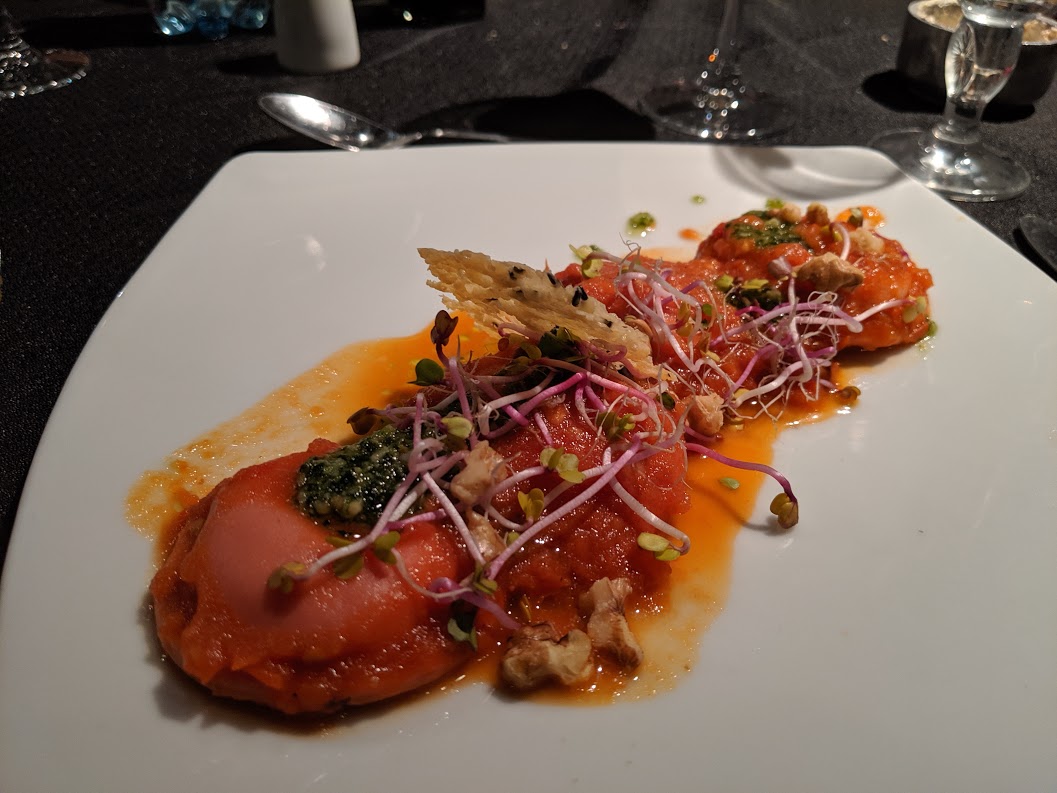
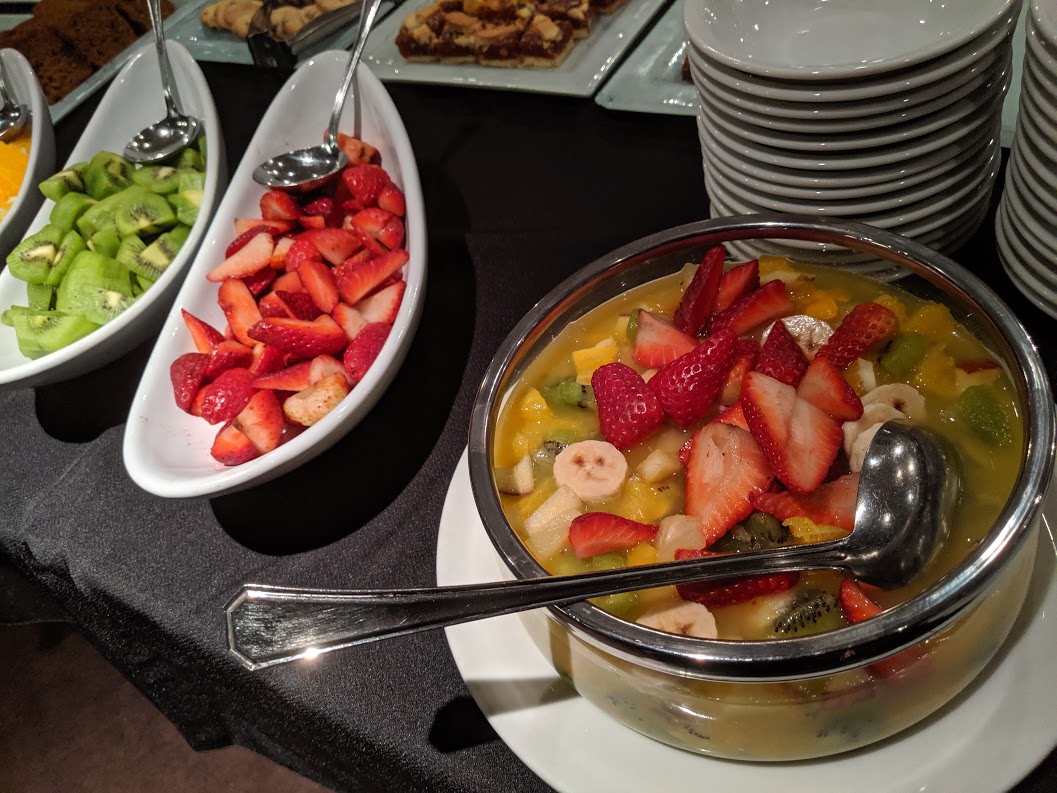
For meals, we ate meat, meat, and more meat. As the rumors say, the meat was delicious. Vegetables were scarce, and breakfast was all fruit. I feel like I ate a year’s worth of fruit on this trip.
But the lack of variety in food was personally the hardest part, and it made me appreciate the richness of Japanese food. For medium- to long-term stays, variety in food really matters. You get tired of eating the same thing. My body was craving natto and other fermented foods.
An Unintended Trip
An Unintended Trip is a trip that isn’t planned on purpose.
Usually I plan my trips myself, but this time, based on Mr. Hoshino’s requests, we used a local tour company to arrange lodging, transportation, and guides.
It cost quite a bit, but I was glad to experience a new way of enjoying travel. I let myself go with the flow, deliberately not looking closely at the detailed itinerary as we moved from place to place.
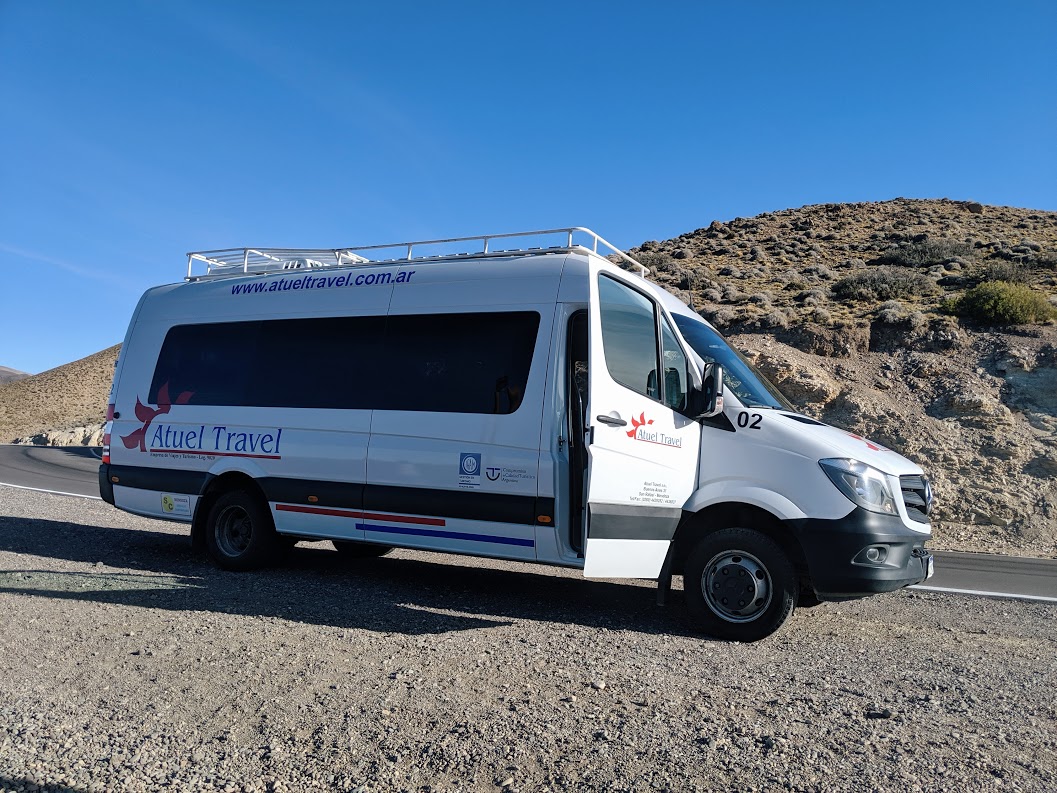
First, it was wonderful to have no stress about getting around. At a set time, a van-like larger vehicle would pick us up, and there were no transport troubles. Tickets were issued in advance, so there was no need to check in at the airport. They booked stylish lodgings, and the quality of the activity guides was very high too.
By the way, we were looked after by a Japanese company called BUNNNO TRAVEL. If you’re thinking of traveling in South America including Argentina, I highly recommend them. Mr. Furuhata, who looked after us, is a snowboarder, and he apparently decided to move to Argentina because of the meat.
The members were just so much fun
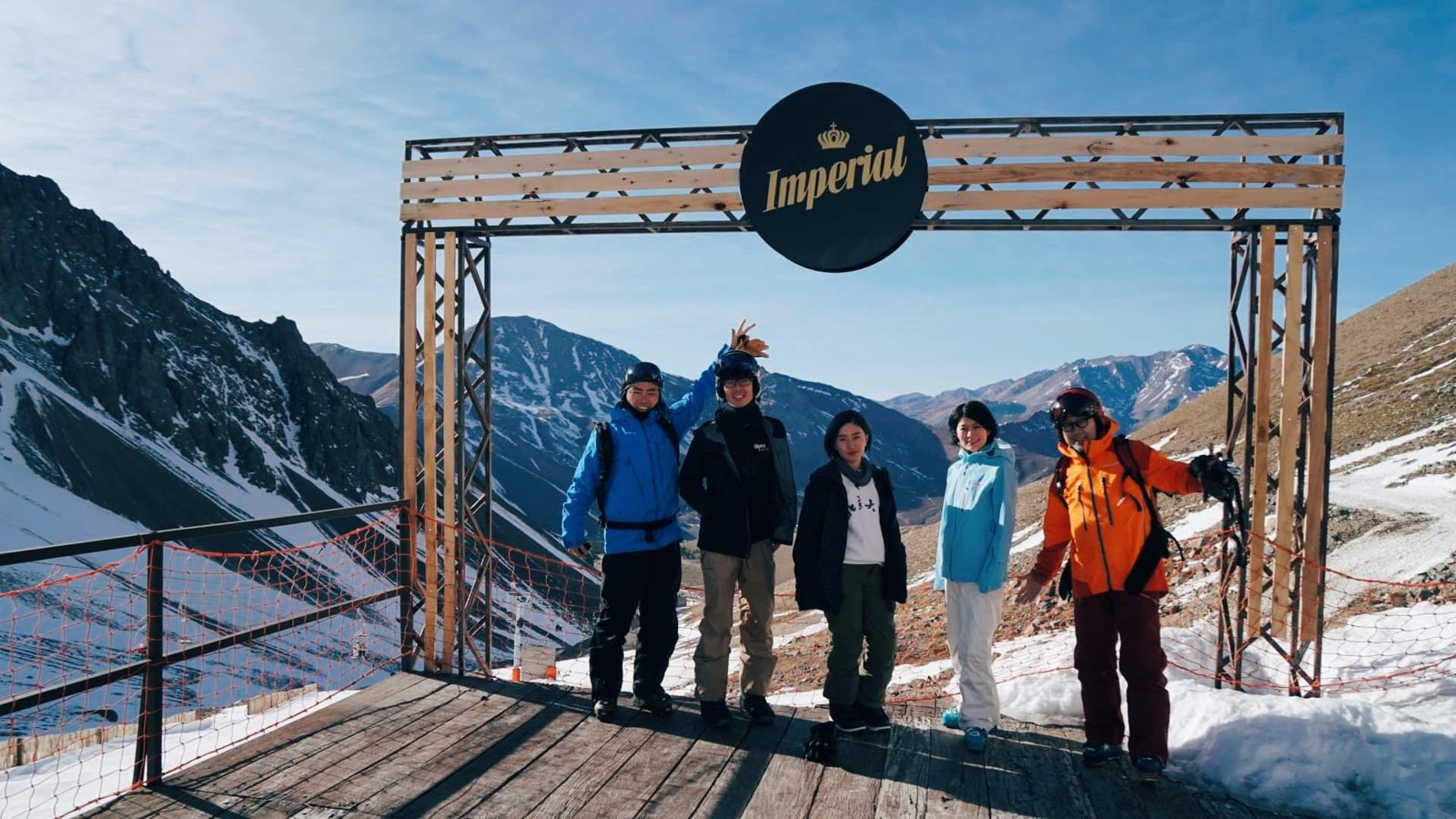
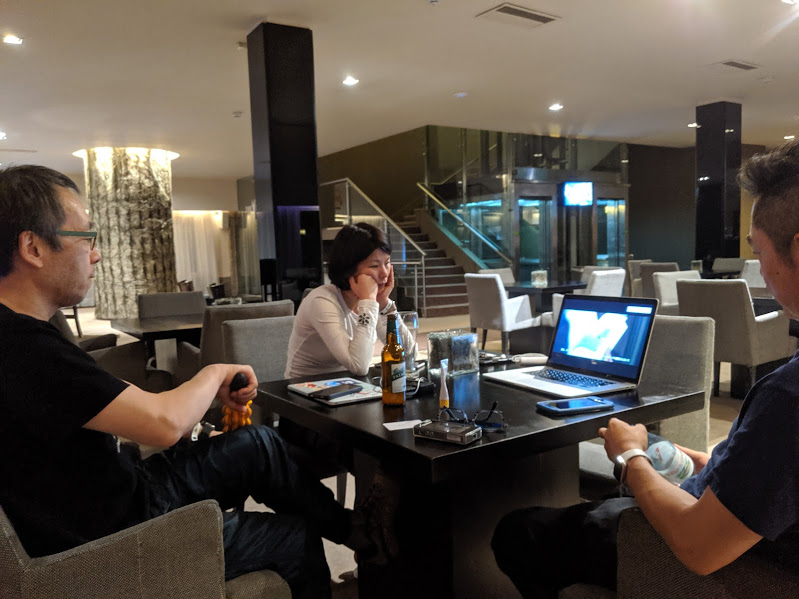
The members were just fantastic and so much fun. Five of us, from our 20s to our 50s, and we traveled together at a good distance from each other. I never felt tired out by socializing.
All five of us work in tourism, so for 24 hours a day, in a good way, work and private life blended. “I want to do this at our company,” “if we did this operation like this, it would get better,” and each conversation was great input. I have a lot of notes I can’t make public.
Also, during this trip I came up with a business idea I want to do at MATCHA, and the time spent discussing it and letting it mature with tourism professionals, led by Mr. Hoshino, was personally a real luxury. It’s a good idea, so I’ll work hard to make it happen.
A trip that touched new colors
It got quite long, but one last thing.
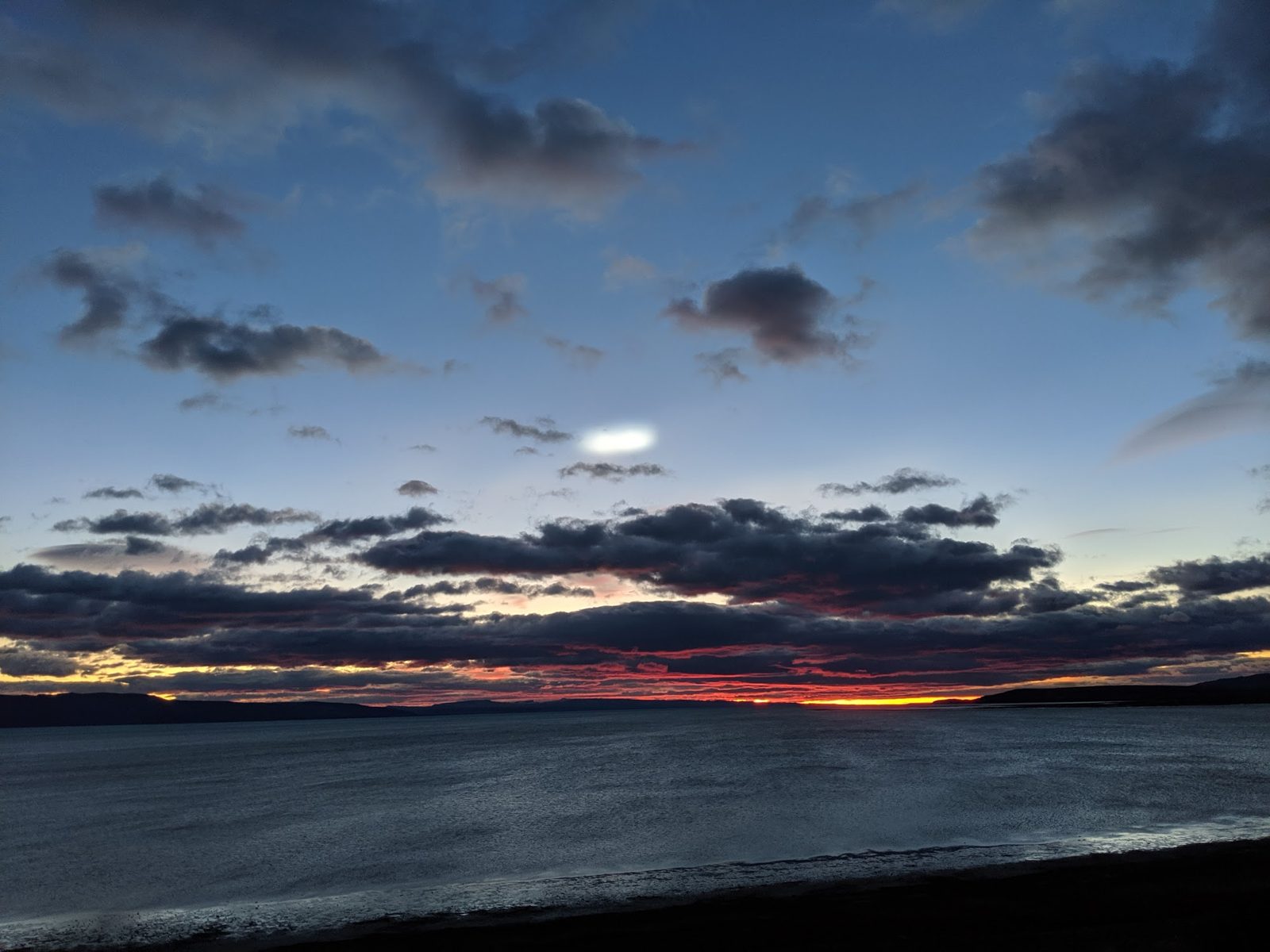
If I had to sum up this trip in a phrase, it was a trip where I touched many colors.
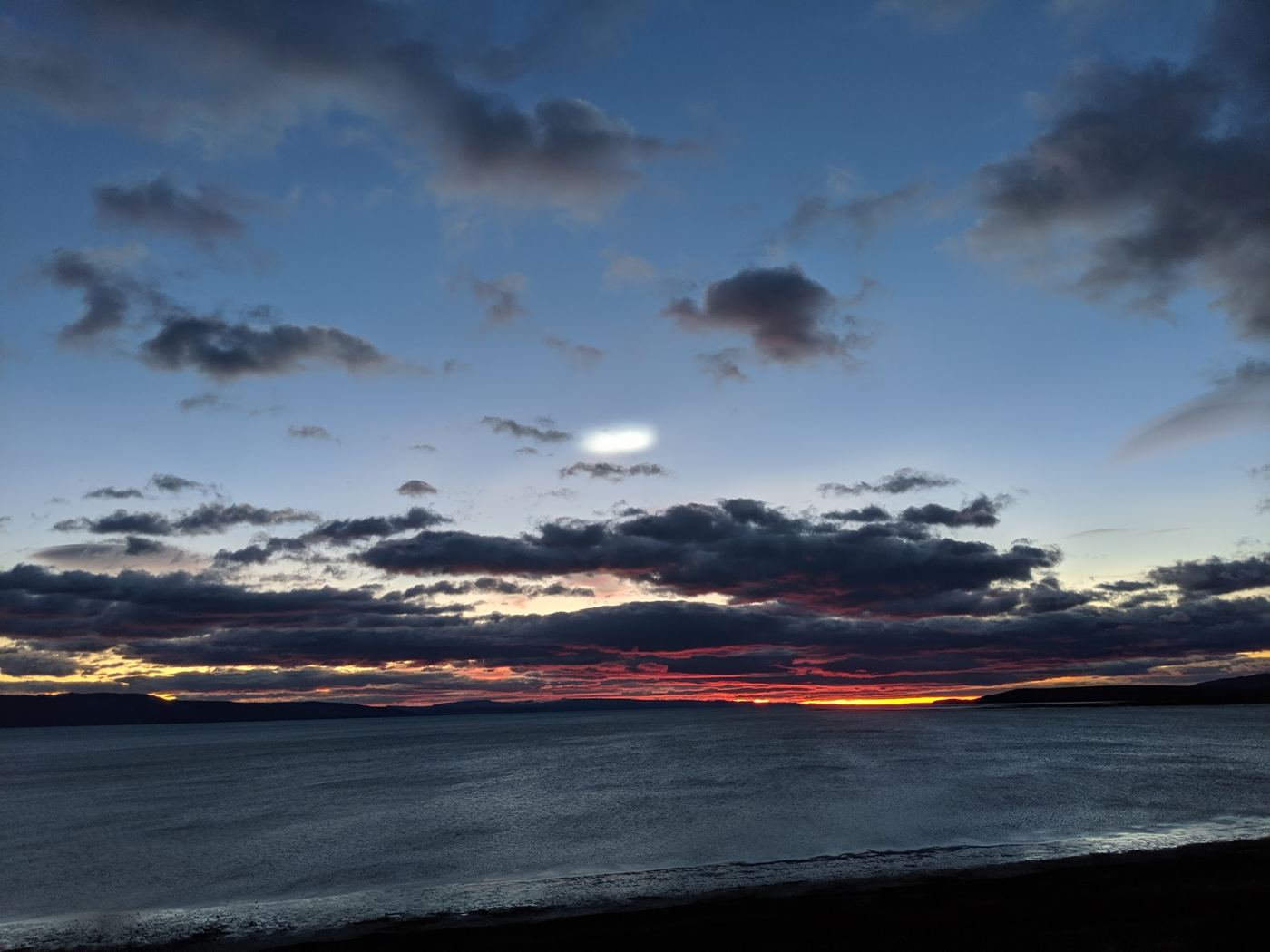
The blazing sunrise in El Calafate, the glacier blue that was frighteningly beautiful, the colorful streets of Buenos Aires: all were colors I experienced for the first time. The more new colors I touch, the easier it becomes to notice Japan’s colors too.
Work in tourism strongly reflects the influences I’ve received in my life, and that’s why it’s interesting. My desire to learn even more about Japan and share it with the world has grown stronger.
For the past three years, I’ve left Japan for about ten days every August, and I want to keep doing so.
Two years ago it was Mexico, last year New Zealand, and this year Argentina.
Where should I go next year?